Major Bin Collection Overhaul Begins in England: New Four-Bin System and Fines
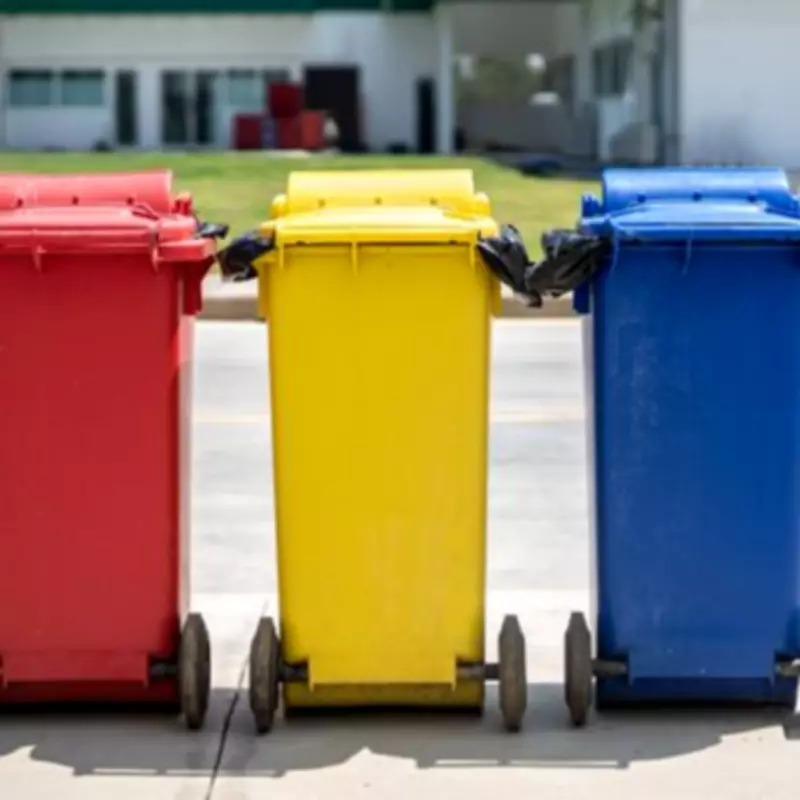
Households across England are set to encounter significant changes to their bin collection services starting from Tuesday, 31 March 2026. Under the new regulations, residents may need up to four separate bins or containers to segregate different types of waste, with potential fines of up to £400 for incorrect disposal. This initiative aims to streamline recycling processes and reduce contamination in waste streams.
New Mandatory Waste Categories
The UK Government has mandated that from 31 March 2026, waste collectors in England must collect the following categories separately from all households, including flats:
- Food and garden waste
- Paper and card
- All other dry recyclable materials, such as glass, metal, and plastic, including cartons
- Residual waste, which is non-recyclable waste sent for energy recovery or landfill
Additionally, from March 2027, councils will introduce a fifth bin specifically for soft plastics and films, including plastic bags, food sachets, and crisp wrappers. However, multi-layered pouches, like those for cat food, will still require recycling at specialist points.

The Simpler Recycling Scheme
The Department for Environment, Food and Rural Affairs has introduced the Simpler Recycling scheme to standardise recycling practices across England. This initiative seeks to eliminate the 'postcode lottery' by ensuring consistent collection of recyclable materials nationwide. According to the scheme, citizens will no longer need to check local recycling guidelines, as a universal standard will apply whether at home, work, or school.
Consumer champion Which? notes that the default bin setup will involve four containers initially, expanding to five from March 2027. This change is part of broader efforts to enhance recycling efficiency and environmental sustainability.
37 Items Banned from New Bins
To reduce confusion and improve recycling quality, the government has listed 37 items that local authorities are not required to collect. These should not be placed in the new recycling bins. Key examples include:
- Glass: Candles, drinking glasses, flat glass, glass cookware, light bulbs, mirrors, vases, window glass, and ceramics.
- Metal: Laminated foil, electrical items, batteries, kitchenware, kettles, irons, pipes, and metal packaging that contained hazardous substances.
- Plastic: Compostable or biodegradable plastics, plastic bottles with hazardous residues, bulky rigid plastics, polystyrene, and PVC packaging.
- Paper and Card: Fibre-based composite cartons, absorbent hygiene products, cotton wool, makeup pads, tissue, and wet wipes.
- Food and Garden Waste: Compostable plastics, animal bedding, bulky waste, garden tools, plant pots, plastic, sand, sawdust, stone, gravel, bricks, tea bags, coffee grounds, and oversized branches.
Residents are urged to consult their local council's guidelines, as some areas may already have schemes aligning with the new rules, minimising immediate disruptions. The separation of food and garden waste marks a significant shift, requiring households to adapt their disposal habits accordingly.