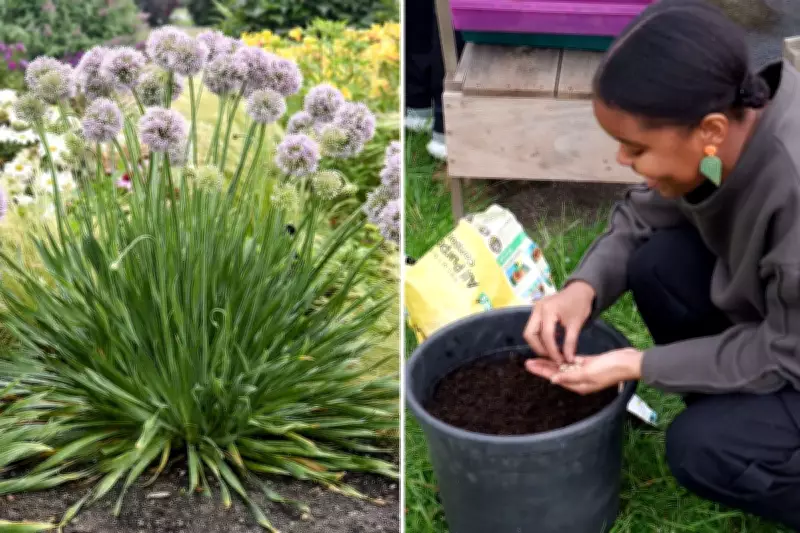
Spring has arrived, making it the ideal season to focus on your garden. Whether you are a novice or an experienced gardener, sowing seeds is a simple and fulfilling activity. However, achieving success depends on adhering to the seasonal planting schedule, which is why knowing exactly what to plant in April is crucial.
Why April is Key for Gardeners
"April is a busy time for gardeners, the temperatures are starting to warm up, and the light levels have increased," explains Dr Anton Rosenfeld, research manager at the charity Garden Organic. Chauntelle Lewis, founder of the sustainably-led initiative The Barefoot Planter, adds, "April is still a crucial planning, preparation and planting month in the edible gardening world."
With numerous options available at garden centres, it can feel overwhelming to know where to begin. To simplify this, we have consulted experts, including RHS chief horticulturist Guy Barter, to compile an essential guide on what to plant in April. This guide covers everything from ornamental blooms to homegrown edibles, ensuring your garden flourishes year-round.

Ornamental Plants for April
Arabis 'Little Treasure Deep Rose'
"April is peak time for alpine plants," says Guy Barter. He recommends Arabis 'little treasure deep rose', describing it as a creeping evergreen plant perfect for walls, raised beds, and containers. It produces masses of rose-pink flowers for weeks in spring.
Gladioli
Barter notes that while spring bulbs like daffodils and tulips are popular, summer bulbs are often overlooked. Gladioli are back in fashion and should be planted now for summer spikes of flowers and swordlike green leaves. For example, Gladiolus ruby can grow to 80cm with red, darker-centred flowers. Barter advises keeping some corms to plant in three weeks for staggered flowering.
Choisya × Dewitteana White Dazzler
Evergreen shrubs are highly useful for winter greenery and low maintenance, according to Barter. He suggests Choisya × dewitteana White Dazzler, which flowers in late spring and often again in late summer. The white flowers are sweetly scented, and the foliage has a pleasing aroma.
Penstemon
"Penstemon are, arguably, the best late summer flower, slug resistant and adored by insects," says Barter. Penstemon raven grows to 80cm tall, bearing deep purple bell-like flowers with red and white striped throats from July to September, especially if spent spikes are removed.
Allium ‘Bubble Bath’
Horticulturist Martyn Cox recommends Allium ‘bubble bath’ for April planting. Unlike most alliums that flower in late spring to early summer, this variety produces lavender-coloured pompom-like blooms from June until September.
Nasturtiums
Chauntelle Lewis praises nasturtiums as a multi-functional trailing edible flower. The entire plant is edible, from leaves for salads to flowers as garnishes and seeds for pickling. It also serves as a sacrificial pest deterrent, so inspect stems and leaves regularly.
Salvia ‘Amistad’
Cox highlights Salvia ‘amistad’ as a perennial that grows to 1.5m, producing pollinator-friendly dark purple flowers from early summer until autumn's first frosts.
Edible Plants for April
Kale
Dr Rosenfeld states that kale is flexible and can be sown anytime from April for harvests over summer and autumn. He prefers Red Russian kale for its pretty purple/green leaves, which are tasty raw in salads, and notes flat-leaf varieties attract fewer aphids and whitefly.
Glasshouse Cucumbers
Rosenfeld also recommends glasshouse cucumbers, such as the National Pickling variety, which yields small, crunchy cucumbers with more flavour than supermarket types.
Potatoes
Lewis calls potatoes a beginner-friendly choice, explaining that the vegetable itself is the seed. Chitting, or sprouting shoots from eyes, gives potatoes a head start before planting, though it can be skipped.
Lettuce
Rosenfeld suggests 'Marvel of 4 seasons' lettuce, a tasty butterhead variety with red and green leaves that does not bolt quickly in summer, making it suitable for year-round sowing.

Radish
Lewis advises sowing radishes directly in gaps as a fast-germinating option for intercropping, as their deep roots pair well with shallow-rooted vegetables. Succession sowing every two weeks ensures continuous harvests.
Onions
Onions and garlic have pungent scents that repel aphids and beetles, making them excellent additions to the garden, according to Lewis.
Beetroot ‘Chioggia’
Cox recommends 'Chioggia' beetroot for its pink roots with concentric pink and white rings when cut open, a variety developed near Venice in the early 19th century.
Strawberry ‘Toscana’
Cox also suggests Toscana strawberry, an everbearing plant that produces sweet berries from June to October and features dark pink flowers instead of the usual white ones.
After planting, enjoy your revitalised garden with comfortable outdoor furniture, such as bistro sets and sun loungers, to make the most of your green space.