Gardening Specialist Unveils Essential Mulch Selection Guidelines for Spring
Once spring weeding tasks are complete, mulching typically emerges as the next critical gardening duty. This involves spreading a protective layer around cherished plants in beds and borders, serving multiple purposes from weed suppression to moisture retention and soil enrichment. However, many gardeners face confusion when selecting the most appropriate mulch type for their specific needs.
The Critical Factor Most Gardeners Overlook
According to David Stanford-Beale, doctor of entomology at MAD (Make A Difference) Company, which develops organic, sustainable and peat-free growing media products, aesthetic appeal often outweighs practical considerations for most gardeners.
"Nine times out of ten, customers prioritize appearance over nearly everything else," Stanford-Beale explains. "They want something that simply looks attractive in their garden, similar to houseplant choices. Only one gardener in ten genuinely cares about ingredients, provenance, and what they're actually introducing to their garden."

He emphasizes that when shopping for mulch at garden centers, "the crucial step is reading the bag label, seeking origin information, and purchasing locally whenever possible."
Comprehensive Guide to Mulch Varieties
Compost: Nutrient-Rich but Potentially Costly
Whether homemade or store-bought, compost delivers essential nutrients to demanding plants such as roses and hostas while simultaneously maintaining weed control. Suitable for all soil types, it helps preserve moisture levels and enhances soil structure. However, the Royal Horticultural Society cautions against using compost around plants like lavender or salvias, which thrive in drier, less nutrient-rich conditions.
Additionally, certain composts may contain weed seedlings, requiring removal as they emerge. Stanford-Beale warns that covering substantial ground with purchased bagged compost for mulching purposes can prove remarkably expensive for those not producing their own.
Farmyard Manure: Exceptional Nutrient Density
This exceptionally nutrient-dense material excels at moisture retention while delivering abundant nourishment to soil in beds and borders, making it ideal for roses, shrubs and other demanding plants. It enriches and improves soil composition, with minimal risk of containing weed seedlings.
The critical consideration involves ensuring proper decomposition, as the RHS cautions that insufficiently decomposed manure risks scorching plants. If emitting odors or producing steam, further maturation is recommended before application.
Straw: Rapid Decomposition with Potassium Release
"Straw-based mulches are acceptable options," says Stanford-Beale. "They offer pleasant appearance and aroma, generating positive customer reactions. They decompose rapidly while releasing substantial potassium into the soil."
He notes straw mulch works well for raised beds or allotments in spring but cautions that younger plants and new seedlings shouldn't receive excessive potassium simultaneously. Problems typically arise only with consecutive yearly applications leading to buildup, but sensible usage generally prevents issues.
Bark: Ecosystem Stimulation and Moisture Control
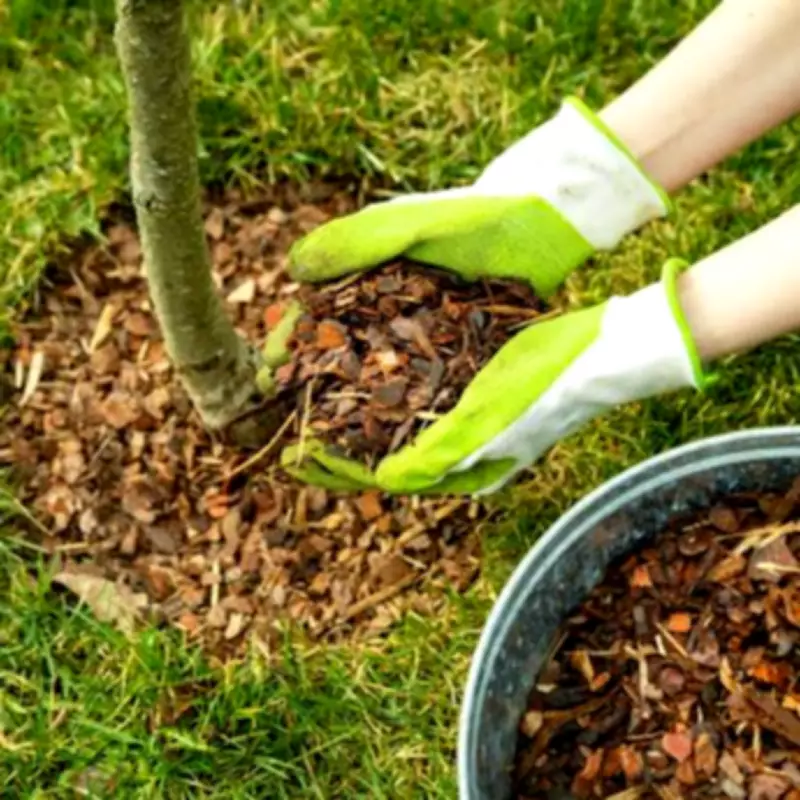
Many gardeners select bark chipping mulch throughout borders for weed suppression and moisture preservation, with Stanford-Beale highlighting additional advantages.
"Increased moisture reduces air circulation, creating slightly different soil cycles that encourage worms and burying insects to emerge through the mulch, facilitating natural recycling processes," he explains. "This mimics forest ecosystems where fallen leaves create natural mulch, stimulating surrounding ecosystems to draw nutrition downward."
He recommends applying bark mulch around tree bases while matching bark type to tree species—oak bark for oak trees, pine bark for pine trees. Checking packaging for UK origin and avoiding mulches containing treated timber is crucial, though determining this information isn't always straightforward.

"Irresponsible or improper labeling makes responsible customer choices difficult," Stanford-Beale warns, "though retailers like Crocus and Blue Diamond Garden Centres are improving by ensuring suppliers clearly label product composition and origins."
Non-Biodegradable Options: Long-Term Considerations
Slate, stone chippings, pebbles, shingle and ornamental glass in containers frequently serve as mulch to enhance border aesthetics while retaining moisture and suppressing weeds. However, Stanford-Beale highlights significant drawbacks.
"Slate and glass fragments can scatter onto grass and damage lawnmowers," he notes. "These materials persist indefinitely in garden beds, so selecting aesthetically pleasing options requires considering whether you'll appreciate them two decades later, as they'll remain present."
Optimal Mulch Depth Recommendations
For effective weed suppression without weed membrane usage, Stanford-Beale suggests "three inches of mulch depth." However, he clarifies that "any amount provides benefits, even minimal scattering contributes organic matter to soil improvement."
Proper mulch selection and application this spring can significantly enhance garden health, appearance and productivity while reducing maintenance requirements throughout the growing season.