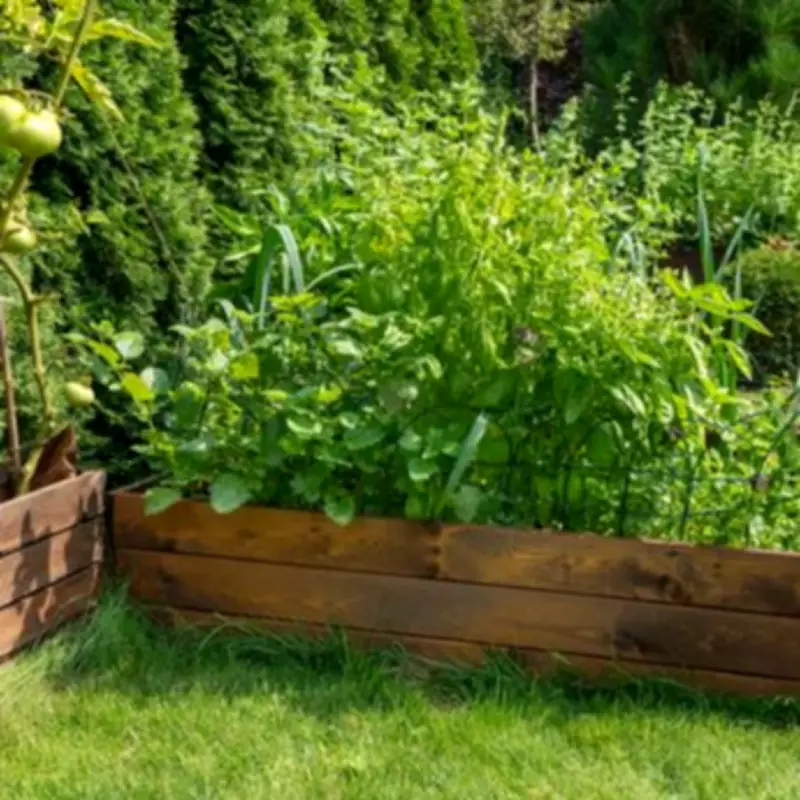
As milder spring temperatures approach, gardens across the country are poised to thrive once more after the colder winter months. With household expenses continuing to rise, cultivating your own produce presents a dual opportunity: not only can it substantially reduce your grocery spending, but it also offers a deeply rewarding and fulfilling pastime. However, a crucial caveat exists—not every crop will deliver meaningful savings, as certain varieties provide far superior value compared to others.
Understanding the Financial Dynamics of Home Gardening
Vince Braun, founder and CEO of HealthiStraw, a family-run Canadian business specialising in wheat straw products, emphasises that while home-grown food can indeed cut costs, it is not a guaranteed shortcut. He explains, "The return on investment depends heavily on what you choose to grow, how you set up your gardening space, and what specific outcomes you are hoping to achieve from the experience."
Many aspiring gardeners encounter financial pitfalls during the initial establishment phase. Starting a modest garden involves an upfront outlay for essential items such as containers or raised beds, basic gardening equipment, and quality compost. Additionally, ongoing expenses for pest management solutions and fertilisers can further inflate costs. It is not uncommon for individuals to spend over a hundred pounds before even cultivating their first plant.

Avoiding Common Overspending Mistakes
Vince highlights a frequent oversight: "People often become fixated on the cost of seed packets while neglecting all the ancillary expenses. The bed construction, soil amendments, and necessary tools—it all accumulates significantly. This reality should not deter anyone from gardening, but it underscores the importance of entering the endeavour with realistic financial expectations."
Nevertheless, for the appropriate crop selections, the initial investment can yield substantial dividends over time. By focusing on high-value varieties, gardeners can achieve genuine and consistent savings on their weekly food bills.
Top Five Crops for Optimal Financial Returns
Vince Braun specifically recommends five categories of produce that offer the best return on investment for home growers. These selections are not only expensive to purchase regularly from supermarkets but are also relatively easy to cultivate, even in limited spaces such as balconies or small patio gardens.
- Herbs: Varieties like basil, coriander, and parsley are notoriously pricey when bought fresh but thrive with minimal care in pots or window boxes.
- Salad Leaves: Mixed greens, spinach, and rocket grow quickly and can be harvested continuously, providing a steady supply for salads.
- Tomatoes: Cherry tomatoes, in particular, are prolific producers and far cheaper to grow than to buy, especially the organic versions.
- Peppers: Both sweet and chilli peppers are cost-effective to cultivate and can be used fresh or preserved for later use.
- Berries: Strawberries, raspberries, and blueberries represent high-value fruits that are expensive in shops but can be grown in containers or small plots.
Vince elaborates, "If you concentrate on growing basil, cherry tomatoes, and mixed greens, you will observe tangible savings almost immediately. These items command premium prices in stores yet are remarkably straightforward to cultivate in compact areas. That is precisely where you achieve the strongest return on your initial investment."
Additional Benefits Beyond Monetary Savings
Cultivating your own produce also dramatically reduces household food waste, generating further financial benefits. Gone are the days of discovering a forgotten bag of spinach turning mushy at the back of the refrigerator. When greens are thriving in your garden, you can simply harvest exactly the quantity you need, directly from the earth, ensuring freshness and minimising spoilage.

The economic advantages extend beyond direct crop savings. Home gardeners often find themselves making fewer impulsive fruit and vegetable purchases at supermarkets. When you are acutely aware of what is readily available in your own garden, you can shop more deliberately and intentionally, sparing both time and money during grocery trips. This mindful approach to consumption fosters greater budgetary control and promotes sustainable living practices.
Ultimately, by selecting the right crops and managing setup costs wisely, home gardening transforms from a mere hobby into a powerful strategy for slashing grocery bills, reducing waste, and enhancing self-sufficiency throughout the growing season.