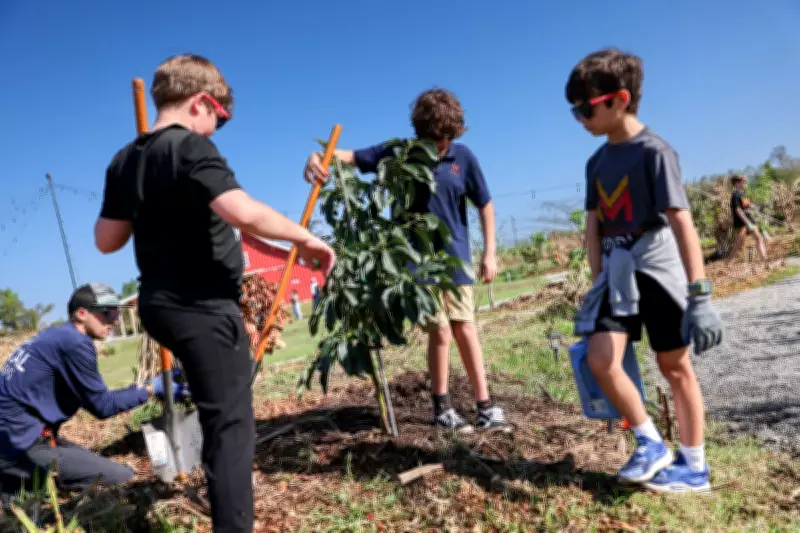
Florida's Urban Food Deserts Combat Hunger with Community Fruit Tree Planting
In Florida, a growing movement is tackling the issue of urban food deserts through community-led initiatives that plant fruit trees in underserved neighbourhoods. These efforts aim to improve access to fresh produce and combat hunger by transforming barren urban spaces into sources of nutritious food.
Addressing Nutritional Gaps in Underserved Areas
Food deserts, areas with limited access to affordable and healthy food options, are a significant problem in many parts of Florida. Residents in these zones often rely on convenience stores or fast-food outlets, leading to poor dietary habits and health issues. Community fruit tree planting projects seek to bridge this gap by providing free, locally grown fruits such as oranges, mangoes, and avocados.
Volunteers and local organisations are leading the charge, identifying suitable locations like parks, schools, and vacant lots for tree planting. These initiatives not only enhance food security but also foster community engagement and environmental sustainability. By involving residents in the planting and maintenance process, the projects build a sense of ownership and pride in the neighbourhood.

Benefits Beyond Nutrition
The impact of these fruit tree planting efforts extends beyond just improving access to fresh produce. They contribute to urban greening, reduce heat island effects, and support local ecosystems by providing habitats for wildlife. Additionally, the trees offer educational opportunities for children and adults alike, teaching valuable skills in gardening and nutrition.
Despite these benefits, challenges remain, including securing funding, ensuring long-term tree care, and navigating local regulations. However, advocates argue that the long-term advantages—such as reduced healthcare costs and stronger community bonds—outweigh these obstacles. As more communities adopt similar projects, Florida is setting an example for how grassroots actions can address systemic issues like food insecurity.
In conclusion, Florida's community fruit tree planting initiatives represent a proactive approach to combating food deserts. By leveraging local resources and volunteer efforts, these projects are making strides toward a healthier, more sustainable future for all residents.