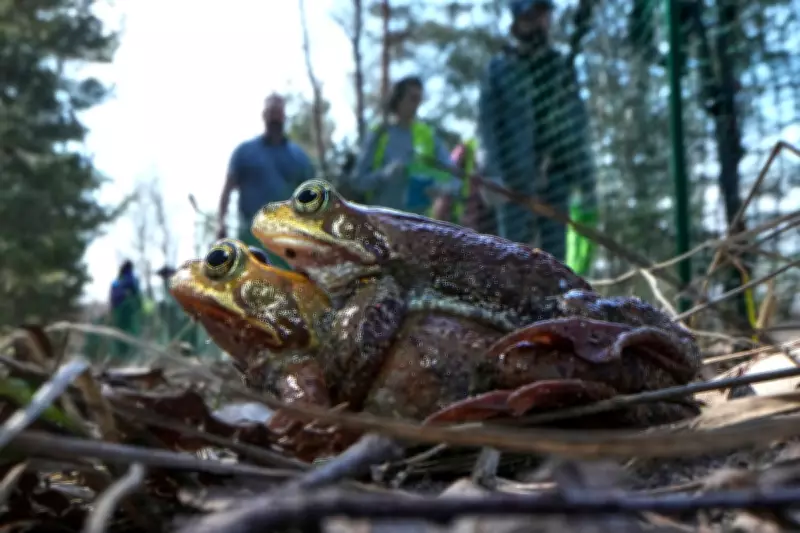
As winter transitions into spring, the celebrated poet Frieda Hughes has taken on an unexpected nocturnal role: assisting frogs and toads in their perilous journey across roads. Hughes, known for her literary works, now marks the seasonal change by participating in local toad patrols, dedicated to ensuring the safe migration of these amphibian road users to nearby ponds.
An Unforeseen Conservation Effort
"I didn't anticipate I'd be helping frogs to cross the road at night, but here we are," Hughes remarked, reflecting on her involvement. The initiative, which operates during the mild evenings leading up to March, sees volunteers like Hughes patrolling roads with torches and buckets to rescue amphibians at risk from vehicular traffic.
The Perils of Migration
During this period, frogs and toads are driven by a strong instinct to migrate from fields to ponds for breeding. The pull is so intense that they often venture onto tarmac roads, where their delicate skins face significant danger. Hughes describes the scene poetically: "It is not autumn, and those are not fallen leaves that litter the roads as you drive through the dark, but the little heartbeats of migrating frogs and toads."

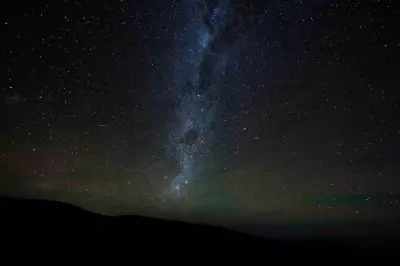
The moon's sharp light serves as a natural guidepost for their pathway to still water, yet it also illuminates the hazards they encounter. Upon spotting their shiny, bulldog-like forms on the move, Hughes springs into action, collecting them by torchlight to prevent casualties.
A Growing Cargo of Frog Songs
On a typical night, Hughes might gather ten, twenty, thirty-eight, or even forty amphibians, with the number increasing as the moon brightens in the mild pre-March skies. "The brighter the moon, the heavier my cargo," she notes, heaving with the frog songs of spring as she transports them safely home to her garden pond.
There, the air becomes packed with melodious croaks from a hundred throats, each contributing a single note to the chorus of renewal. This hands-on conservation work not only protects vulnerable species but also connects Hughes intimately with the rhythms of nature, turning a simple act of rescue into a profound seasonal ritual.