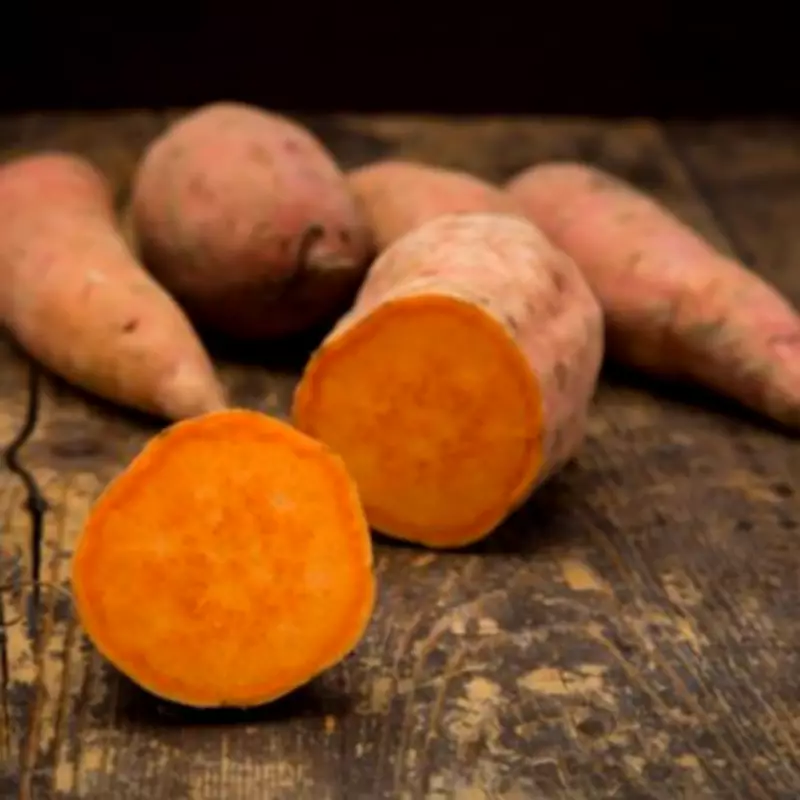
Stop Buying Sweet Potatoes: This March Gardening Task Will Save You a Fortune
Growing your own sweet potatoes from supermarket vegetables is far easier than many assume, and March presents the perfect window to initiate this straightforward gardening technique. This clever method, which has gained traction on social media, promises a continuous, cost-free supply of this versatile vegetable.
The Versatility of Sweet Potatoes
Sweet potatoes are remarkably adaptable vegetables. They can be employed in all the same culinary applications as regular potatoes, such as making chips, jacket potatoes, or creamy mash. Additionally, they excel in sweet dishes, serving as a base for cakes or brownies. If you typically keep a few sweet potatoes on hand for spontaneous meals, this hack ensures you never need to purchase them again.
The Simple Hack Revealed
In a recent TikTok video, gardener Simon Akeroyd demonstrated how to transform shop-bought sweet potatoes into a homegrown crop. March is identified as the ideal time to begin this process. The procedure is surprisingly uncomplicated.

According to Simon, you require a plastic container with drainage holes, similar to those used for berries or tomatoes. Fill it with peat-free compost and place two sweet potatoes inside. Position the container on a sunny windowsill. Soon, the potatoes will sprout shoots known as slips.
Once the slips appear, gently detach them from the potato and place them in a small jar of water. This encourages root development. After roots form, plant the slip in a pot filled with more peat-free compost.
Within approximately three months, your sweet potatoes will be ready for harvest. You can then utilise them in any recipe you desire. Moreover, you can repeat this cycle indefinitely, eliminating the need to buy sweet potatoes from supermarkets.
Public Reaction and Broader Cultivation Tips
Viewers of Simon's video expressed gratitude for the guidance, with many admitting they previously believed growing sweet potatoes was more challenging. One enthusiast commented, "I love your videos, I'm going to give this a go!" Another added, "I've already got some sweet potatoes on the go."
For those seeking a more comprehensive approach, here is a detailed guide to cultivating sweet potatoes:

- Obtain Sweet Potato Slips
- Purchase slips from a garden centre.
- Alternatively, create your own by placing a sweet potato in moist soil. After a few weeks, a sprout (slip) will emerge. When it reaches six to eight inches in length, twist it off and place it in water until roots develop.
- Prepare the Planting Site
- Timing: Plant slips after the last frost, when soil temperature is at least 18 degrees Celsius.
- Location: Select a sunny spot receiving six or more hours of sunlight daily.
- Soil: Opt for loose, well-draining sandy or loamy soil; avoid heavy clay.
- Bed Preparation: Form raised mounds or ridges eight to 12 inches high, spaced 12 to 18 inches apart.
- Planting
- Spacing: Plant slips 12–18 inches apart in rows three feet apart.
- Depth: Bury slips up to the top leaves, ensuring at least two nodes are underground.
- Water: Water thoroughly after planting.
- Care and Maintenance
- Watering: Maintain consistent soil moisture, especially initially and during dry spells. Reduce watering as harvest nears.
- Mulching: Apply mulch to retain moisture and suppress weeds.
- Fertilising: Sweet potatoes require minimal fertiliser; excess nitrogen promotes vine growth over tubers. Use balanced or low-nitrogen fertiliser if necessary.
- Weeding: Weed regularly, particularly early in the season.
- Harvesting
- Time: Sweet potatoes typically mature between 90 and 120 days after planting, indicated by yellowing leaves.
- Method: Gently dig up tubers with a fork to avoid bruising.
- Curing: Cure sweet potatoes in a warm (27–29 degrees Celsius), humid environment for seven to 10 days to enhance flavour and storage longevity.
This gardening hack not only saves money but also provides a rewarding, sustainable way to enjoy sweet potatoes year-round. By starting in March, you can harness the optimal growing conditions and enjoy a bountiful harvest by summer.