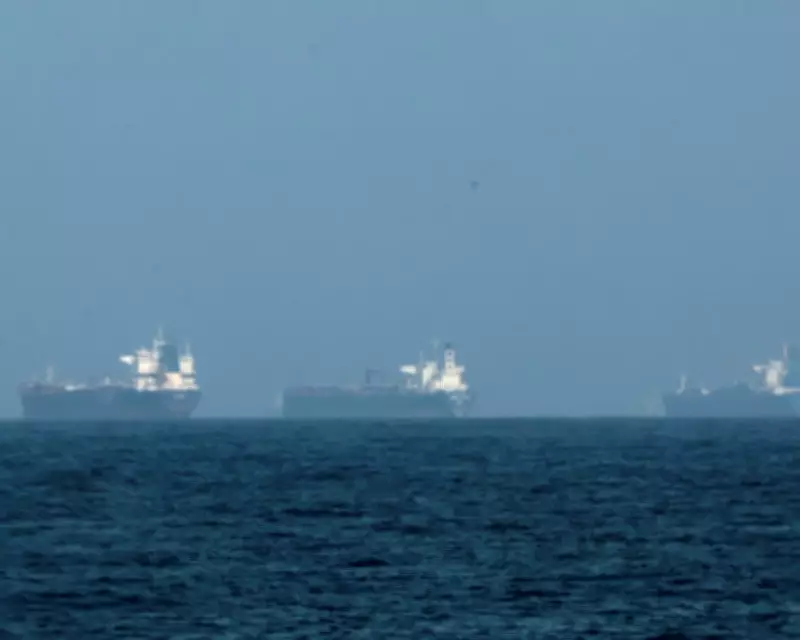
Gulf Shipping Crisis Poses Major Threat to UK Food Prices and Farmers
The ongoing shipping crisis in the Gulf region is emerging as a significant burden for UK farmers, with experts warning of potential food price shocks that could impact consumers nationwide. This disruption in maritime logistics is causing delays and increased costs in the import and export of agricultural goods, threatening the stability of the UK's food supply chain.
Impact on Agricultural Supply Chains
Farmers across the United Kingdom are facing heightened pressures as the Gulf shipping crisis disrupts the flow of essential inputs and outputs. Key agricultural products, including fertilizers, seeds, and machinery parts, are experiencing shipment delays, leading to operational challenges and rising expenses. Additionally, exports of UK-grown produce to international markets are being hampered, reducing revenue streams for farmers and potentially affecting local economies.
The crisis is exacerbating existing vulnerabilities in the food system, with analysts predicting that prolonged disruptions could result in shortages and higher prices for staple items in supermarkets. This situation is particularly concerning given the UK's reliance on imported goods for certain food categories, making the agricultural sector highly sensitive to global shipping issues.

Potential Consequences for Consumers and the Economy
If the Gulf shipping crisis persists, consumers may face noticeable increases in food prices, adding to the cost-of-living pressures already affecting many households. The potential for a food price shock looms large, with economists highlighting the risk of inflation in the grocery sector. This could lead to reduced purchasing power and altered consumption patterns, further straining household budgets.
Industry leaders are calling for urgent measures to mitigate the impact, including exploring alternative shipping routes and enhancing domestic production capabilities. However, such solutions may require time and investment, leaving farmers and consumers vulnerable in the short term. The crisis underscores the interconnectedness of global trade and the need for resilient supply chains to safeguard food security.
Broader Implications for UK Agriculture
Beyond immediate price concerns, the Gulf shipping crisis highlights broader challenges in UK agriculture, such as dependency on international logistics and the effects of geopolitical tensions on trade. Farmers are urging policymakers to provide support through subsidies, infrastructure improvements, and trade agreements that can buffer against future disruptions.
In summary, the Gulf shipping crisis represents a critical threat to UK farmers and food prices, with potential ripple effects across the economy. Proactive strategies and collaborative efforts are essential to navigate this challenging period and ensure a stable food supply for the nation.