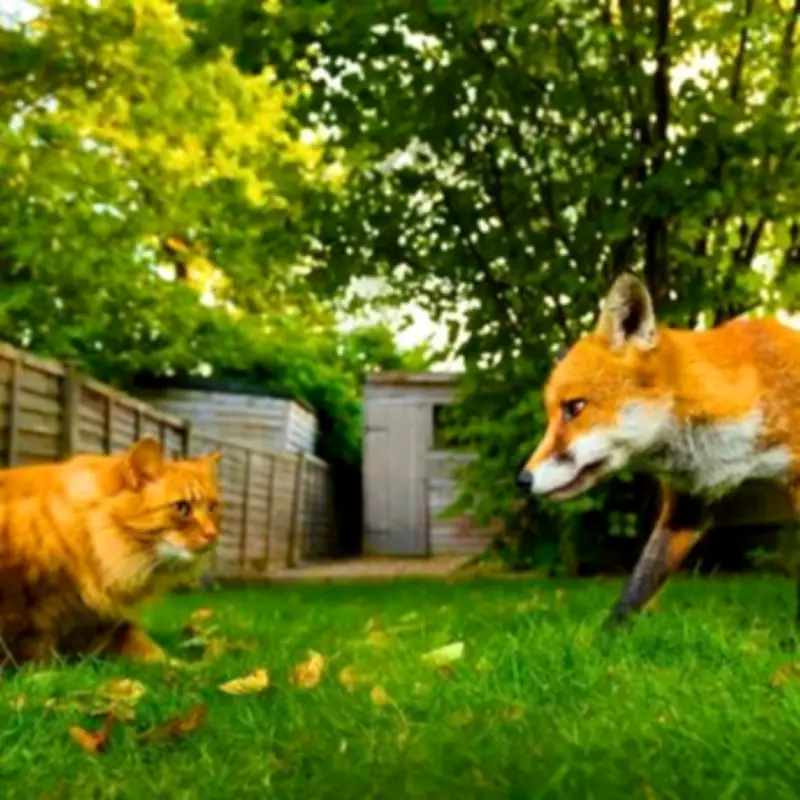
Natural Herbal Solution Effectively Repels Cats and Foxes from Gardens
Gardeners facing the persistent nuisance of cats and foxes digging up flowerbeds and contaminating crops now have a surprisingly simple and humane solution at their fingertips. A homemade herbal spray, crafted from common kitchen ingredients, has proven remarkably effective in deterring these urban animals without resorting to loud noises or commercial devices that often fail due to the creatures' familiarity with humans.
Why Traditional Deterrents Fall Short Against Urban Wildlife
Cats and foxes have become so accustomed to human environments that conventional scare tactics like sudden noises rarely unsettle them. These animals roam streets and gardens with increasing confidence, particularly during spring when freshly turned soil and emerging bulbs present irresistible digging opportunities. Beyond the horticultural damage, their territorial marking behaviors create pungent odors and can render edible crops like tomatoes unsafe for consumption.
Alessandro Vitale, an organic gardener and founder of Spicy Moustache, has spent years experimenting with various remedies on London's streets. "After dealing with foxes for years, I've learned that plants with strong smells are ideal for keeping them away from your garden," Vitale explains, highlighting how his extensive trial-and-error process led to discovering this natural solution.

How Herbal Scents Overwhelm Animal Senses
The effectiveness of herbal deterrents lies in exploiting the extraordinary olfactory sensitivity of both cats and foxes. These animals rely heavily on their sense of smell to navigate their environment and detect potential threats. When confronted with unfamiliar, potent herbal aromas, their sensory systems become overwhelmed, triggering avoidance behaviors rather than curiosity.
The compounds found in certain herbs and pungent vegetables create such intense sensory experiences that they can cause:
- Nasal irritation and discomfort
- Watering eyes and temporary disorientation
- An instinctive retreat from the area
Additionally, the herbal spray masks the natural scents that initially attract foxes and cats to gardens, making the treated areas far less appealing than alternative locations with more familiar, comforting aromas.
Creating Your Own Herbal Deterrent Spray
Preparing this humane garden protector requires minimal effort and common household items. The process is straightforward and yields a solution that can be reapplied as needed throughout the gardening season.
Required ingredients include:
- Fresh basil leaves (preferably from living plants)
- Geranium leaves
- Sage leaves
- Four garlic cloves
- Optional onion (for enhanced potency)
- Water
- Empty spray bottle
Preparation method:
Begin by heating water in a saucepan until it reaches a gentle simmer. Finely chop the fresh herb leaves—ensuring they come from living plants for maximum potency—before adding them to the water. Chop the garlic cloves (and optional onion) and incorporate them into the mixture. Reduce the heat to low, cover with a lid, and allow the ingredients to infuse for approximately thirty minutes.
Once cooled completely, strain the liquid to remove solid particles. Transfer the herbal infusion into a spray bottle and apply generously to garden areas requiring protection. The remaining solid materials can be scattered along fences, near gates, or around potential entry points where animals might access your property.
Maintaining Garden Protection Throughout the Season
For consistent results, reapply the herbal solution weekly or following significant rainfall. Regular application ensures that the deterrent scent remains potent enough to discourage curious cats and determined foxes. Gardeners who implement this strategy consistently report noticeable reductions in animal intrusions, with many experiencing complete cessation of digging and marking behaviors within treated areas.

This natural approach not only protects precious plants and edible crops but does so without harming the animals or introducing harsh chemicals into the garden ecosystem. As urban wildlife populations continue to adapt to human environments, such humane, effective solutions become increasingly valuable for maintaining harmonious coexistence between gardeners and their furry neighbors.