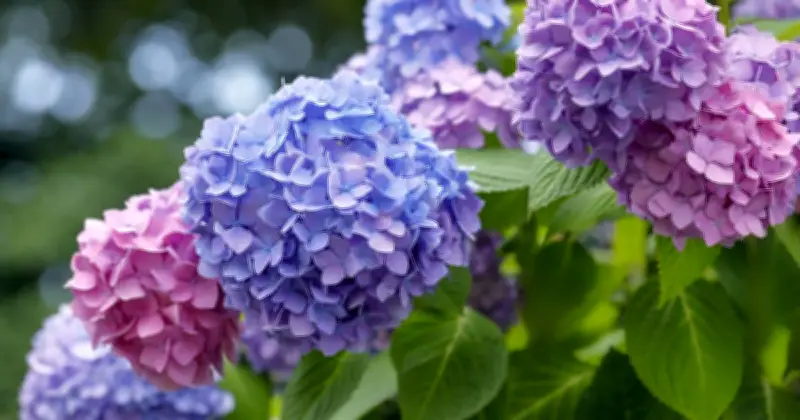
Hydrangeas are popular garden shrubs known for their long blooming season from summer into autumn, producing flowers in shades of pink, white, or blue. Gardeners can even change the colour of the blooms using a simple fertiliser trick: coffee grounds can turn flowers bright blue and improve soil acidity. However, to maximise the flowering period, experts recommend three essential tasks: watering, deadheading, and feeding.
Watering: Keep Soil Moist but Well-Drained
According to the Royal Horticultural Society (RHS), hydrangeas prefer moist, well-drained soil that is not prone to waterlogging. The experts advise: “Improving the soil and mulch with organic matter, such as garden compost or a manure-based soil conditioner, will help to keep them moist.” Planting hydrangeas in sun or slight shade in a sheltered spot away from cold winds also helps them bloom longer. During summer, gardeners may need to water in the morning and evening, but it is important to check the soil first to avoid overwatering.
Deadheading: Remove Spent Flowers for More Blooms
Deadheading is crucial to extend the blooming period. The process involves removing faded or spent flower heads to “encourage more blooms,” according to the RHS. Removing spent flowers also maintains the plant’s overall health and appearance. To deadhead, identify flowers that have faded or turned brown, then pinch them off with your thumb and index finger to encourage new, healthy buds. Pruning should be done in late winter or early spring, depending on the variety, but deadheading is a summer job.

Feeding: Balanced Fertiliser and Coffee Grounds
Hydrangeas benefit from fertilising, especially when planted in spring, with a balanced granular feed. For specific soil conditions to influence flower colour, specialised acidifying or alkaline feeds, such as coffee grounds, can be used. Gardeners should always follow the manufacturer’s instructions for application rate and frequency to get the best results. While fertilising and pruning should be avoided during hot weather, regular feeding throughout the growing season supports prolonged blooming.