Iran Conflict Fuels Fertilizer Crisis for US Agriculture
American farmers are confronting a severe financial strain as the war in Iran disrupts global fertilizer supplies, sending prices skyrocketing just before the critical spring planting season. Across the nation, agricultural producers are bracing for significantly higher costs and potential shortages that could jeopardize crop yields and profitability.
Farmers Grapple with Soaring Input Costs
Todd Littleton, a third-generation farmer from Gibson County, Tennessee, anticipates his fertilizer bill will surge by approximately forty percent this season, translating to an additional $100,000 in expenses. Growing corn, soybeans, and wheat, Littleton exemplifies the widespread anxiety gripping the agricultural community.
"We're so strained financially coming into this issue," Littleton explained. "We have had a couple of record losses the last couple years, so everyone's kinda grabbing at straws anyway, and then to have input prices increase yet again, it just really couldn't happen at a worse time."

Supply Chain Disruptions from the Middle East
The conflict, which escalated with U.S. and Israeli attacks on Iran in late February, has severely hampered shipping through the Strait of Hormuz. This vital maritime corridor handles twenty percent of global oil and natural gas shipments, both crucial for fertilizer production. The disruption has curtailed exports of nitrogen fertilizers manufactured in the Persian Gulf and limited access to essential ingredients.
According to the American Farm Bureau Federation, approximately fifteen percent of U.S. fertilizer imports originate from the Middle East. The region supplies about half of the world's urea and thirty percent of ammonia, key components in agricultural fertilizers.
"When the ports started raising their nitrogen prices due to the conflict due to shipping concerns, that directly affects me here on the farm," Littleton noted.
Potential Shortages Loom for Spring Planting
The situation extends beyond mere price increases. Zippy Duvall, president of the American Farm Bureau Federation, warned that some farmers who haven't pre-ordered and paid for their fertilizer may struggle to obtain it at any price.
"We're being told that many of our farmers that haven't preordered their fertilizer and paid for it may not even obtain the fertilizer that they're going to need during the season or for spring planting," Duvall stated. "That's why this situation is so serious."
Harry Ott, a cotton, corn, and peanut farmer leading the South Carolina farm bureau, highlighted insufficient stockpiles in warehouses to meet upcoming demand. "It is a really dire situation that our farmers facing," Ott emphasized.
Experts Predict Prolonged Market Turbulence
Jacqui Fatka, a farm supply economist at CoBank, cautioned that even if the Iran conflict were resolved swiftly, fertilizer prices are unlikely to decline quickly. The current crisis exacerbates pre-existing supply issues stemming from the Ukraine-Russia war and China's reduction in phosphate exports.
"There's going to be a tail to this to get everything turned back on, sent back out," Fatka remarked.
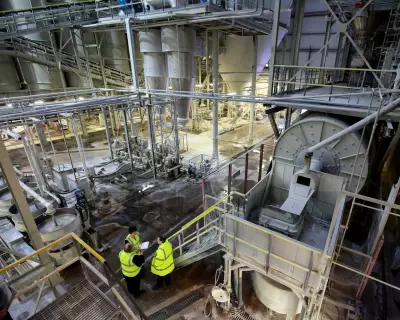
Shipping delays compound the problem, with Middle Eastern shipments typically requiring thirty to forty-five days to reach U.S. ports like New Orleans. While some domestic fertilizer reserves exist, they may prove inadequate if imports remain constrained.
Nancy Martinez, director of public policy for the National Corn Growers Association, acknowledged the uncertainty: "We don't quite know how it's going to shake out."
Domestic Production Offers Limited Relief
Although nitrogen- and phosphate-based fertilizers are largely produced within the United States, this provides only partial insulation from global market pressures. Anne Villamil, an economics professor at the University of Iowa, explained that rising energy costs directly impact domestic production expenses.
"But again, energy prices are an input, and so even if you're producing it in the U.S., if the cost of your inputs goes up, then it's going to be an increase in price to the farmers who want to buy it," Villamil said.

Broader Economic Implications
Chad Hart, an economics professor at Iowa State University, noted that soaring oil prices could indirectly elevate food costs through increased transportation and packaging expenses. However, he clarified that fertilizer price hikes alone are unlikely to significantly impact supermarket prices, as on-farm costs constitute a minor portion of consumer food expenditures.
Nevertheless, the financial squeeze on farmers is acute. Tom Waters, who cultivates five thousand acres of corn, soybeans, and wheat near Kansas City, described the challenge of maintaining profitability amid rising costs and stagnant crop prices.
"The margins get smaller and smaller so we just have to really work hard to trim our costs and be as frugal as we can be but still provide the soil and crop what it needs to grow and produce," Waters said.
Government Response and Industry Outlook
The Trump administration has announced measures to mitigate the crisis, including efforts to boost fertilizer imports from Venezuela. U.S. Agriculture Secretary Brooke Rollins characterized this move as "a huge step that puts farm security and farmers first."
The Department of Agriculture has also highlighted over thirty billion dollars in aid provided to farmers since January 2025, alongside twelve billion dollars in one-time payments to offset losses primarily from tariffs. However, Fatka pointed out that the latter equates to only forty-four dollars per corn acre, far below the estimated nine hundred dollars per acre production cost.
Despite these challenges, farm bankruptcies remain relatively rare, with just three hundred fifteen filings last year among nearly 1.9 million farms nationwide. Prices for major crops like corn and soybeans have shown recent increases, offering a glimmer of hope for beleaguered producers navigating this unprecedented fertilizer crisis.