Maine Lobster Industry Faces Sustained Decline Amid Economic and Environmental Pressures
For the fourth year in a row, Maine's iconic lobster catch has experienced a significant decline, according to state fishing regulators. The industry is contending with a perfect storm of soaring business costs, persistent inflation, and profound changes in ocean conditions that are reshaping this vital economic and cultural sector.
Steep Decline in Harvest Figures
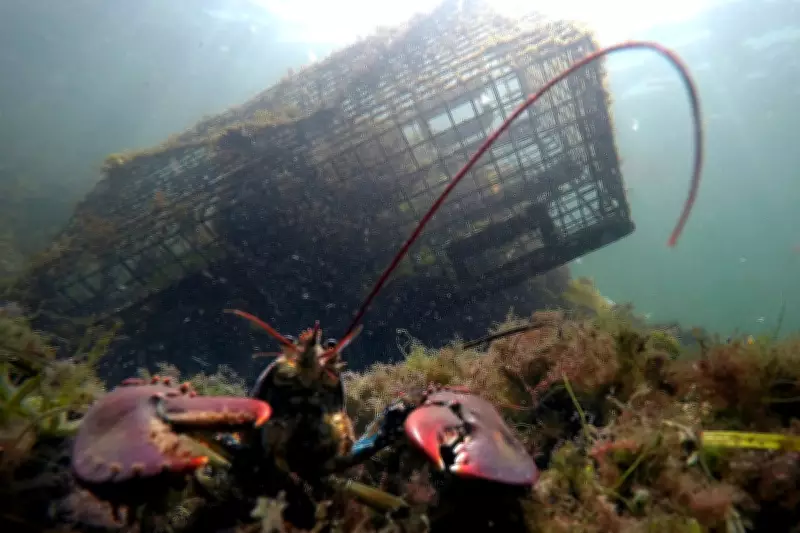
The 2025 lobster haul reached just 78.8 million pounds (35.7 million kilograms), marking a dramatic decrease from the more than 110 million pounds (49.9 million kilograms) recorded in 2021. This represents the lowest annual total since 2008, continuing an uninterrupted downward trend that began four years ago.
Carl Wilson, commissioner of the Maine Department of Marine Resources, highlighted that inflation severely impacted the industry throughout last year. There were more than 21,000 fewer fishing trips compared to 2024, contributing to a harvest decline exceeding eight million pounds and a corresponding decrease in overall value of more than $75 million.

Climate Change and Ocean Warming
Scientists point to warming ocean temperatures as a primary driver behind the declining lobster populations. As waters heat up, lobsters are migrating northward to cooler Canadian waters, following a pattern previously observed in southern New England fisheries that regulators have declared depleted for years.
The Atlantic States Marine Fisheries Commission has reported "rapid decline in abundance in recent years" in key lobster habitats and has officially declared the species to be experiencing overfishing. Environmental organizations are consequently advocating for stricter fishery regulations, though some industry members argue that existing conservation measures already impose significant restrictions on fishermen.
Economic Challenges and Market Pressures
Beyond environmental factors, the lobster industry faces substantial economic headwinds. Market uncertainty stemming from international tariffs, combined with a delayed start to the peak fishing season, has compounded difficulties for fishermen already struggling with elevated operational costs.
John Drouin, a fisherman operating out of Cutler, described last season as "not a very profitable season" despite high consumer prices, citing the exorbitant cost of essentials like fuel and fishing gear. The overall catch value, while still substantial at more than $461 million last year, represents a notable drop from the frequently exceeding $500 million annual dockside values seen in better years.
Historical Context and Industry Resilience
Despite the recent declines, last year's catch remains relatively high compared to historical averages. Throughout the 2000s, typical annual hauls ranged between 50 million and 70 million pounds (approximately 23 million to 32 million kilograms), with even lower figures in the preceding decade.
The industry experienced a remarkable boom during the 2010s, with annual catches consistently surpassing 100 million pounds (45 million kilograms) and peaking at over 132 million pounds (60 million kilograms) in 2016. This golden era now contrasts sharply with current challenges.
Pricing Dynamics and Consumer Impact
Lobsters remain available in restaurants and seafood markets, though consumers face elevated prices. Dock prices, which typically ranged from $3 to $5 per pound during the 2010s, have climbed above $6 per pound in recent years, settling at $5.85 per pound last year.
Fisherman Steve Train, based on Long Island, noted some positive aspects amidst the broader decline. "Hauling was more consistent, with less peaks and valleys, and the price was higher in the summer months," he observed, though acknowledging that his personal catch was somewhat reduced.
Regional Significance and Future Outlook
Maine waters account for the vast majority of the nation's lobster catch, making this decline a matter of national significance. The fishery represents not just an economic powerhouse but a fundamental element of Maine's identity and cultural heritage.

As the industry navigates these complex challenges, stakeholders must balance conservation concerns with economic viability. The coming years will test whether adaptation strategies can stabilize this cherished fishery against the dual pressures of climate change and economic volatility.