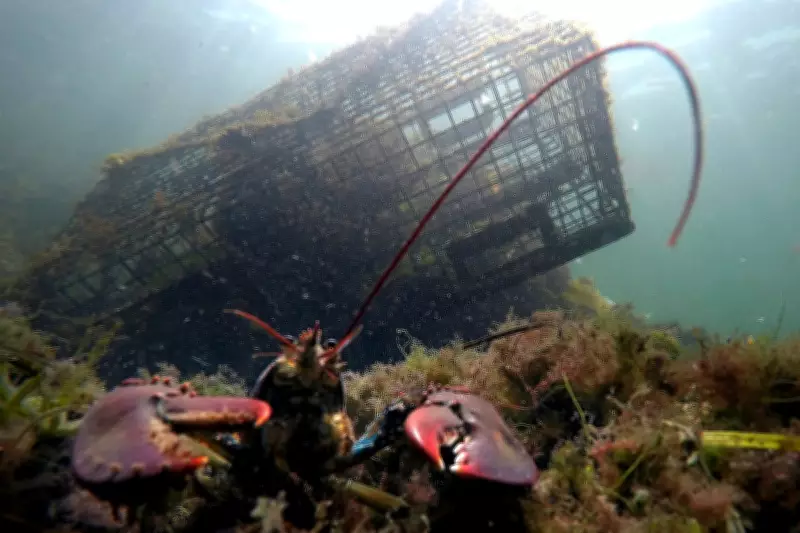
Maine's Lobster Industry Faces Fourth Year of Declining Catches
The iconic lobster industry of Maine has recorded a fourth straight year of declining harvests, raising serious concerns about the future of this vital economic and cultural cornerstone. Official data released by state fishing regulators reveals a troubling downward trend that began in 2021, with the 2025 catch plummeting to its lowest level since 2008.
Sharp Decline in Harvest Numbers
According to the latest figures, Maine's lobster haul dropped to 78.8 million pounds (35.7 million kilograms) in 2025. This represents a dramatic decrease from the more than 110 million pounds (49.9 million kilograms) recorded in 2021. The 2025 total is the smallest catch the state has seen in nearly two decades, highlighting the severity of the ongoing crisis.
Carl Wilson, Commissioner of the Maine Department of Marine Resources, provided detailed context for the decline. "Inflation severely impacted the industry last year, resulting in over 21,000 fewer fishing trips compared to 2024," Wilson stated. He further explained that market uncertainty, driven by international tariffs, and a delayed start to the peak fishing season compounded the challenges. "This combination of factors likely contributed to the decline from 2024 to 2025 in the lobster harvest of more than eight million pounds and a decrease in the overall value of more than $75 million," he concluded.

Environmental and Regulatory Pressures Mount
The ecological backdrop to this economic story is equally concerning. Scientists point to warming ocean temperatures as a primary driver, forcing lobsters to migrate northward into Canadian waters. The crustaceans are highly sensitive to thermal changes throughout their lifecycle, particularly during their juvenile stages.
Regulatory bodies have sounded the alarm for years. The southern New England lobster fishery has long been officially classified as depleted. The Atlantic States Marine Fisheries Commission recently declared that lobster populations in key areas are showing "rapid decline in abundance in recent years" and confirmed the species is experiencing overfishing. In response, environmental advocacy groups have intensified their calls for stricter, more comprehensive fishery regulations to ensure long-term sustainability.
Industry Response and Economic Reality
Some within the fishing community contest the overfishing designation, arguing that existing conservation rules—many designed to protect endangered whale species—already place significant restrictions on their operations. Despite the recent downturn, the industry's historical context offers a nuanced perspective. Last year's catch, while low for the past decade, remains above the typical 50 to 70 million pound hauls seen in the 2000s.
The industry experienced a remarkable boom in the 2010s, with annual catches frequently exceeding 100 million pounds and peaking at over 132 million pounds in 2016. However, the current economic climate is squeezing profitability. Fisherman John Drouin, operating out of Cutler, described the season as "not a very profitable one," citing the soaring costs of essentials like fuel and fishing gear, even as consumer prices remained high.
There were minor silver linings. Steve Train, a fisherman based on Long Island, noted more consistent trapping activity compared to the previous year. "Hauling was more consistent, with less peaks and valleys, and the price was higher in the summer months," Train observed, though he acknowledged landing slightly less lobster overall.
Market Availability and Pricing Trends
For consumers, Maine lobster remains available in restaurants and seafood markets, but at elevated prices. Dock prices, which averaged between $3 and $5 per pound during the industry's boom years, have consistently climbed above $6 per pound in recent times. The 2025 dock price settled at $5.85 per pound, reflecting the complex interplay of reduced supply, sustained demand, and increased operational costs.

Maine's waters are the source for the vast majority of the nation's lobster catch, making this decline a significant issue for the regional and national seafood market. The fishery, often valued at over $500 million annually at the docks, saw its value dip to more than $461 million last year. The continued decline poses fundamental questions about the resilience of this cherished industry in the face of environmental change and economic pressure.