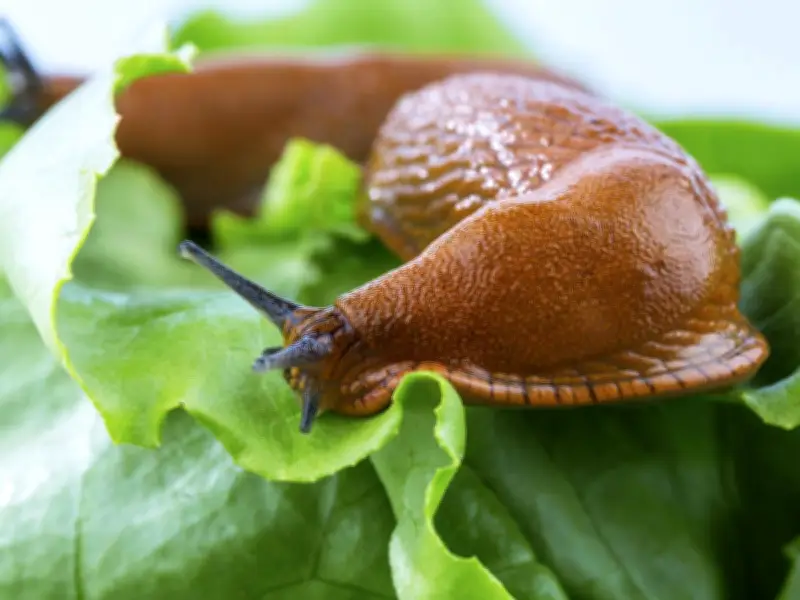
Slugs are among the most destructive garden pests in the UK, causing an estimated £8 million in plant damage annually, according to Greenhouse Stores. These gastropods can destroy seedlings and young plants overnight, leaving jagged holes in foliage. They feed at night, travel up to 15 metres in a single night, and a single slug can lay up to 400 eggs per year. While active year-round, slugs are most noticeable in spring and summer when tender vegetation is abundant. They hide in cool, shaded areas to avoid dehydration and are most active in moist, cool soil conditions.
Natural Barrier Methods Proven Effective
Chemical pesticides can harm soil quality and plant health. The most reliable and natural strategies against slugs are simple and practical. Gardeners' World trials have identified several barrier methods that work without toxic chemicals.
Bran Barrier: Top-Rated Natural Remedy
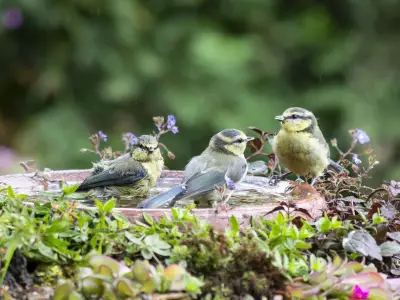
Bran barriers received a perfect 5/5 rating in Gardeners' World trials, making them the most successful natural remedy against slugs. Bran is available for £1.49 per 500g at Holland & Barrett or £1.99 on Amazon. To use, create a circle of bran (wheat or oat) around each plant, avoiding contact with stems. Slugs consume bran excessively, becoming swollen and dehydrated, which makes them vulnerable to birds. The bran acts as a lure that dries out slugs, which are mostly water. If slugs show little interest, grind bran into a fine powder with a blender to make it more attractive.

Seaweed Meal: Natural Deterrent and Soil Booster
Greenside Up recommends seaweed meal as an effective slug repellent. Scatter it around raised beds and form rings around seedlings, keeping it clear of stems. The high salt content deters slugs, while the seaweed provides trace elements, minerals, vitamins, and amino acids that benefit soil microorganisms. Gardeners' World endorses this method, rating it 4/5. Apply by forming a perimeter ring around beds or protective circles around plants, ensuring the meal remains 5cm away from stems.
Other Natural Barrier Materials
A BBC Gardeners' World reader survey highlighted several other effective barrier materials. Since slugs avoid sharp, rough surfaces, natural deterrents include cat litter, horticultural grit, bark, ash, cocoa chips, sawdust, wool pellets, sand, and coffee grounds. These barriers require regular replenishment, as most slugs live in the soil rather than on the surface.