Gardening Expert's Essential March Planting Guide
As spring arrives, gardening guru Chris Bonnett from GardeningExpress highlights a wealth of opportunities for sowing crops and flowers in March. With soil temperatures gradually increasing and daylight hours extending, this month offers a prime window for both hardy vegetables and more delicate varieties. Whether you're planting directly into the ground or starting seeds indoors, March provides the perfect conditions to kickstart your garden for the season ahead.
Preparing Your Garden for March Planting
Before diving into planting, it's crucial to ensure your soil is ready. Check that the ground isn't frozen solid or excessively waterlogged, as this can hinder growth. Remove any weeds to give your plants the best start, and consider using horticultural fleece to protect beds from potential frosts. When preparing the soil, use a fork or tiller to improve air circulation and incorporate a generous amount of organic matter, such as compost or well-rotted manure. This step enhances both the soil structure and its nutritional content, providing a fertile foundation for your plants.
Eight Essential Crops and Flowers to Sow in March
Chris Bonnett recommends focusing on these eight key plants this March, each with specific planting instructions to ensure success.


- Chillies: These thrive in containers and should be started indoors during March. Use a heated propagator or place them on a sunny, warm windowsill. Begin with small pots, then transplant seedlings to 9cm pots once they develop a few leaves. As they grow, move them to larger 20-30cm containers. Starting chillies now allows for an earlier and extended harvest due to their long growing period.
- Beetroot: Sow beetroot seeds directly into the soil once temperatures reach at least 7°C, typically from mid to late March. Plant in shallow drills about 2cm deep, thinning them out as they grow to give roots ample space. Keep the soil consistently moist during dry spells, and you'll enjoy vibrant, tasty roots in just a few months.
- Spinach: Spinach seeds germinate best in cooler conditions, making March ideal for outdoor sowing. Choose a sunny or partially shaded spot and prepare the ground beforehand. Scatter seeds sparingly in shallow drills, spacing rows 20cm apart. Spinach matures quickly, making it perfect for filling gaps in your vegetable patch or flower beds.
- Kale: This hardy vegetable handles brisk spring weather with ease. You can start kale in trays or plant it directly into the soil. Once established, harvest the outer leaves regularly, and it will continue producing for months, providing a steady supply of nutritious greens.
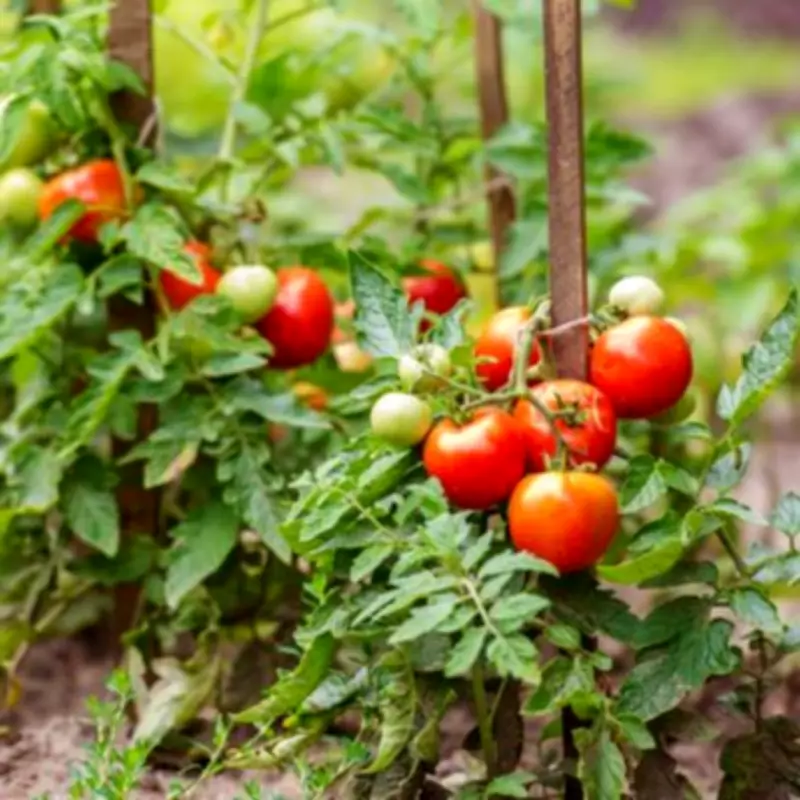
- Tomatoes: Sow tomato seeds indoors now to ensure robust plants ready for summer. Plant seeds in small pots, cover lightly with compost, and keep them warm using a heated propagator or a sunny windowsill under a clear plastic bag. Transplant seedlings into individual pots once they develop further, giving roots room to flourish.
- Potatoes: Early potatoes can be planted in the ground or in large containers during March. For ground planting, dig a trench 15cm deep, place seed potatoes with sprouts facing up, and cover lightly with soil. If using containers, opt for ones that are at least 30cm wide and deep, filled halfway with peat-free multi-purpose compost.
- Hardy Annuals: Flowers like cornflowers and poppies can be sown directly outdoors. Simply sprinkle the seeds over prepared soil and cover them lightly. These hardy annuals are resilient to cooler weather and will add colour to your garden as they bloom.
- Onions: Onion sets are easy to plant—just press them into the ground so the tip remains visible. They require minimal maintenance, preferring a bright location with well-draining soil. With little fuss, you'll have a reliable crop of onions ready for harvest.
Maximising Your March Gardening Success
To make the most of your March planting, focus on timing and care. For tender crops like chillies and tomatoes, indoor starting is key to protect them from late frosts. Hardy vegetables like kale and spinach can be sown outdoors, but keep an eye on weather forecasts and use protective covers if needed. Regularly water your plants, especially during dry periods, and monitor soil conditions to ensure optimal growth. By following these tips, you'll set your garden up for a productive and beautiful season ahead.