As winter gradually loosens its grip and the first subtle signs of spring begin to emerge, many gardeners face the annual challenge of revitalising their outdoor spaces. The transition from February into spring brings both anticipation and a growing list of essential horticultural tasks that can seem overwhelming at first glance.
Embracing February's Gardening Potential
Renowned gardening authority Monty Don encourages enthusiasts to view February not as a daunting period but as an uplifting time of preparation and promise. In his recent writings, Monty captures the seasonal shift perfectly, noting that "February is the month when the garden really starts to come alive and grow even if the weather can be severe and the days are still short. In February something is definitely happening. There is a thrill in the air."
With drier weather patterns typically establishing themselves and evenings gradually brightening, February presents the perfect opportunity to spend more productive time outdoors. This month traditionally focuses on straightforward yet crucial jobs including plant tidying, seed sowing and feeding regimes that will reward gardeners with abundant blooms and vigorous growth as spring properly arrives.

Four Essential February Gardening Tasks
1. Strategic Pruning for Spring Vigour
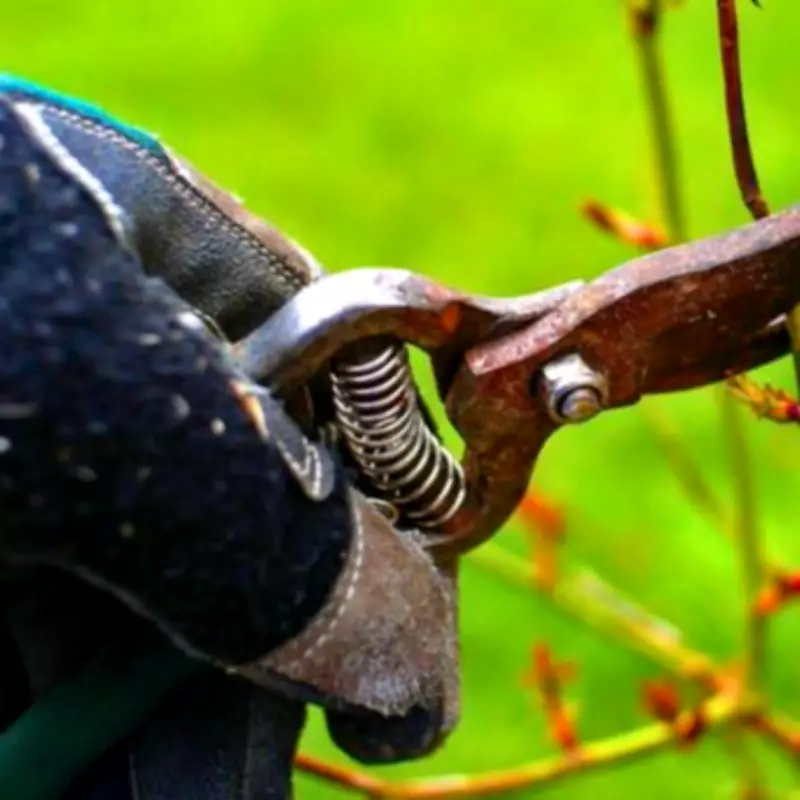
Late winter represents the ideal window for pruning specific flowering plants as they prepare to emerge from dormancy. Removing dead wood and decaying foliage allows these plants to conserve valuable energy resources that would otherwise be wasted on non-productive sections.
This conservation strategy enables plants to channel their strength into developing sturdier, more vigorous shoots that will support more substantial growth and flowering come springtime. Roses should feature prominently on every gardener's February agenda, though clematis and buddleias also benefit significantly from timely pruning during this period.
Monty offers practical guidance for pruning success, advising gardeners to "always cut back to something. Do not snip at random but make your cut just above a bud or a leaf or the joint of another stem." Using sharp, clean tools and making confident, precise cuts ensures healthy plant responses and minimises damage.
2. Early Seed Sowing for Summer Harvests
February marks the perfect starting point for sowing tomato seeds indoors, ideally within the protected environment of a greenhouse or potting shed. The process involves placing seeds into peat-free compost within seed trays, covering them with an additional compost layer, and providing thorough initial watering.
Gardeners can also begin sowing hardier vegetable varieties including chillies, rocket leaves and broad beans, establishing the foundation for a diverse homegrown harvest later in the year. Potatoes represent another February sowing opportunity, requiring seed potatoes to sprout in trays before planting to prevent excessive light exposure.
Monty explains this potato preparation process, noting that "if seed potatoes are exposed to light now the new sprouts will be knobbly and dark green" rather than developing the desirable transparent sprouts that emerge from potatoes stored in darkness. Simply arranging seed potatoes in trays placed in bright, cool, frost-free locations allows shoots to develop naturally until planting conditions improve.
3. Mulching for Natural Plant Support
Mulching represents one of gardening's simplest yet most beneficial practices, involving the application of compost or other organic materials around plant bases to provide winter protection and ongoing nourishment. This straightforward technique delivers multiple advantages simultaneously according to Monty's expert analysis.
He identifies three primary benefits, stating that "this will do three important jobs simultaneously. The first is to suppress any annual weeds and weaken any perennial ones. The second is to reduce evaporation and therefore keep in moisture and the third is that it will be incorporated into the soil by worms and improve the structure and nutrition."

As the organic matter gradually decomposes, it naturally enriches soil composition, resulting in more robust plant development with minimal ongoing effort required from gardeners. The process simply involves applying a thin mulch layer around plant bases while ensuring no direct contact with leaves or stems, creating optimal conditions for spring growth.
4. Supporting Garden Wildlife Through Late Winter
The latter stages of winter present particularly challenging conditions for garden birds, with natural berry supplies diminishing and frost-hardened ground making insect foraging increasingly difficult. As breeding season approaches with rising temperatures, maintaining reliable food sources becomes absolutely crucial for avian survival and reproductive success.
Monty emphasises this importance, noting that gardeners should "keep on feeding birds as they are now beginning to mate, nest and lay their first clutches of eggs. The better nourished the parent birds are, especially in cold weather, the larger and healthier the offspring will be."
Energy-rich options including sunflower seeds, suet balls and unsalted nuts provide optimal nutritional support during this demanding period. Additionally, providing fresh water sources through birdbaths or shallow containers can make significant differences to local bird populations, giving fledglings the best possible start during their critical early development stages.
By implementing these four fundamental February gardening practices, enthusiasts can transform their outdoor spaces from winter dormancy into vibrant spring vitality, following Monty Don's expert guidance towards horticultural success.