Slugs cause approximately £8 million worth of damage to UK gardens each year, but gardeners can create a natural barrier for as little as £1.49 using common household bran, according to Greenhouse Stores and Gardeners' World trials.
The Scale of Slug Damage in UK Gardens
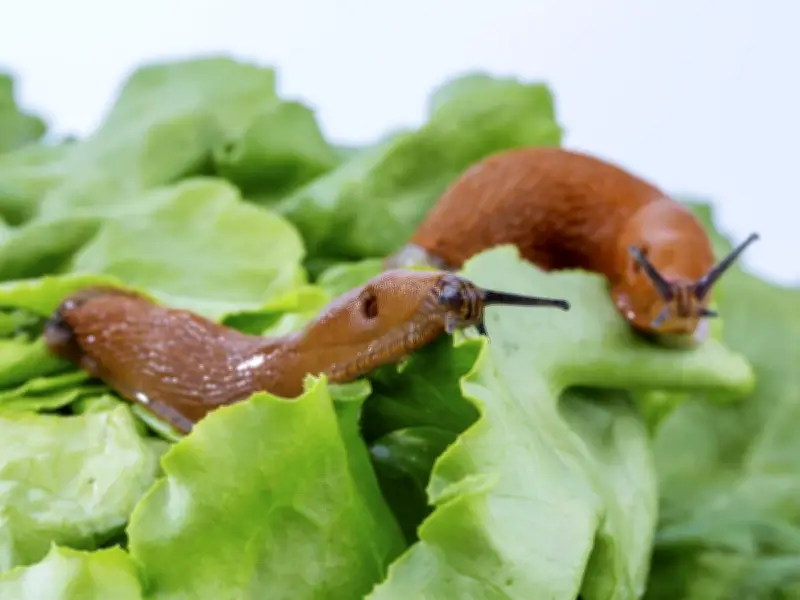
Slugs are widely considered the most destructive garden pests, capable of obliterating seedlings and young plants virtually overnight. These gastropods feed primarily after dark and can travel up to 15 metres in a single night. A single slug can lay up to 400 eggs per year, ensuring their presence persists across seasons. While slugs remain active year-round, they are most noticeable in spring and summer when fresh vegetation is abundant.
Slugs often burrow into the ground or hide in cool, dark places to avoid dehydration. They are especially active when soil is moist and cool. Although chemical pesticides can eliminate slugs quickly, they often harm soil health and plant wellbeing. Natural methods are increasingly recommended as safer alternatives.

Bran Barrier: The Top-Rated Natural Solution
Bran barriers scored a perfect 5 out of 5 in Gardeners' World trials, making them the most effective natural remedy tested. Bran is available for £1.49 for 500g at Holland & Barrett or £1.99 for 500g on Amazon. To use, create a ring of bran (wheat or oat varieties work well) around each plant, ensuring it does not touch the stems.
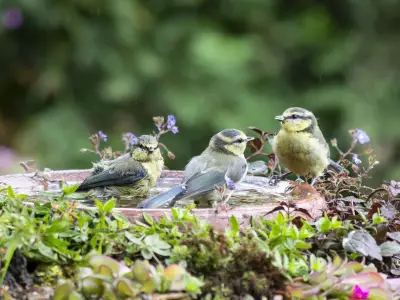
Slugs gorge on bran, becoming bloated and dehydrated, which makes them easy targets for birds. The bran acts as both a trap and a barrier. Because slugs are mostly water, the drying effect of bran is lethal. Gardeners can grind bran into a fine powder using a blender to make it more attractive to slugs if initial attempts are ignored.
Seaweed Meal as an Alternative Deterrent
Greenside Up recommends seaweed meal as an effective slug repellent. Its high salt content deters slugs, as they avoid crossing it. Seaweed meal also enriches soil with trace elements, minerals, vitamins, and amino acids, benefiting soil microorganisms. Gardeners' World endorses this method, awarding it a 4 out of 5 rating.
To apply, distribute seaweed meal around raised beds or individual seedlings, keeping it at least 5cm away from stems. This creates an impenetrable barrier that slugs will not cross while simultaneously nourishing the soil.
Other Barrier Materials for Slug Control
A BBC Gardeners' World reader survey highlighted several unconventional barrier materials that gardeners find effective. Slugs dislike sharp, rough textures, so materials like cat litter, horticultural grit, bark, ash, cocoa chips, sawdust, wool pellets, sand, and coffee grounds can be used. These barriers need frequent replenishment, and it is important to note that many slugs live beneath the soil rather than on the surface.
According to the survey, readers strongly support the barrier method as a reliable, natural approach to slug control. Combining these methods with bran or seaweed meal can provide comprehensive protection for gardens.