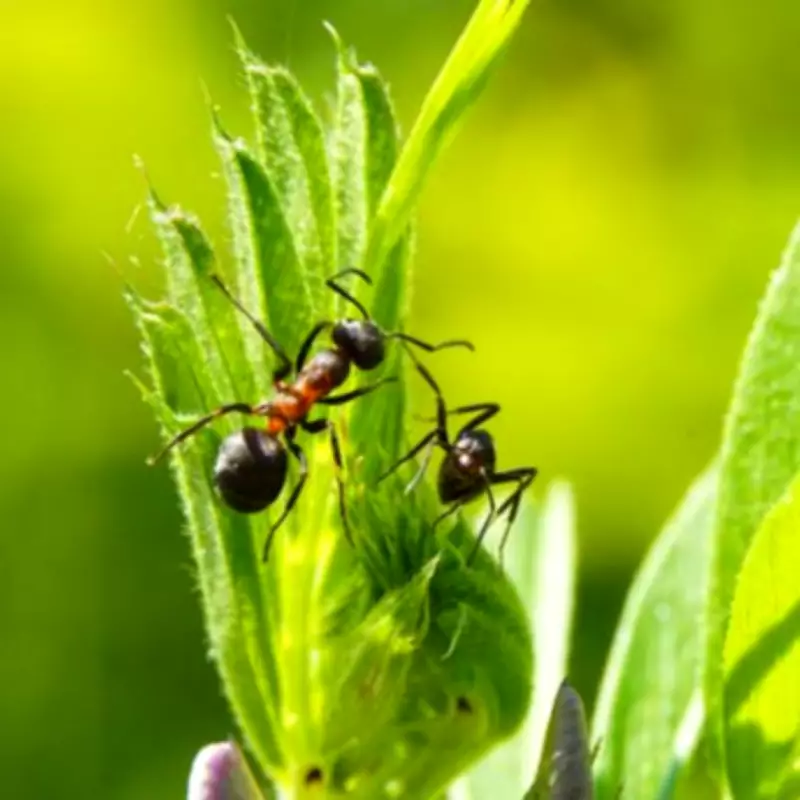
As spring arrives in full force, gardeners across the country are grappling with the persistent problem of ants invading their outdoor spaces. These tiny insects can become a significant nuisance, disrupting flower beds and potentially harming plant health. While many homeowners instinctively reach for chemical pest killers, experts warn that these toxic solutions often cause more harm than good, damaging the delicate balance of garden soil.
The Dangers of Chemical Ant Killers
Leading horticultural specialists Thompson and Morgan have issued a stark warning about conventional ant control methods. They explain that chemical ant killers typically only prove effective when applied directly to the entire nest, which can extend deep underground. This approach requires major garden disruption and upheaval, potentially harming beneficial organisms in the soil ecosystem. The experts emphasize that such aggressive measures should be avoided in favour of more sustainable, environmentally friendly alternatives.
The Surprising Bathroom Staple Solution
Domestic and garden specialist Molly Miller, known on Instagram as @therenegadehome, has revealed an ingenious non-toxic approach to ant control using a common bathroom item. According to Miller, a simple bar of soap represents the most effective method for eliminating ants from flower beds without resorting to harmful chemicals.

The technique involves using an old cheese grater to grate up a bar of Irish Spring soap, then sprinkling the resulting particles throughout flower beds to create a protective barrier against pests. Miller further suggests that gardeners can even use the soap bar itself to mark door frames and entry points, creating additional deterrents against insect intrusion.
Why Soap Works as an Ant Repellent
The effectiveness of Irish Spring soap stems from its specific formulation containing pest-repelling citrus fragrances and picaridin. These components create scents that confuse and deter ants, making it difficult for them to locate and colonise plants. Ants are particularly sensitive to strong, sharp aromas, which explains why natural ingredients like vinegar, citrus, and peppermint have traditionally been used in pest control.
Miller elaborates on the mechanism, noting that the soap's fragrance disrupts the ants' scent trails and communication systems, effectively creating an invisible barrier around protected areas. This method proves especially valuable for organic gardeners seeking to maintain chemical-free growing environments while still managing pest populations effectively.
Additional Natural Ant Deterrents
Beyond the soap solution, Miller recommends several complementary natural approaches for comprehensive ant control. She suggests sprinkling ground cinnamon around deck and patio areas to ward off both ants and bees. For enhanced effectiveness, gardeners can mix cinnamon with water to create a spray solution for treating areas where people frequently gather.
Professional pest control service Diamond Pest Control confirms cinnamon's efficacy, recommending that gardeners scatter the spice along ant trails and apply it to cracks and crevices where insects congregate. The company explains that cinnamon works through dual mechanisms: ants find the smell particularly offensive, and when they inhale the spice particles, it can cause respiratory distress that discourages further intrusion.
Regarding other natural alternatives, turmeric has also gained recognition for its ant-repelling properties throughout spring and other seasons. Gardeners can create protective barriers using various common kitchen spices, offering multiple options for those seeking to avoid chemical interventions in their outdoor spaces.
Implementing a Comprehensive Natural Pest Strategy
Successful natural ant control requires consistent application and monitoring. Gardeners should regularly refresh soap and spice barriers, particularly after rainfall or watering. Combining multiple natural deterrents often proves more effective than relying on a single method, as different approaches target various aspects of ant behaviour and biology.

The growing movement toward chemical-free gardening reflects broader environmental concerns and health considerations. By adopting these natural pest control methods, gardeners can protect their plants while maintaining healthy soil ecosystems and avoiding the potential hazards associated with synthetic pesticides.