Gardeners across the UK grappling with patchy, thin, or moss-infested lawns can achieve remarkable transformations with one straightforward spring task, according to horticultural specialists. A lacklustre lawn ranks among the most common garden issues in the country, but the encouraging news is that it is nearly always fixable without resorting to expensive solutions like digging up turf, installing new sod, or hiring professional landscapers.
The Power of Overseeding in April
This month, experts are urging homeowners to overseed their lawns, a process that involves sowing fresh grass seed directly onto an existing lawn. Professionals at Rolawn describe this task as "one of the most effective ways" to enhance lawn density, improve colour, and boost resilience without starting from scratch. When performed correctly during the optimal spring window, overseeding strengthens lawns long-term, helping them better withstand wear, weather fluctuations, and seasonal pressures.
Why Lawns Deteriorate and How Overseeding Helps
Lawns naturally thin over time due to factors like foot traffic, drought conditions, shade, soil compaction, and seasonal changes. Overseeding actively counteracts this deterioration by introducing new grass plants that fill in bare spots and compete with weeds and moss. The primary benefits include creating thicker grass blades, improving overall lawn colour, and significantly reducing opportunities for weeds and moss to establish themselves.

April: The Ideal Time for Overseeding
According to specialists at Fantastic Gardeners, "the best time to overseed in the UK" is spring, with April being particularly favourable. During this month, temperatures remain moderate and rainfall is more likely, providing the essential moisture seeds need for successful germination. This natural watering advantage makes April an optimal period for lawn rejuvenation projects.
Step-by-Step Guide to Overseeding Your Lawn
Preparation is Key: Begin by mowing your lawn to approximately 25mm to ensure grass seed can reach the soil effectively. Next, scarify the lawn using a garden rake or powered scarifier to remove thatch and surface debris. This crucial step ensures proper seed-to-soil contact for better germination rates.
Aeration and Feeding: Aerate the lawn by spiking it with a garden fork to a depth of about 150mm at intervals of roughly 300mm. This process enhances drainage and promotes healthier root growth. If your lawn hasn't been fertilised in the past four months, apply a balanced lawn feed at this stage to provide essential nutrients.
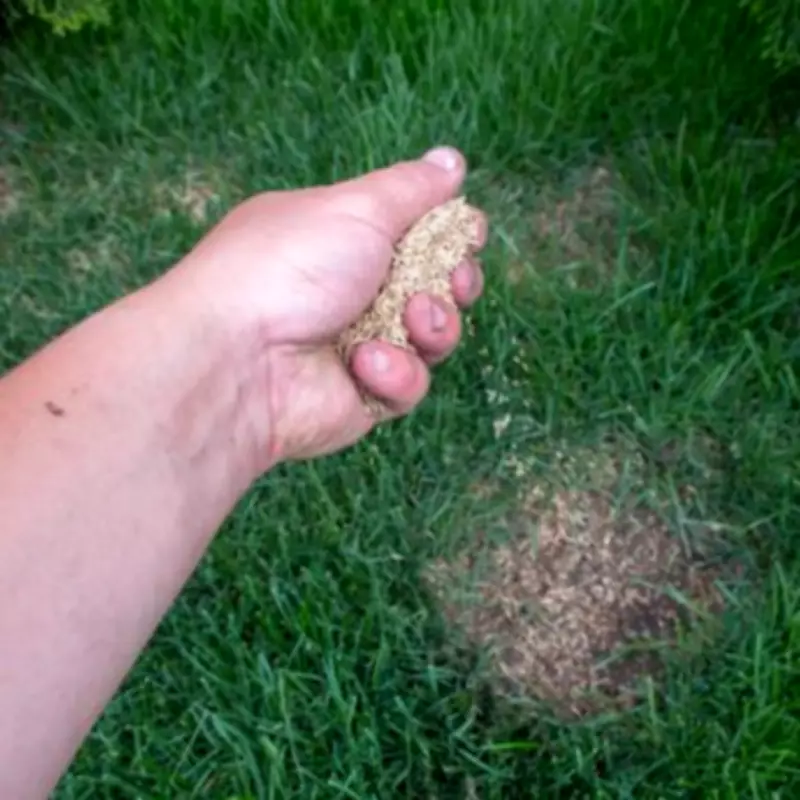
Seed Application and Protection: Evenly distribute fresh grass seed across the prepared lawn surface. To save time and help incorporate the seed into the soil, you can mix it with lawn topdressing before application. Keep the area consistently damp; if rainfall is insufficient, lightly water after two or three days to prevent seeds from drying out.
Post-Seeding Care: Use netting or garden fleece to protect seeded areas from birds, removing this protection once grass shoots begin to emerge. Minimise foot traffic on the lawn for at least seven to twenty-one days while seedlings establish their root systems. For the first few mows, increase the cutting height to around 50mm, then gradually reduce it back to 25mm, ensuring you never remove more than one-third of the grass blade length at any single mowing.
By following these expert recommendations and dedicating time to this simple April task, UK gardeners can transform struggling lawns into vibrant, healthy green spaces that better resist moss, weeds, and environmental stresses throughout the growing season.