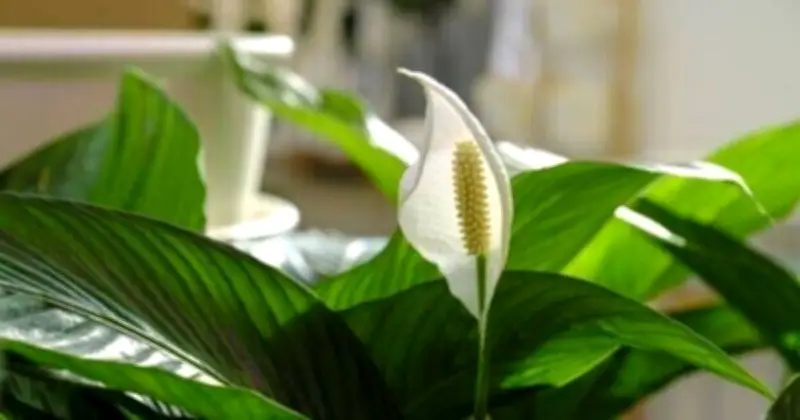
Peace lilies, with their luxuriant foliage and striking white spathes, have established themselves as a beloved houseplant staple throughout the UK. Yet persuading these graceful plants to flower can prove challenging, and it's understandably disheartening to nurture your plant without witnessing any tangible rewards.
Gardening specialist Luke Newnes, from Hillarys' Interior Squad, said: "Peace lilies are one of those classic houseplants that everyone loves for their glossy leaves and those elegant white flowers (technically called spathes). Getting them to flower can be a bit of a mystery, but with the right care, you can coax out blooms almost any time of year."
Replicate Their Natural Habitat
Replicating their native rainforest habitat could prove the key to encouraging your peace lily to bloom. Naturally thriving on the rainforest floor, peace lilies prosper in warmth and humidity, sheltered from intense direct sunlight.

Within the British climate, anticipate flowering predominantly between March and September. That said, don't be taken aback if an exceptionally well-maintained plant breaks convention and produces flowers outside this window, demonstrating the peace lily's adaptable character.
Feeding Routine Is Essential
A reliable feeding routine proves essential, incorporating regular doses of a balanced liquid houseplant fertiliser. Begin feeding your peace lilies from early spring every four to six weeks to encourage them to shift their energy from producing leaves to blooming.
Luke said: "If your plant is all leaves and no flowers, it's often down to not enough light or a lack of feed."
Light and Soil Care
When selecting the ideal spot for your peace lily, opt for a bright yet sheltered position, with north or east-facing windows being the most suitable. Soil care is equally important: keep it moist without overdoing it to avoid the risk of root rot.
Recreating that tropical rainforest atmosphere at home will ensure the best possible growth; boost humidity by misting the plant or using a pebble tray, and check the pot regularly for coiled roots, which may indicate it is time to repot.
Routine Upkeep and Patience
Routine upkeep such as deadheading spent blooms and removing yellowed leaves redirects the plant's energy towards new growth. Should nothing change despite your best efforts, relocating your plant to a brighter spot or adjusting your watering routine could be just the nudge it needs to produce its distinctive white flowers.
Luke added: "As long as it's healthy and happy, it can still push out blooms later in the summer. Sometimes it just needs a little nudge."