Gardening Expert Reveals Simple Potato Tower Method for March Planting
Gardening specialist Simon Akeroyd has shared expert advice on cultivating a delicious summer harvest by planting one key vegetable in March. The bestselling author and founder of his own gardening academy demonstrated his technique on TikTok, highlighting a straightforward approach to building a compost tower specifically for potatoes.
Constructing the Potato Tower Framework
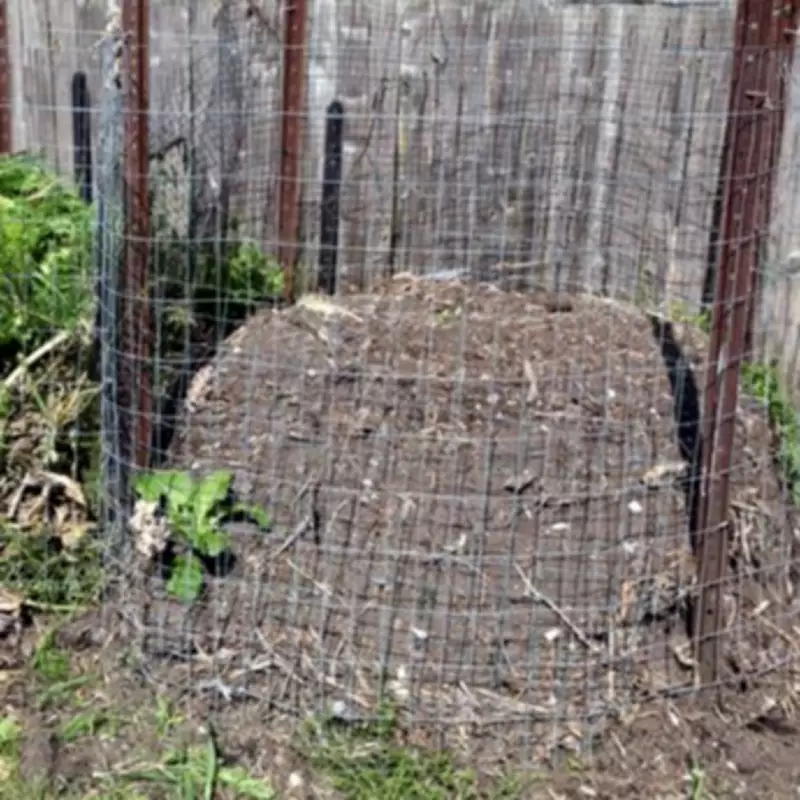
Before beginning the process, ensure you have potatoes available from a supermarket or seed supplier. Simon started his instructional video by hammering four large sticks into the soil using a mallet to create the tower's basic structure. He arranged the sticks in a square formation and then secured chicken wire around the perimeter to form the enclosure.
"No need to remove the turf below the tower," Simon advised. "The compost will prevent it from growing." He then collected compost and added grass clippings to increase bulk before scattering a layer into the framework. Following this, he placed about three potatoes into the tower and covered them with an additional layer of compost.

Maintaining and Harvesting the Potato Crop
As the potatoes begin to grow, it is essential to keep topping up the tower with more compost, a gardening practice known as earthing-up. Simon explained that once the potatoes have finished flowering, they will soon be ready for harvest. He praised this method, stating, "Potato towers save space and no digging is required! Growing potatoes is so easy."
In response to his demonstration, one TikTok user commented, "This looks great, I'm going to try this." Another supporter shared an alternative approach, writing, "I've done it by waiting until the potatoes sprout a little, slice the sprouted part off, (eat the rest of the potato) and put the pieces into a dustbin, drilled with holes and filled with compost."
Alternative Composting Solutions for Limited Space
For gardeners lacking sufficient space for a traditional compost heap, Simon recommends creating a wormery using two old buckets. "Wormeries are ideal if you do not have space for a compost," he explained. The worms will efficiently break down kitchen waste, transforming it into nutrient-rich compost for garden use.
Simon added that a liquid can be collected in the bottom container to use as a potent plant food when diluted at a ratio of one part to ten parts water. "This liquid is often called 'worm tea'. Or, I've called it worm juice!" he noted. He emphasised the importance of ensuring the upper container has plenty of holes for proper air circulation and cautioned against using earthworms.
"Earthworms need much deeper soil and they don't feed on kitchen waste," he pointed out. "Instead use compost worms, such as red tiger worms or European night crawler worms which thrive in shallow compost." The wormery should be maintained at temperatures between five and twenty degrees Celsius and placed in a shaded location, with worms being fed fruit and vegetable scraps.