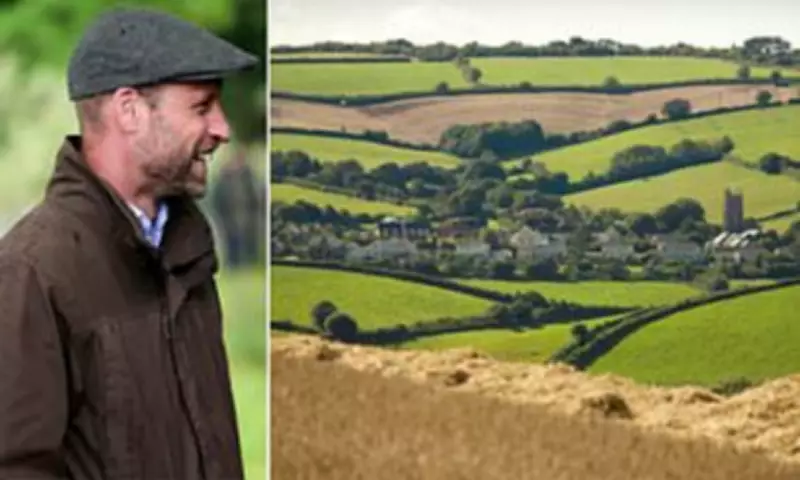
The Prince of Wales's plans to sell off portions of the Duchy of Cornwall's historic Bradninch estate in Devon have left local farmers feeling 'enormously stressed' and shocked, raising concerns about the future of tenancies that have spanned generations. This move, part of a broader portfolio review by the duchy, is causing significant anxiety among agricultural communities already grappling with financial challenges.
Historic Estate Under Review
The Bradninch estate, located near Cullompton in Devon, has been an integral part of the Duchy of Cornwall for centuries, traditionally owned by the eldest son of the monarch. As heir to the throne, Prince William inherited this vast portfolio—comprising land, property, and investments valued at over £1 billion—when his father, King Charles III, ascended to the throne. The duchy provides Prince William, the 25th Duke of Cornwall, with a private annual income of nearly £23 million, which funds the charitable, private, and official activities of the Prince and Princess of Wales and their children, Prince George, Princess Charlotte, and Prince Louis.
Tenant Reactions and Financial Struggles
John Palmer, a resident of the estate, described the sales as 'unexpected and shocking news,' highlighting the immense stress it places on tenants and employees. He noted that while farmers are being given first refusal to purchase their farms, many find it 'difficult or impossible' to raise the necessary capital in today's financially challenging climate for British agriculture. This sentiment echoes broader fears about the sustainability of family-run farms in the face of economic pressures.

In a letter to The Times, Mr. Palmer elaborated, stating that the news is 'enormously stressful for tenants and employees of the duchy estate.' He pointed out that some farms have been in the same families for generations, making the potential sales particularly disruptive. The financial hurdles are compounded by the current economic landscape, where securing capital for such purchases is a daunting task for many.
Duchy's Rationale and Tenant Support
The Duchy of Cornwall has stated that the sales are part of an ongoing review aimed at maximizing social and environmental impact across its portfolio. Will Bax, chief executive of the duchy, explained, 'Over the past year, we have been reviewing where we can make the most social and environmental impact across our existing portfolio. We will be reinvesting significantly in areas where there is the greatest need and potential.' He emphasized that these decisions are made carefully with a long-term perspective, prioritizing compassion and support for tenants during the process.
Bax added that many farm tenants view this as an 'exciting opportunity' to buy their properties for the first time, though this optimism is tempered by the financial realities faced by others. The duchy has committed to giving tenants ample time and assistance, but the underlying tension between opportunity and affordability remains a key issue.
Industry Perspectives and Concerns
George Dunn, chief executive of the Tenant Farmers Association (TFA), acknowledged the duchy's plans, noting that while the association is 'disappointed' by the sales, it appreciates that sitting tenants are being offered first refusal. He stated, 'In the world of the second best, the TFA is pleased, at least, to see that sitting tenants are to be given first refusal on purchasing.' However, Dunn highlighted potential upheavals for tenants who are unable or unwilling to purchase, as they may face displacement from farms they expected to occupy long-term due to the traditionally stable nature of Duchy of Cornwall tenancies.
Dunn also clarified that there are no reports of tenants receiving notices to quit, suggesting that sales might occur under farm business tenancy agreements where notice is available to the duchy for selling with vacant possession if tenants decline to buy. This adds a layer of uncertainty for those weighing their options.

Broader Implications for Agriculture
The situation at the Bradninch estate reflects wider challenges in the UK farming sector, where economic strains and changing land ownership dynamics are creating instability. As the duchy moves forward with its rationalization efforts, the balance between social impact and tenant welfare will be closely watched. The outcome could set a precedent for how historic estates manage modernization while supporting their agricultural communities.
Ultimately, the land sales underscore the complex interplay between tradition, finance, and environmental goals in contemporary Britain, with Prince William's duchy at the center of a contentious debate over land use and tenant rights.