Russia has declared a state of emergency in the Siberian Novosibirsk region to combat a severe outbreak of cattle diseases, specifically pasteurellosis and rabies. This drastic measure has triggered widespread protests from small farmers, who are facing the forced culling and burning of thousands of animals, threatening their livelihoods and sparking significant unrest in local communities.
Emergency Declared Amid Disease Outbreak
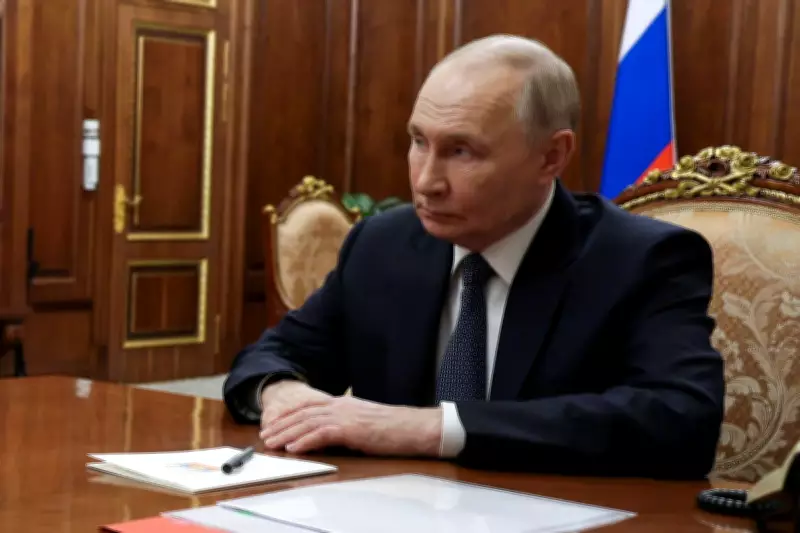
The Russian government, under President Vladimir Putin, has implemented the emergency declaration to address the rapid spread of pasteurellosis and rabies among cattle herds. Officials cite the need for better coordination and containment efforts, with the agriculture watchdog attributing the outbreaks to extreme winter cold that has weakened animal immunity, making them more susceptible to infections.
Mass Culling and Farmer Resistance
In response to the emergency, authorities have initiated a large-scale culling operation, resulting in the destruction of thousands of cattle. However, this has led to weeks of protests from small farmers, who argue that the forced seizures of their livestock are unjust and that they were not adequately informed about the emergency measures. Many farmers contend that pasteurellosis can be treated with antibiotics, questioning the necessity of such extensive culling.

Disproportionate Impact on Small Farms
Concerns have been raised that the culling disproportionately affects small-scale farms, while larger agricultural enterprises appear to have been spared. This disparity has fueled anger among local villagers, who feel that their livelihoods are being sacrificed while bigger operations remain untouched. The situation has highlighted tensions between rural communities and governmental agricultural policies.
Compensation and Coordination Efforts
Officials state that the state of emergency allows for improved coordination in disease management and promises compensation for culled animals. Despite these assurances, the protests continue as farmers demand more transparency and fair treatment in the handling of the outbreaks. The crisis underscores the challenges of balancing public health measures with the economic stability of agricultural sectors.
As the situation unfolds, the Russian government faces mounting pressure to address the grievances of small farmers while effectively containing the cattle diseases to prevent further spread and economic damage.