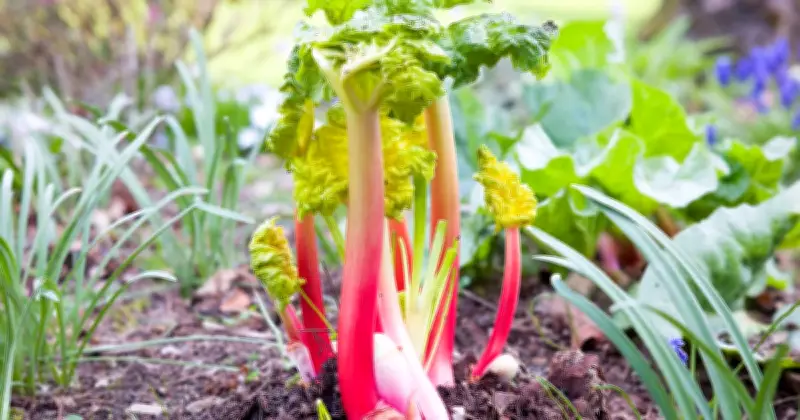
Gardeners who want bigger rhubarb stalks next year should stop harvesting the plant in July, according to gardening expert Mertie Mae, founder of Horticulture Talk. Persistent harvesting in summer depletes the plant's energy reserves, weakening it for winter and reducing next year's yield.
Why July Harvesting Harms Rhubarb
Rhubarb is a hardy perennial that relies on rhizomes to store sugars and nutrients needed to survive cold temperatures and regenerate in spring. The stalks support leaves for photosynthesis, which converts energy into reserves. Mertie Mae explained: "Allowing the plant to grow for the rest of the summer will give it the sugars and nutrients needed to get it through the winter and allow it to produce well the next year."
Continuous picking places the plant under considerable stress, disrupting its natural growth cycle. The plant becomes less capable of producing stalks the following year, and any yield may be thin, small, or bitter. In severe cases, the plant may be too weak to survive winter and fail to regrow in spring.

July Heat and Water Stress
July is often a dry month, adding strain to rhubarb. Mertie Mae noted: "The lower amount of available water and the lower amount of sugar (because the reserve from the previous year has been used in spring) make the stalks thin and of a poorer quality." Stalks harvested in July lack the juiciness and flavour of earlier growth.
What to Do Instead
To maintain healthy rhubarb, leave the plant undisturbed and allow it to grow naturally. Remove any flowers that appear, as they redirect energy away from the roots. Water the plant at least once a week, or whenever the soil appears dry, to support it through the summer heat. Allowing rhubarb to die back naturally will reward gardeners with a flourishing plant next spring, producing thick, red stalks.