Essential Spring Feeding Advice for Garden Bird Enthusiasts
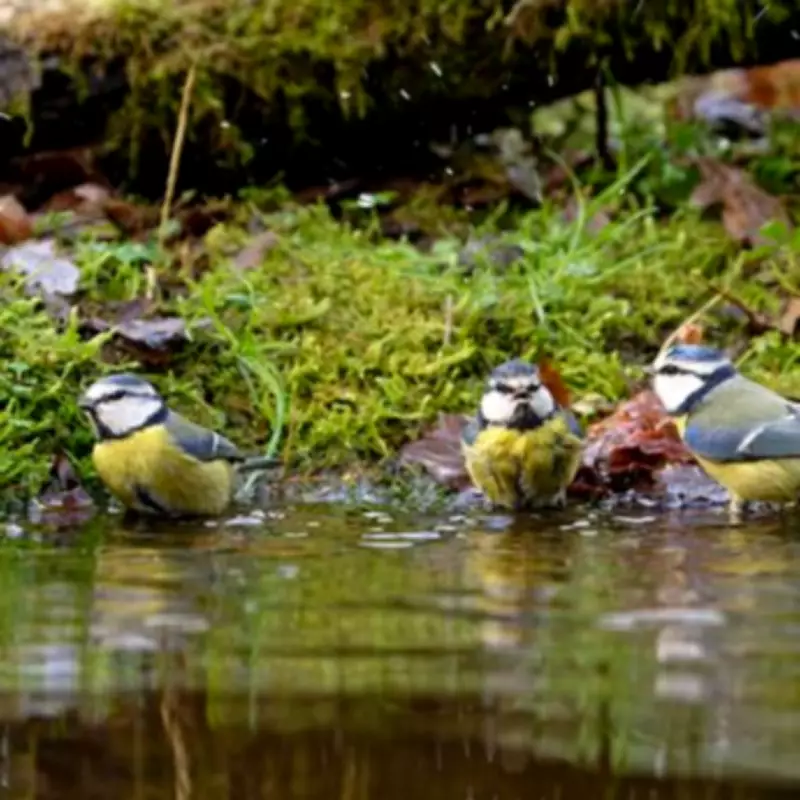
As the spring nesting season commences across the United Kingdom, bird feeding experts have identified a single crucial food item that can significantly benefit robins, blue tits, and other garden birds. This period marks a critical time when birds require substantial energy reserves for breeding and rearing their young.
Why Peanuts Are the Premier Spring Bird Food
According to specialists at Really Wild Bird Food, peanuts stand out as among the best foods for garden birds throughout the spring months. Despite the UK often experiencing lingering cold temperatures well into mid-spring, which necessitates continuing high-energy winter feeding approaches until mid-March, peanuts provide exceptional nutritional value as conditions gradually warm.
Bird food supplier Beaky Bites enthusiastically endorses this recommendation, describing peanuts as a nutritional powerhouse for birds. These legumes are remarkably rich in fat and packed with essential minerals like calcium and phosphorus, which are vital for avian health and development during demanding seasonal activities.

Proper Feeding Techniques Are Crucial
The experts emphasize that while peanuts offer excellent nutrition, they must be provided correctly to ensure bird safety. Specialists caution that peanuts should only ever be served from a mesh peanut feeder. This method ensures birds carry small, manageable pieces back to their nests while minimizing potential choking hazards.
For those without specialized mesh feeders, seed mixes containing peanut granules serve as a suitable alternative. The professionals also recommend using squirrel-proof feeders, which help deter larger birds if your goal is specifically attracting smaller species like robins, dunnocks, and wrens.
Catering to Different Bird Species
Numerous garden birds relish peanuts as part of their diet, including blue tits, greenfinches, house sparrows, and nuthatches. However, feeding preferences vary significantly by size. Larger birds such as jays, jackdaws, crows, and magpies typically prefer whole peanuts in their shells, while smaller birds favor crushed or grated peanuts that they can handle more easily.
This tailored approach ensures even the tiniest avian visitors can enjoy peanuts without struggling to carry or consume them, making your garden welcoming to a diverse range of species.
Creative Feeding Methods Beyond Basic Peanuts
Beyond serving plain peanuts, experts suggest several innovative feeding techniques. Spreading peanut butter on tree bark or incorporating it into suet feeders creates what specialists describe as a high-energy treat the birds will love. Tray and dish feeders also work brilliantly for serving whole peanuts and splits, attracting various bird species to your outdoor space.
The professionals encourage experimentation with different approaches to discover what best suits the birds in your specific locality, promising that consistent peanut offerings will result in birds flocking to your feeders throughout the year.
By providing peanuts properly during this critical spring period, you'll ensure your feathered visitors receive the essential nutrients they require for successful breeding and nesting, ultimately creating a thriving avian habitat in your own garden.