UK Farmers Face Crisis as Iran War Drives Up Fertiliser and Fuel Costs
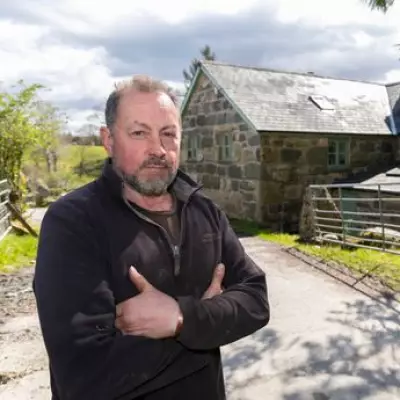
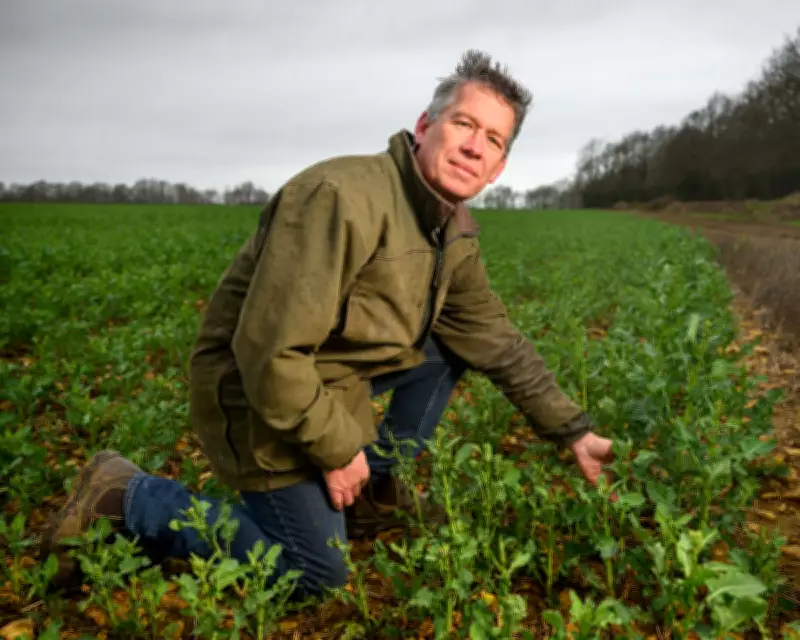
The tranquil fields of Gloucestershire, where James Cox tends his 230-hectare arable farm, seem a world away from the turmoil in the Middle East. Yet, the repercussions of US and Israeli strikes on Iran, along with Tehran's retaliation, are already hitting home for Cox and countless other British food producers. As the spring planting season kicks off, the prices of essential farming inputs such as fuel and fertiliser have skyrocketed, putting immense financial pressure on an industry already struggling with post-Brexit changes and unpredictable weather.
Supply Chain Disruptions and Global Trade Impacts
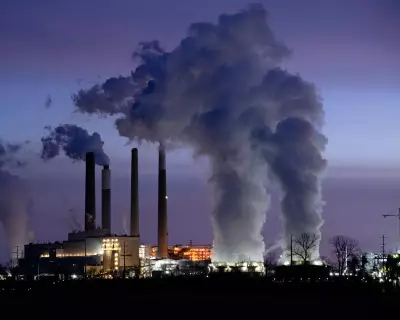
According to the UN Conference on Trade and Development (Unctad), based on 2025 data from Kpler, approximately one-third of global seaborne fertiliser trade passes through the Strait of Hormuz. This narrow shipping channel, off Iran's southern coast, has been effectively closed since the conflict began, halting the transport of fossil fuels and critical fertiliser ingredients like ammonia, nitrogen, and sulphur. With about 16 million tonnes of fertilisers shipped from the Gulf region in 2024, a prolonged shutdown could disrupt production at major manufacturing sites, exacerbating shortages.
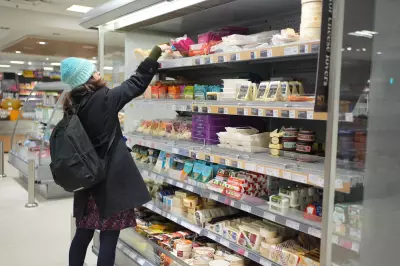
Egyptian urea prices, a key benchmark, have surged by over 45%, reaching $700 per tonne from around $484 in late February. This spike is driven by rising energy costs needed for production. In the UK, farmers rely on roughly 1 million tonnes of synthetic nitrogen annually to grow crops for human consumption and animal feed. Without adequate fertiliser, crop yields could plummet, leading to potential shortages of household staples like bread, pasta, and potatoes. Analysts at broker Jefferies warn that food price inflation is expected to accelerate towards the end of the year as a result.

Financial Strains and Subsidy Changes
James Cox is among the fortunate few who have secured his fertiliser supply for the season, with dozens of 600kg bags stored on his farm. However, he acknowledges that many others were not so lucky, unable to make early purchases due to tight finances and poor grain market prices. Historically, farmers benefited from the EU's basic payment scheme (BPS), which provided subsidies in December to help cover costs. Since Brexit, this has been phased out in England, though it remains in devolved nations, leaving many with cashflow issues.
Environment Secretary Emma Reynolds has promoted the new sustainable farming incentive (SFI) as a fairer alternative, but the timing could not be worse. The latest cost hikes come as British agriculture faces multiple challenges, including climate-related weather unpredictability, lower global crop prices, and impending inheritance tax changes on agricultural properties. This has created widespread worry and uncertainty, with farmers unsure of what they will pay for crucial products.
Fuel Market Volatility and Historical Echoes
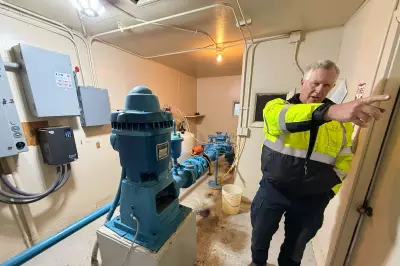
Fuel suppliers are struggling to keep pace with global oil market fluctuations, leaving farmers in the dark about costs. Alex Harrison, a fuel buyer at Fram Farmers, reports that suppliers are only confirming prices for red diesel—used in agricultural vehicles—on delivery day, adding to the uncertainty. This situation evokes unpleasant memories of the price spikes following Russia's invasion of Ukraine in 2022, though there is a key difference: while the Ukraine conflict drove up crop prices, helping offset raw material costs, grain prices have remained relatively stable amid the Iran war, forcing farmers to reconsider their planting strategies.
Cox, for instance, is debating whether to use extra fertiliser on his wheat crop to qualify for milling premiums, but he fears the costs may not justify the returns. "The sums don't add up," he says, highlighting the front-loaded expenses with no guarantee of quality at harvest. Other producers are adapting by growing more peas and beans, which require no nitrogen, or finding ways to use less fertiliser altogether. David Wilson, a crops specialist at Fram Farmers, notes that some may even question whether planting certain crops is worthwhile.

Government Response and Future Outlook
The National Farmers' Union (NFU) has expressed concern over the conflict's impact on UK food resilience, with President Tom Bradshaw urging stronger safeguards against global shocks. Environment Secretary Reynolds has committed to monitoring food supply chains, while Rachel Reeves has warned against companies exploiting the crisis for "excess profits," calling on the Competition and Markets Authority to oversee fuel retailers and heating oil suppliers. As the situation unfolds, the ability of British agriculture to withstand these pressures will be crucial for maintaining food production for the nation's 70 million consumers.