UK Supermarkets Face Fresh Produce Shortages as Iran Conflict Drives Up Costs
British fruit and vegetable growers have issued a stark warning that supermarket shelves could soon empty of fresh produce as they face mounting pressure to halt production. The crisis stems from skyrocketing costs triggered by the ongoing conflict in Iran, which has sent global fuel prices soaring and disrupted critical shipping routes.
Global Conflict, Local Consequences
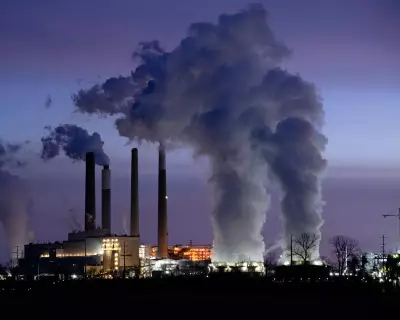
Tehran's retaliatory bombing campaign in the Gulf, following attacks by the US and Israel on February 28, has had immediate global repercussions. The conflict effectively shut down the Strait of Hormuz, a narrow waterway through which approximately 20 million barrels of oil pass daily. This closure has caused oil prices to surge past $100 per barrel, representing a $27 increase since the initial attacks.
British growers have been particularly hard hit by this international crisis. Rising energy prices and transportation costs are creating unsustainable financial pressures that may force many to end their planting seasons prematurely. Associations representing agricultural producers have raised urgent concerns about the potential impact on UK food supplies.

Growers Face Critical Decisions
Lee Stiles, secretary for the Lea Valley Growers Association (LVGA), warned that shoppers could see a repeat of the supply issues that followed Russia's invasion of Ukraine in 2022. "Growers are in the same position now as they were when Russia invaded Ukraine, because wholesale gas prices are creeping up," Stiles explained.
"With rising costs, many growers are thinking they might as well send staff home, stop for the season and not produce anything. They're going to have to make a decision in the next few weeks as to whether it's going to be economic to continue for the rest of the year."
The Hertfordshire-based LVGA represents 70 glasshouse growers, primarily around the London border but also across the country. These producers are the UK's largest cucumber growers and also cultivate sweet peppers, aubergines, and tomatoes. If growers cannot afford to heat their glasshouses, crops will stop growing and yields will dramatically reduce.
Multiple Cost Pressures Mount
Rachael Williams of the West Sussex Growers Association (WSGA) highlighted the multifaceted nature of the crisis. "I have touched base with our growers and everybody's obviously worried. They are worried about what will happen, how it will develop, and the uncertainty of it all," she said.
Williams identified four key pressure points: "It's the rise in transportation costs, input costs, supply chain disruption, and then, of course, from the energy perspective heating the glasshouses." She noted that red diesel prices had increased by more than 50 percent in just ten days, from 79.44 pence per litre on March 1 to 131.26 pence per litre by March 12.
The WSGA represents fruit, vegetable, and ornamental plant producers in West Sussex, whose members grow sweetcorn, courgettes, lettuce, strawberries, blueberries, and other crops.
Supermarket Response and Food Resilience
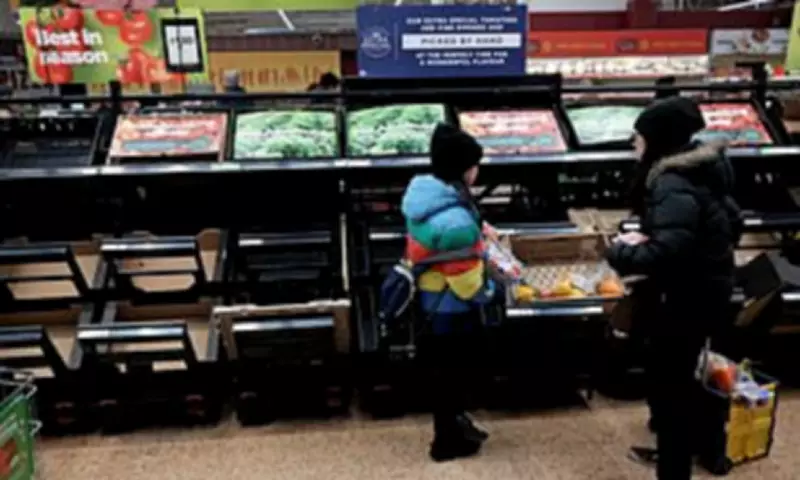
Stiles criticized supermarket chains for their apparent lack of intervention. "The supermarkets agreed a fixed price with growers last year. They can intervene now if they wish and agree to pay more for produce because of increased production costs. But it looks as though they're prepared to have empty shelves again and reduced availability."
The National Farmers' Union (NFU) has met with the Department for Environment, Food and Rural Affairs (Defra) to discuss the UK's food resilience in light of the crisis. NFU president Tom Bradshaw drew parallels with previous disruptions: "We've already seen this situation play out with the Russian invasion of Ukraine which drove an ongoing cost-of-living crisis here."
Bradshaw added: "With the removal of farm support which added a layer of resilience for many farm businesses, farmers are more exposed than ever to global markets. While the impact on food production and food price inflation will depend on what happens over coming weeks, it is yet another sobering reminder of the need to build resilience in UK farming."

Geopolitical Context Escalates
The crisis originates from the February 28 attacks on Iran by US and Israeli forces, known as Operation Epic Fury. Just two days later, Tehran declared the Strait of Hormuz closed to all shipping. This 25-mile-wide waterway between Iran and the United Arab Emirates normally carries 20 percent of global oil and gas exports.
Iran's new Supreme Leader, Ayatollah Mojtaba Khamenei, vowed to keep the strait closed unless the US and Israel pay compensation for bombardments that have devastated Iranian cities. In a chilling development following this announcement, British troops at a joint US-UK military base in Iraq were attacked by two Iranian drones on Wednesday night.
US President Donald Trump has deployed thousands of US Marines to the region amid mounting fears that military intervention may be necessary to resolve the strangled oil supply. The Japan-based USS Tripoli, an amphibious assault ship with attached Marines, is now headed for the Middle East to join other servicemen in the region.
As geopolitical tensions continue to escalate, British growers face increasingly difficult decisions about whether they can afford to continue production. The potential consequences for UK consumers could be significant, with fresh produce shortages becoming a real possibility in the coming weeks and months.