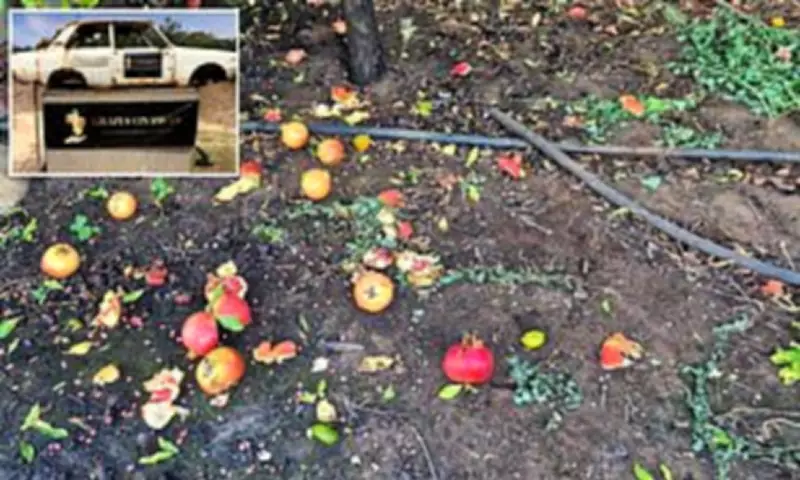
A family-run vineyard in Western Australia has been compelled to permanently terminate its popular pick-your-own pomegranate events following an Easter weekend incident where visitors destroyed hundreds of kilograms of fruit, resulting in substantial financial losses and operational changes.
Destruction of Produce Forces Event Cancellation
Grapes on Swan, a small family-operated vineyard situated in the Swan Valley region, has been in business for over three decades and had offered pick-your-own experiences to the public for approximately seven to eight years. The vineyard hosted its latest event during the Easter long weekend, inviting families to pick their own pomegranates with free admission.
However, the occasion turned disastrous when a significant portion of the crop was deliberately damaged. Owners reported on Facebook that numerous visitors picked pomegranates only to throw them onto the ground, while others were observed secretly consuming fruit behind large trees. Additionally, unripe mandarins and limes were harvested and discarded.

Financial Impact and Owner's Reaction
Owner Denis Kljuce expressed profound shock upon discovering the extent of the destruction, estimating that between 300 and 400 kilograms of produce had been wasted. With pomegranates retailing at $8 per kilogram, the financial loss amounted to at least $2,400. This setback is particularly severe given rising costs for fuel and fertiliser affecting agricultural operations.
Mr Kljuce noted that while he witnessed some adults engaging in the misconduct, the primary culprits were children who were not adequately supervised by their parents. This incident was not isolated; the vineyard had previously experienced similar damage to its sultana grape variety.
Operational Changes and Future Plans
In response to the vandalism, the Kljuce family announced that pick-your-own pomegranates will no longer be available. Moving forward, the fruit will be pre-harvested by staff and sold directly at their market tent. The owners emphasised the extreme financial loss and extensive clean-up required as key factors in this decision.
Despite the cancellation of pomegranate picking, Mr Kljuce indicated that grape-picking events might continue under revised conditions, such as implementing a gold coin entry fee or allocating specific time slots to better manage visitor behaviour.
Vineyard's Efforts and Public Response
The vineyard had implemented measures to educate visitors, including clearly explaining rules before entry and providing samples to ensure people understood what they were picking. However, as a small family-run business, there were limitations to monitoring all areas effectively.
Mr Kljuce affirmed that he still values welcoming the public and believes in the importance of fruit-picking experiences for educational purposes, particularly for younger generations to learn about food origins. Although no apologies were received from the offenders, the vineyard was inundated with supportive messages from the community, for which they expressed tremendous gratitude.
The remaining pomegranates have since been sold. Public reaction to the incident has been overwhelmingly critical of the visitors' behaviour, with many describing the actions as disrespectful, selfish, and indicative of entitlement. The vineyard's decision to cease pick-your-own events highlights the challenges small agricultural businesses face in balancing public engagement with property protection.