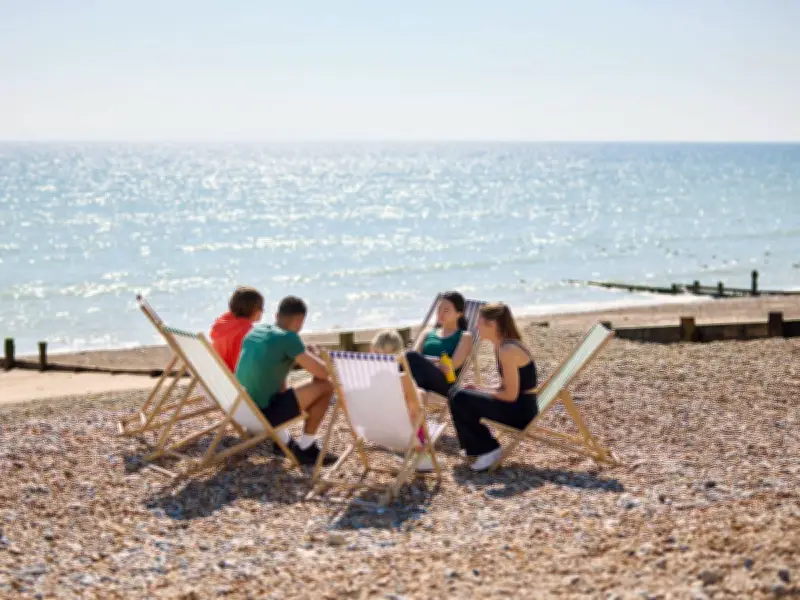
Britons heading to the beach this weekend could face fines of up to £1,000 for taking pebbles, seashells, or sand, under a little-known law that protects the UK's coastline. The warning comes from ecology specialists Arbtech, who remind beachgoers that removing natural materials from beaches is illegal under the Coast Protection Act 1949.
What the Law Says
The Coast Protection Act 1949 prohibits the removal of stones, shells, and sand from UK beaches. This law is enforced by local councils, particularly at popular tourist destinations where the problem has previously occurred. Many visitors are unaware that slipping a pebble into their pocket as a keepsake could result in a penalty of up to £1,000.
Why It Matters
Stones, shells, and even driftwood play a vital role in maintaining coastal ecosystems. Removing them risks causing serious damage, including increased erosion, loss of natural sea defences, and disruption to habitats that many species rely on. Arbtech's Andrew Ward explained: "One person taking a pebble or shell may not seem like much, but when thousands of visitors are doing the same, it can have drastic impacts on the coastal environment. Over time, we could start to see increased erosion, the loss of natural sea defences, and disruption to habitats that many species rely on."

Enforcement and Penalties
Local councils have the authority to enforce this rule, and fines can reach up to £1,000. The Public Spaces Protection Order (PSPO) also allows councils to impose seasonal restrictions on dogs on beaches during peak periods. Standard beach etiquette includes noting flags, avoiding hazardous water conditions, not disturbing wildlife, keeping music at a reasonable volume, and collecting litter.
Expert Advice
Andrew added: "The law is clear and it's not just there to spoil any fun. It's a reminder that beaches are protected for a reason. We all have a role to play in preserving the environment so that it can continue to thrive for generations to come." While gathering seashells may bring back fond childhood memories, these natural treasures are essential for providing microhabitats to local wildlife. Taking a photo is a safer and more affordable way to preserve memories of the UK's coastline.