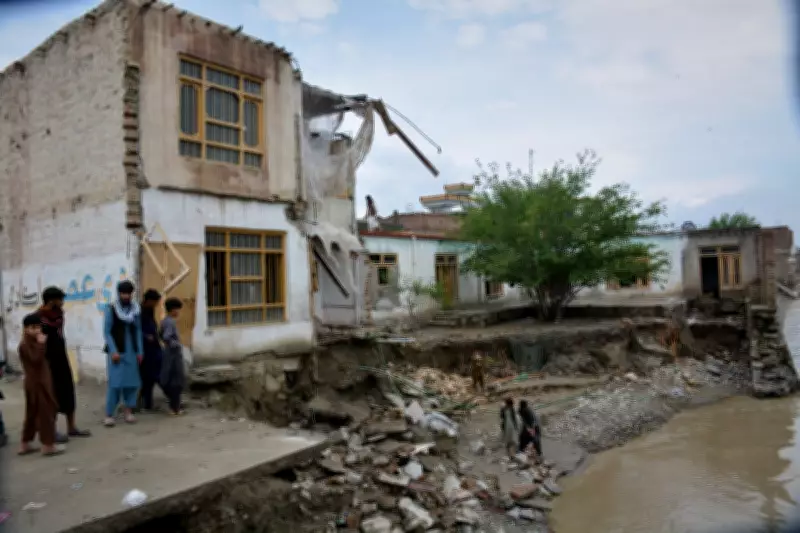
The death toll from severe weather conditions in Afghanistan has risen sharply, with authorities confirming at least 110 fatalities due to widespread flooding and landslides. The Disaster Management Authority reported on Monday that the extreme weather, which began approximately 12 days ago, has impacted most of the country's 34 provinces, leading to significant destruction and displacement.
Rising Casualties and Damage
In the past 24 hours alone, 11 people have lost their lives, and six others have been injured, highlighting the ongoing danger. Additionally, seven individuals are missing, all feared to have been swept away by floodwaters. Over the 12-day period, the combined effects of flooding, landslides, and lightning strikes have resulted in 110 deaths and 160 injuries.
Infrastructure and Property Losses
The devastation extends beyond human casualties, with 958 homes completely destroyed and 4,155 suffering partial damage. Critical infrastructure has been severely affected, including over 325 kilometers (200 miles) of roads rendered impassable. Businesses, agricultural lands, irrigation canals, and freshwater wells have also sustained damage, impacting an estimated 6,122 families. Authorities caution that these figures are preliminary and may increase as assessments continue.

Emergency Response and Warnings
In response to the crisis, the Defense Ministry utilized a helicopter to airlift two stranded individuals to safety in Herat province. However, with more heavy rain forecast, authorities have issued weather warnings for nearly the entire country on Tuesday, urging residents to avoid rivers and flood-prone areas. The persistent storms have forced the closure of two major highways, including the Kabul to Jalalabad route, a key link to the Pakistani border, and the road from Jalalabad to Kunar and Nuristan provinces, due to landslides and falling rocks.
Historical Context and Climate Impact
This tragedy follows earlier extreme weather events this year, where heavy snowfall and flash floods claimed dozens of lives. Afghanistan is particularly vulnerable to such disasters, with snow and heavy rain often triggering deadly flash floods. In 2024, springtime flash floods resulted in over 300 deaths, underscoring the recurring nature of these climate-related challenges. The current situation adds to a pattern of severe weather impacts that strain the nation's resources and resilience.