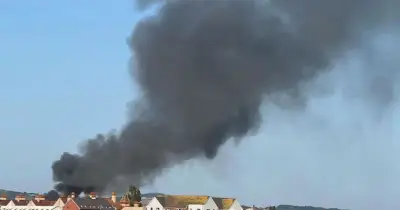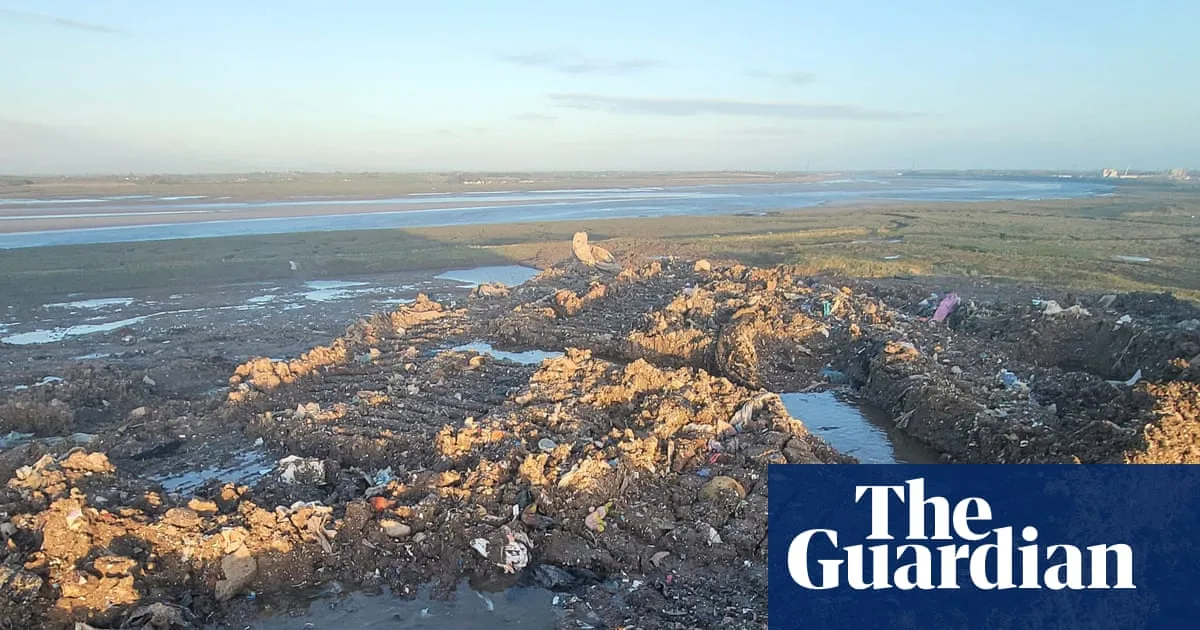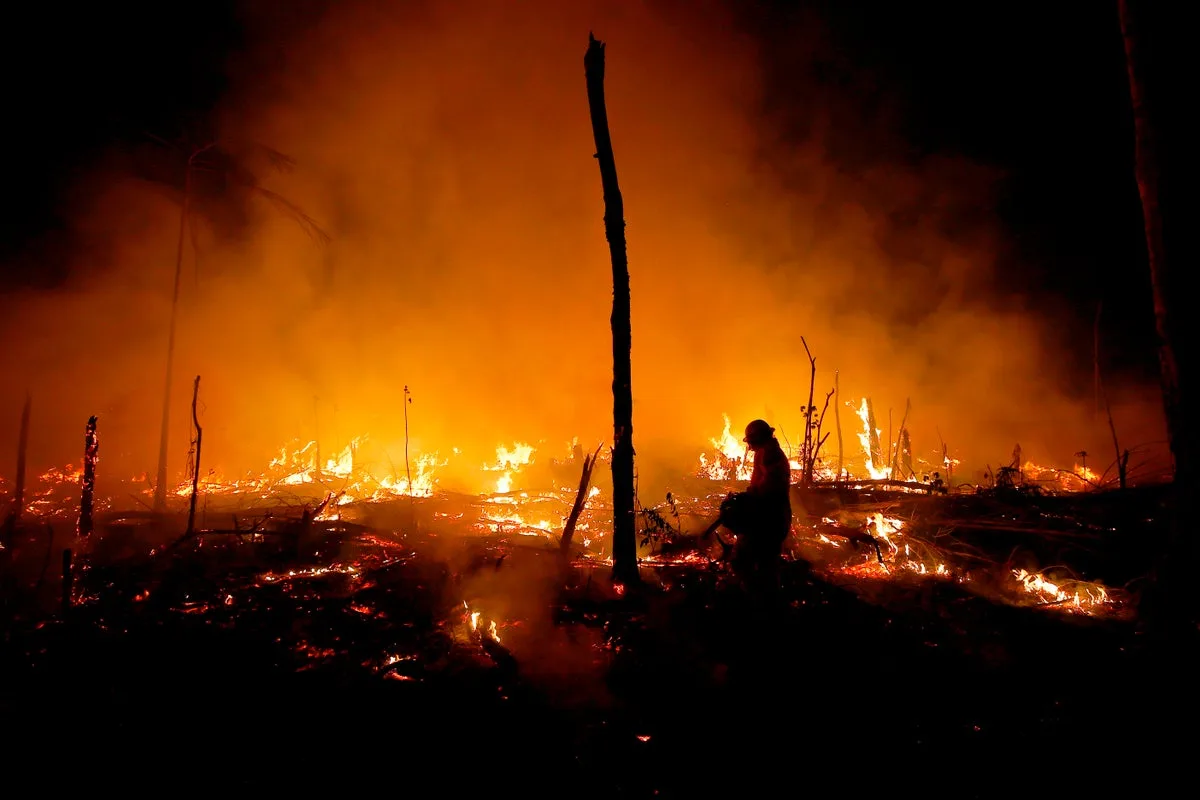
Brazil's President Luiz Inácio Lula da Silva has championed a sharp reduction in Amazon deforestation, with the next annual rate expected to be the lowest since 2012. However, forest degradation—driven by wildfires, logging, and drought—now affects about 40% of the Amazon and has outpaced clear-cutting in recent years, posing a serious threat to the rainforest's health.
Degradation is slower and more subtle than deforestation, but its cumulative impact could push the Amazon toward a tipping point where it can no longer recover, potentially emitting more carbon dioxide than it absorbs. A 2024 study in Nature estimated that by 2050, 10% to 47% of the Amazon could face conditions triggering such a critical shift.
Preliminary data from Brazil's DETER satellite system show that from August 2025 through April 2026, deforestation alerts covered nearly 1,700 square kilometers, while degradation affected about 4,420 square kilometers. During the 2023–2024 El Niño, temperatures rose 2–4°C above historical averages, fueling the worst wildfires in two decades and increasing degradation at roughly three times the rate of deforestation decline.

Experts warn that a degraded forest, while still standing, cannot fully support its ecosystem. Repeated stress from events like El Niño could weaken the forest further. Brazil plans to restore 12 million hectares of native Amazon forest by 2030 under the Paris Agreement, with 3.4 million hectares already recovering. However, a fast-tracked bill in Congress threatens to prohibit IBAMA from imposing sanctions for illegal deforestation based solely on satellite imagery, undermining a key enforcement tool.