In a stark update from the International Union for Conservation of Nature (IUCN), two iconic Antarctic species have been reclassified due to the severe impacts of climate change, highlighting an urgent environmental crisis.
Emperor Penguins: From Near Threatened to Endangered
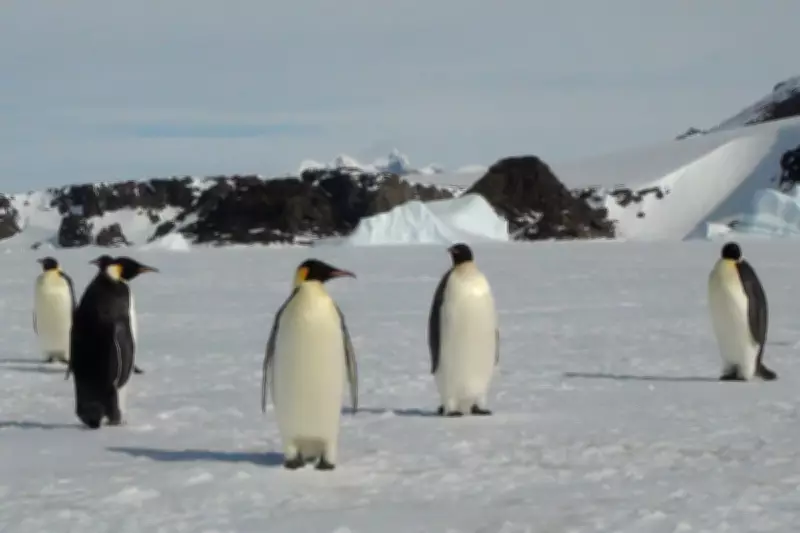
Emperor penguins, the world's largest penguin species, have been moved from a status of "near threatened" to "endangered." This change follows the catastrophic loss of vital sea ice, which these birds depend on for breeding and moulting. In a particularly devastating event, the world's second-largest emperor penguin colony reportedly disappeared overnight, with thousands of chicks wiped out due to the rapid melting of ice shelves.
Antarctic Fur Seals: A Sharp Decline
Similarly, Antarctic fur seals have seen their conservation status shift from "least concern" to "endangered." Their population has plummeted by more than 50 per cent over the past 25 years, primarily due to dwindling krill availability. Rising ocean temperatures, driven by climate change, are disrupting the krill populations that form a crucial part of the seals' diet, leading to widespread starvation and reproductive failures.

Southern Elephant Seals Also at Risk
Adding to the concerns, southern elephant seals have been reclassified from "least concern" to "vulnerable." This decline is largely attributed to outbreaks of bird flu, with fears that disease-related mortalities will increase as global warming alters environmental conditions and spreads pathogens more easily.
Calls for Urgent Action
Conservation assessments by the IUCN underscore the dramatic declines in these species, intensifying calls for immediate measures to curb planet-heating greenhouse gas emissions. Organisations such as BirdLife International and WWF are advocating for rapid decarbonisation of global economies and enhanced monitoring of Antarctic ecosystems. In a proactive step, WWF has proposed that emperor penguins be designated as a "specially protected species" to bolster conservation efforts and mitigate further losses.
The plight of these Antarctic inhabitants serves as a powerful reminder of the broader impacts of climate change on biodiversity, urging policymakers and the public to support sustainable practices and stronger environmental protections.