Australia's ski season is facing significant challenges this year as climate change and the El Nino weather pattern combine to reduce snowfall and increase temperatures across the Australian Alps. Experts warn that the industry may need to adapt to shorter seasons and less reliable snow conditions in the coming decades.
Impact of Climate Change on Snowfall
Research indicates that the Australian Alps have experienced a decline in snow depth and cover over the past several decades. Climate change is projected to continue this trend, with some models predicting a reduction in snow cover of up to 60% by 2050 under high-emission scenarios. This poses a direct threat to the ski industry, which relies on consistent snowfall for its operations.
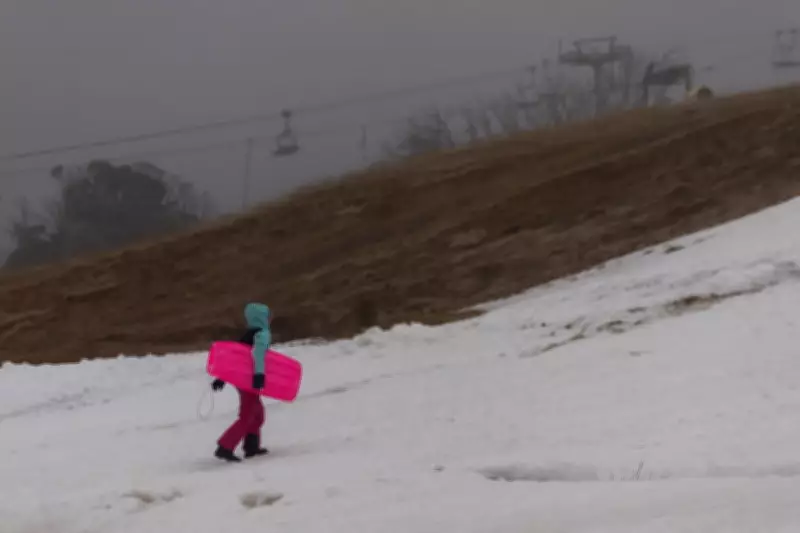
The 2026 season has been particularly affected by the El Nino phenomenon, which typically brings drier and warmer conditions to eastern Australia. This has resulted in below-average snowfall in key resorts such as Thredbo, Perisher, and Falls Creek. Ski lifts have been slow to open, and artificial snowmaking has become increasingly important to maintain ski runs.

Economic and Social Consequences
The ski industry contributes billions of dollars to the Australian economy and supports thousands of jobs in regional areas. A poor ski season can have ripple effects on local businesses, including accommodation providers, restaurants, and equipment rental shops. Additionally, the cultural significance of skiing and snowboarding in Australia is at risk as the sport becomes less accessible.
Communities in the Snowy Mountains and other alpine regions are already feeling the impact. Some resorts have diversified their offerings to include mountain biking and hiking trails to attract visitors during warmer months, but the long-term viability of winter tourism remains uncertain.
Adaptation and Mitigation Strategies
In response to these challenges, ski resorts are investing in snowmaking technology and exploring ways to reduce their carbon footprint. However, these measures may not be sufficient to offset the effects of a warming climate. Scientists emphasize the need for global action to reduce greenhouse gas emissions to preserve alpine environments.
For the immediate future, skiers and snowboarders may need to be flexible with their plans, monitoring snow conditions closely and considering travel insurance that covers cancellations due to lack of snow. The Australian ski season, typically running from June to October, is becoming increasingly unpredictable.