Australia's Coalmine Emissions Increase, Challenging Climate Safeguards
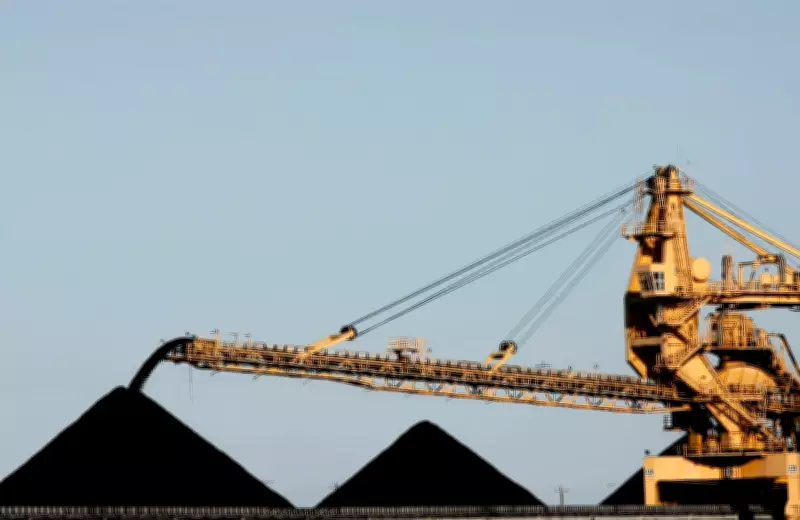
Recent government data has exposed a troubling trend in Australia's climate efforts, with approximately 80% of the nation's coalmines emitting more greenhouse gases than their government-imposed limits during the last financial year. This rise in emissions occurred despite the Albanese government's promises of significant pollution reductions to combat the climate crisis and meet legislated targets.
The Safeguard Mechanism and Its Shortcomings
The coalmines fall under the safeguard mechanism, a policy designed to drive cleaner practices and emissions cuts at about 200 major industrial sites across Australia. Overhauled three years ago, the scheme mandates that most facilities reduce their emissions intensity by 4.9% annually. However, the reality is more complex, as many mines are meeting their obligations not through direct cuts but by purchasing carbon offsets.
Total emissions from coalmines last year were estimated at 31.78 million tonnes, up from 31.63 million tonnes the previous year. This increase would have been even starker if not for the closure of the Grosvenor mine due to a fire. Nearly two-thirds of mines released more emissions than in the prior year, even as their government-imposed limits were lowered.

Reliance on Carbon Offsets Raises Alarms
Scientists and experts warn that relying on carbon offsets is not a viable climate solution. Addressing the climate crisis requires rapid, direct emissions cuts, particularly in reducing fossil fuel use. Offsets, which often involve storing carbon dioxide in forests, are meant for "negative emissions" to draw down existing atmospheric CO2, not as an excuse for expanding fossil fuel operations.
Georgina Woods from the campaign group Lock the Gate criticizes this reliance as "a major structural flaw" in the safeguard mechanism. She argues that allowing fossil fuel companies to depend on land-sector offsets instead of investing in source pollution reduction is a recipe for failure, potentially leading to climate-related disasters and increased living costs for Australians.
Government Response and Industry Actions
Climate Change Minister Chris Bowen defends the policy, stating that total onsite emissions under the scheme have decreased by 3.2 million tonnes, or 2.3%, even without offsets. However, this reduction is partly due to 11 fewer industrial facilities being covered, as only sites emitting over 100,000 tonnes of CO2 annually are included. A direct comparison suggests the actual cut was likely less than 2%.
When offsets are factored in, the overall reduction is about 5.5%, or 7 million tonnes. Major companies like Rio Tinto and Woodside purchased over 1 million carbon credits each, at an estimated cost of $40 million per company. While this imposes a carbon price on pollution, it remains a relatively small expense for multinational corporations.
Future Outlook and Policy Review
The climate consultancy RepuTex notes that large decarbonization initiatives have yet to be adopted at scale due to high costs and long lead times, though this may change as off-grid mines invest in renewable energy and electric machinery. Meanwhile, some coalmines, such as Adani's Carmichael and Glencore's Hail Creek, received millions in carbon credits for emitting below their baselines, even as their pollution increased.
A review of the safeguard mechanism is scheduled for July, though it may be delayed. The Net Zero Commission in New South Wales has warned that the scheme is unlikely to drive the urgent onsite cuts needed, partly due to unlimited carbon credit purchases. As Australia grapples with these challenges, the effectiveness of its climate policies remains under intense scrutiny.