The Bureau of Meteorology has reported that Australia just endured its wettest summer in nearly a decade, with rainfall soaring 32% above the national average. This marks the rainiest season since 2016-17, highlighting a dramatic shift in weather patterns across the continent.
Record-Breaking Heat and Rainfall
Simultaneously, the 2025-26 summer ranked as Australia's eighth-hottest on record, with temperatures 1.1°C above the 1961-1990 average. Climatologist Qian Zhou from the Bureau noted that only one summer in the 20th century was hotter, specifically the 1997-98 season, which was 1.11°C above average. Notably, nine of the ten hottest summers have occurred since 2012-13, underscoring a concerning trend.
South Australia's Extreme Weather Swings
South Australia experienced some of the most severe weather fluctuations, ricocheting from intense heatwaves in January to devastating floods in February. The state recorded its fourth-hottest summer, with temperatures peaking at 50°C in Andamooka on 29 January and Port Augusta on 30 January. During this period, 62 stations nationwide logged their highest-ever daily maximum temperatures between 26 and 31 January.

February brought a deluge, with South Australia's rainfall skyrocketing 356% above average, making it the state's second-wettest February after 2011. Large areas in the north-east saw their highest-ever February rainfall, following an exceptionally dry January. Nationwide, February rainfall exceeded averages in all states and territories except Tasmania, which was 17% lower than usual.
Climate Scientists Warn of Intensifying Extremes
Associate Professor Andrew King, a climate scientist at the University of Melbourne, described the rapid switching between dry and wet conditions as "quite remarkable." He emphasized that Australia's summers are inherently severe weather seasons, but climate change is exacerbating these extremes. "We should be expecting some of these types of extreme weather events to get worse as we continue to warm the planet," King stated. He pointed out that heat and fire weather are worsening, while extreme rain events are becoming more intense in certain regions.
Nighttime Temperatures Hit Historic Highs
Summer nighttime temperatures across Australia were the fifth-warmest on record, with some inland areas of Western Australia and the Northern Territory experiencing their hottest-ever nights based on average minimum temperatures. Notable records include Paraburdoo Aero in WA's north-west, which recorded 35.8°C on 7 January—the highest minimum temperature nationwide this summer. Other locations in New South Wales, Victoria, and South Australia also set new records for warm nights.
Regional Impacts and Future Outlook
Despite the overall wet conditions, some southern areas continued to suffer from rainfall deficiencies, according to Zhou. The Bureau of Meteorology forecasts above-average rain likely to persist during autumn for northern Australia, with drier conditions expected in the south. Warmer-than-usual days and nights are anticipated for most of the country, alongside an increased fire risk for parts of Western Australia, South Australia, New South Wales, and Victoria.
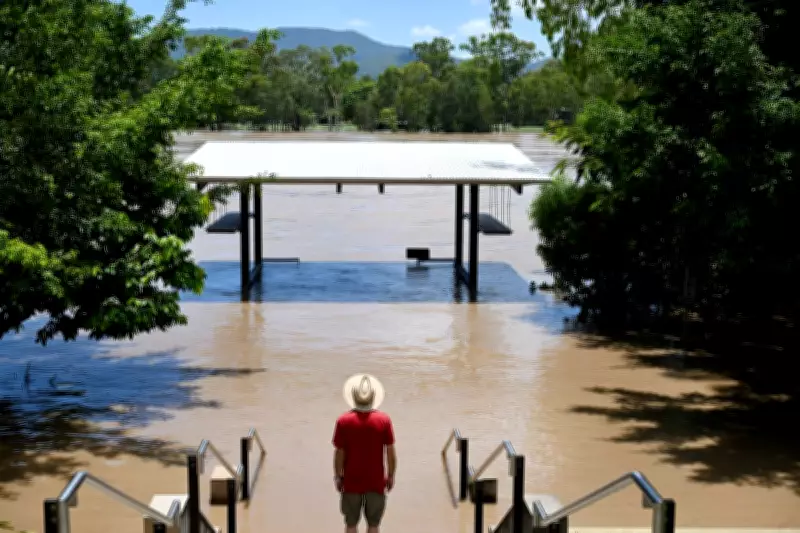
This summer's extremes, from the Fitzroy River flooding parts of Rockhampton in Queensland to the scorching heatwaves, serve as a stark reminder of the growing challenges posed by climate change. As Australia grapples with these shifting weather patterns, the need for robust climate adaptation strategies becomes increasingly urgent.