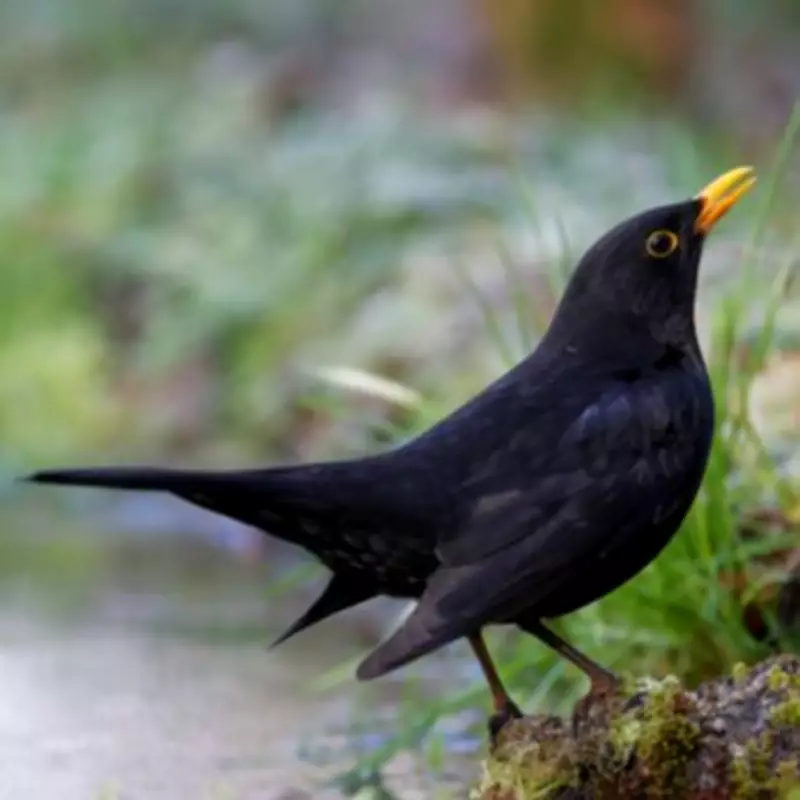
Many British homeowners derive great pleasure from observing the diverse avian visitors to their gardens, from robins in winter to sparrows, blue tits, and blackbirds throughout the year. Annually, millions of pounds are spent on bird feed, with the expectation that filling tables and feeders will attract a wide variety of species to outdoor spaces. However, a leading expert is now urging people to cease this practice entirely, citing three critical reasons why traditional bird feeding may be causing more harm than good.
The Case Against Bird Feeders
Ornithologist Jack Baddams, the wildlife researcher for BBC Springwatch and a lifelong bird enthusiast, argues that dispensing seeds and pellets could be detrimental to our feathered companions. In a detailed Instagram post, Baddams expressed his growing concerns, stating, "It's something I struggle to find myself saying, as I've done it almost all of my life. But over the last couple of years, as I've read more into it, I've become increasingly concerned about the whole thing."
He challenges the common justification for feeding birds—that humans have removed natural habitats and must replace food sources—by questioning why the replacement is something so unnatural. "Think about it for a second," he said. "There is nothing in nature like a bird feeder. Nothing that condenses entire local populations, of multiple different species, into a small space for a never-ending supply of food."

Three Key Reasons to Stop
In a video accompanying his post, Baddams outlined three primary issues with bird feeders, as reported by the Express.
Spread of Disease: Baddams highlighted the long-known but inadequately addressed risk of disease transmission. He pointed to the 2005 outbreak of trichomonosis, which jumped from pigeons to greenfinches at feeders, leading to a 66% decline in the greenfinch population and the loss of around three million birds. "When it got into greenfinches, it was absolutely lethal," he explained, noting that greenfinches are now on the red list. A similar pattern is emerging with chaffinches, whose numbers have plummeted by roughly 40% in just over a decade.
While cleaning feeders is beneficial, Baddams cautioned that it is insufficient. "All you need to do is hang this back out, and within five minutes, if a diseased bird lands on it and starts feeding from it again, that disease risk is there for every other bird that comes to that feeder before you get around to cleaning it again," he said.
Environmental Impact of Food Production: The UK spends approximately £250 million annually on bird food, purchasing around 150,000 tons. Baddams questioned the sustainability of this practice, noting that producing such quantities requires extensive agriculture, often involving pesticides to maximize yields. Additionally, many popular feed varieties, like sunflower hearts from mainland Europe or peanuts and Niger seed from Africa and Asia, travel considerable distances before reaching British shores, raising concerns about carbon footprints and ecological sense.
Unequal Benefits to Bird Species: Baddams explained that not all birds benefit equally from feeders, which can disrupt natural competition. Species like blue tits and great tits, which are aggressive and competitive, thrive on artificial food, potentially raising their populations at the expense of more specialist species. For example, willow tits or pied flycatchers, which rely on natural resources like insects or nest holes, may struggle to compete. "The worry is that as we raise their population so much, thanks to all of that artificial food that we're putting out there, it's making it harder for some of those more specialist species that can't make use of that food in the same way to compete against them and survive," he said.
Alternative Approaches for Bird Lovers
Baddams emphasized that stopping bird feeding does not mean ceasing to help birds altogether. Instead, he advocates for evolving our approach to focus on creating natural ecosystems in gardens. "We need to think about how we can build ecosystems in our gardens, and not just fast food restaurants," he commented.
He offered several practical tips for gardeners to support birds safely and sustainably:

- Grow Seed-Producing Plants: Cultivate plants like sunflowers, teasels, scabious, and cornflowers, which produce seeds for birds to eat. These also attract pollinators and add aesthetic value to gardens.
- Plant Native Hedges, Bushes, and Trees: Choose species that produce fruits, berries, nuts, and seeds for birds. These plants provide habitats for insects, which serve as natural food sources, and offer nesting sites.
- Create a Pond: Whether a full-sized pond in the ground or a container-pond on a patio, water features attract insect life for birds to feed on and provide a more natural source of water, enhancing local biodiversity.
By shifting focus from artificial feeders to natural habitats, gardeners can help protect bird populations from disease and support a healthier, more balanced ecosystem. Baddams's call to action encourages a rethink of traditional practices in favor of sustainable wildlife conservation.