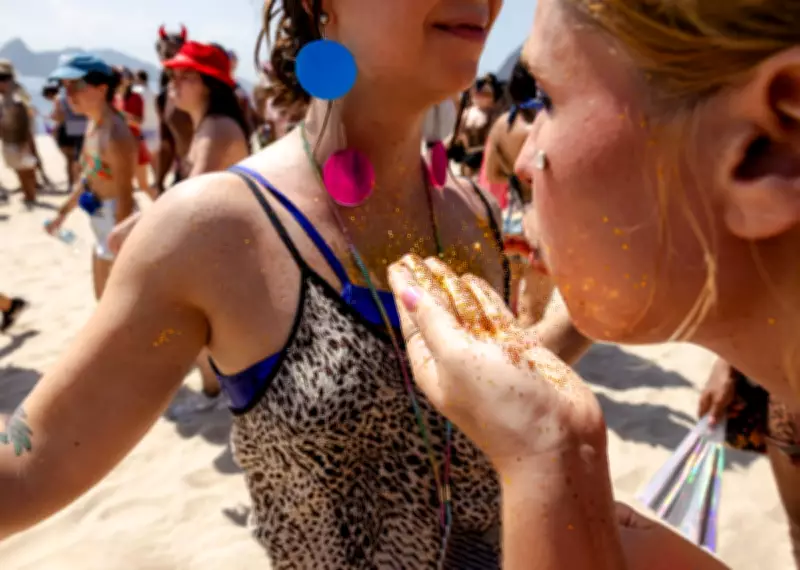
Brazil Enforces Glitter Ban at Rio Carnival to Tackle Microplastic Pollution
In a significant environmental move, Brazil has officially banned the use of glitter during the iconic Rio Carnival. This decision aims to combat the growing issue of microplastic pollution on the country's beaches, which has raised serious health and ecological concerns. The ban targets the tiny plastic particles in glitter that often wash into oceans, harming marine life and potentially entering the human food chain.
Environmental and Health Impacts of Glitter at Festivals
The glitter ban comes as part of broader efforts to address plastic waste, particularly from large-scale events like Carnival. Studies have shown that microplastics, including those from glitter, accumulate in coastal areas, posing risks to wildlife and human health. By prohibiting glitter, authorities hope to reduce plastic contamination in Rio de Janeiro's famous beaches, such as Copacabana and Ipanema, which see millions of visitors during the festivities.
This measure aligns with global trends to curb single-use plastics, as glitter is a common pollutant that persists in the environment for years. Environmental groups have praised the ban, noting that it could set a precedent for other festivals worldwide to adopt similar eco-friendly practices.

Implementation and Public Response to the Glitter Prohibition
Local officials are enforcing the glitter ban through public awareness campaigns and inspections during Carnival events. Alternatives like biodegradable glitter made from plant-based materials are being promoted to maintain the festive spirit without the environmental harm. While some revelers have expressed disappointment, many support the initiative as a necessary step towards sustainability.
The ban also highlights the broader challenge of microplastic pollution in Brazil's coastal regions, where tourism and urban development exacerbate waste issues. By targeting a visible source like glitter, the government aims to raise awareness about the need for stricter regulations on plastic products.
- Glitter particles contribute to microplastic pollution in oceans.
- Ban aims to protect marine ecosystems and public health.
- Biodegradable alternatives are encouraged for Carnival attendees.
- This action could inspire similar bans at global festivals.
Overall, Brazil's glitter ban represents a proactive approach to environmental protection, balancing cultural traditions with ecological responsibility. As the world grapples with plastic pollution, such measures are crucial for preserving natural habitats and ensuring a healthier future.