Relentless Sun and Ruthless Populists: How Climate Change Will Transform the Next Two Decades
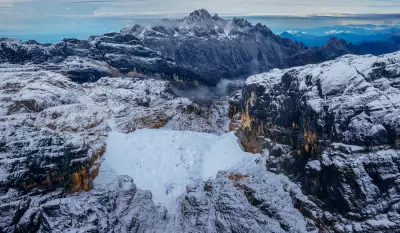
After a diplomatic career spanning war zones in Afghanistan, Iraq, and Yemen, Arthur Snell never anticipated a near-death experience on a holiday. Yet, a close encounter with a falling boulder while climbing in the Swiss Alps brought his personal and professional insights into sharp focus. He realised that the mountains he cherished were growing unstable due to climate change, and if physical geography influences state power, as geopolitical theory suggests, a heating planet is dislodging more than just rocks.
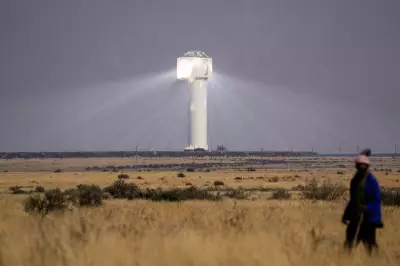
"You witness conflicts and assume they revolve around religious ideologies or oil access, but beneath it all, a longer-running trend is gaining significance," explains Snell, who left the UK Foreign Office in 2014 and now hosts the podcast Behind the Lines. This realisation inspired his new book, Elemental, which explores how the climate crisis, threatening the planet's ability to sustain life, fuels conflicts from drought-ridden Africa to a thawing Arctic, while also driving the rise of far-right populism in Europe and the US. "It resembles rising damp in a house – unseen but altering everything," he notes.
A World in Flux: Power Shifts and Natural Resources
Snell's narrative depicts a world in transition, where superpowers confront new vulnerabilities and smaller nations find their natural resources – from habitable land to minerals essential for renewable energy – unexpectedly coveted. Greenland, for instance, has discovered that such demand can be both a blessing and a curse. What makes these power shifts particularly disruptive, Snell argues, is their unprecedented pace. "Typically, we might say world maps change over millions of years, but now it's happening within a normal human lifespan, intensifying geopolitical tensions," he observes.

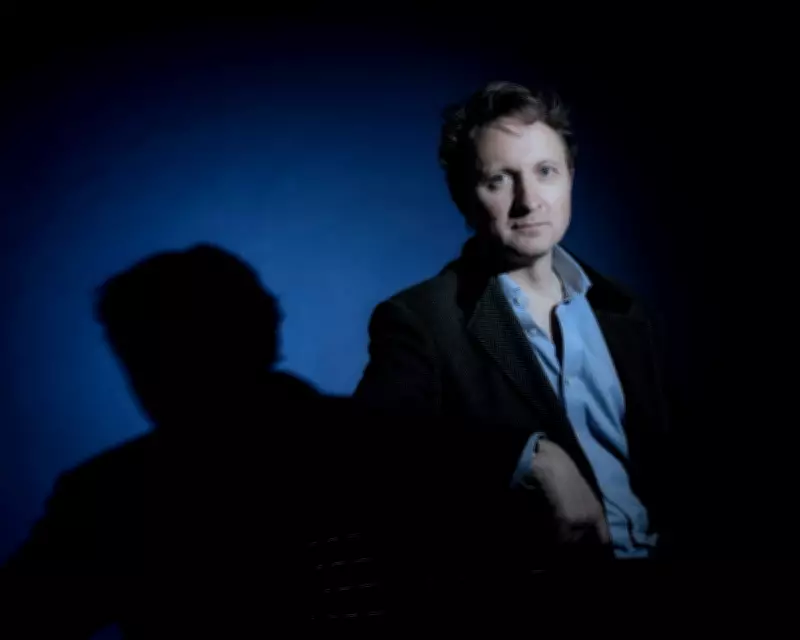
At 50, Snell appears remarkably composed while outlining apocalyptic scenarios, perhaps due to his experiences in global hotspots. After studying history at Oxford, he joined the Foreign Office, serving in security-critical regions like Africa and the Middle East, including a 2010 role as deputy head of a reconstruction team in Helmand, Afghanistan. His final posting as high commissioner in Trinidad and Tobago was less glamorous than it sounds, involving tasks like cleaning gutters, a far cry from the swishing diplomat stereotype.
Migration, Conflict, and the Rise of Populism
Snell, not a climate scientist or activist, adopts a pragmatic diplomat's perspective: since halting temperature rises has failed, we must engage with the consequences. He rejects fatalism, emphasising that while some will tragically perish, most will endure, necessitating thoughtful planning. His book includes alarming statistics on future food scarcity, though he avoids specific numbers due to unknowns like agricultural adaptation. However, he predicts intensified competition for productive land, potentially spurring new mass migration patterns – not just from poor to rich nations, but sometimes in reverse.
In the US, wildfires in Los Angeles, hurricanes in Florida, and extreme heat in Texas are making climate change harder to ignore, with some residents facing denied home insurance. Snell suggests this could lead Americans moving north, revitalising cities like Detroit, but potentially straining relations with Canada. He notes that climate sceptic Donald Trump seems oddly attuned to opportunities in a thawing north, where navigable Arctic waters might open new trade routes and spark conflicts over resources.
Global Hotspots and Democratic Challenges
Snell highlights China, where wet-bulb temperatures in Beijing regions could become unbearable, and Russia, whose thawing tundra might attract economic migrants. He foresees Russia emerging stronger from the crisis, possibly as an economic vassal to China. Conversely, Gulf nations like Saudi Arabia face catastrophe as oil demand wanes and liveability declines, potentially triggering unrest with global repercussions.

In Europe, Snell links climate-induced migration from regions like the Sahel in Africa to rising populism, as even small numbers of refugees destabilise governments. He describes a new age of empire, with powers like the US and China exploiting smaller countries for survival resources, while democracies struggle to secure public consent for necessary sacrifices. "Current liberal democracies seem to be failing amidst intense 24/7 pressures," he warns, citing vulnerabilities to shocks like food-price inflation.
Britain's Role and Future Optimism
For Britain, Snell believes the country might avoid worst-case climate scenarios but criticises inadequate planning, noting a lack of new water reservoirs for decades. He dismisses the special relationship with the US as a nostalgic delusion and questions the government's preparedness under potential Trump leadership. Despite this, Elemental finds hope in initiatives like solar arrays in African deserts and international cooperation on water and renewable energy. "The crisis forces collaboration, with few nations denying its reality," Snell concludes optimistically, reflecting the title of his Substack newsletter: Not All Doom.