Colorado Meadow Experiment Reveals Alarming Climate Impact on Ecosystems
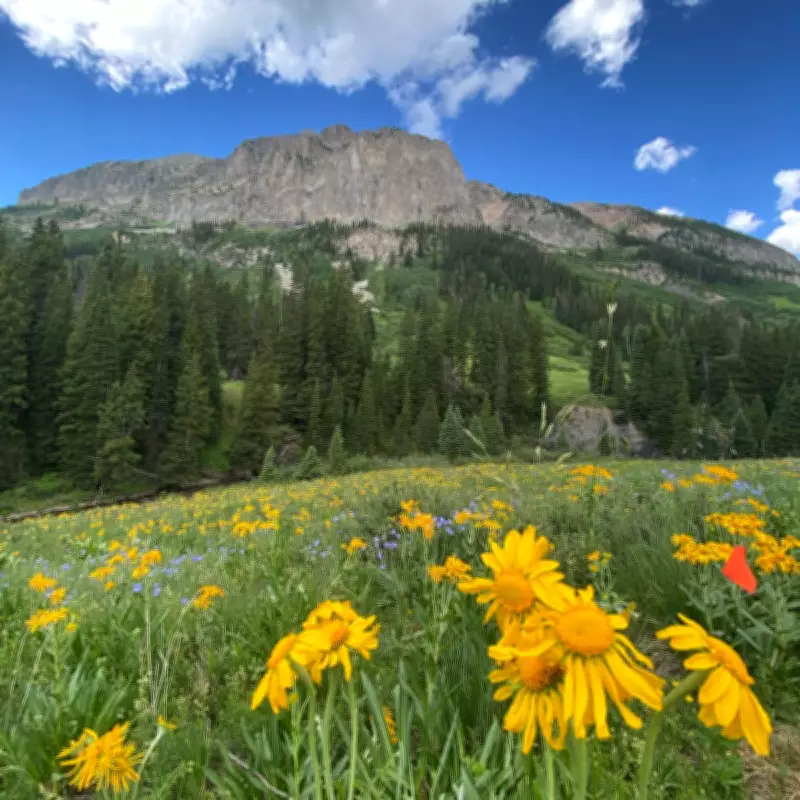
A long-running scientific experiment in the Rocky Mountains of Colorado has provided a stark glimpse into the future of fragile ecosystems under global heating. Since 1991, researchers have artificially warmed meadow plots by 2 degrees Celsius, observing a rapid transformation from lush grasslands to desert-like scrubland, with profound implications for biodiversity worldwide.
The Experiment's Startling Findings
Initially, scientists hypothesized that increased temperatures might lead to longer and more abundant grasses. Instead, over 29 years, they documented a 150% increase in shrubs in heated plots compared to control areas. Wildflowers such as corn lilies and sub-alpine larkspur began to disappear, with some species going extinct in the warmed environments. The soil surface dried by up to 20%, stressing shallow-rooted plants and altering soil fungi communities.
Lead researcher Lara Souza from the University of Oklahoma described the changes as "a sign of things to come," noting that the meadows could vanish entirely if warming reaches 2C above pre-industrial levels. The study, published in the Proceedings of the National Academy of Sciences, highlights how "shrubification" is not only a local issue but a global phenomenon affecting mountain and Arctic regions.

Global Implications of Shrubification
This transformation extends beyond Colorado. In the Arctic, shrub cover has expanded by 2.2% per decade in the western Canadian Arctic from 1984 to 2020, driven by rising summer temperatures. Sarah Dalrymple, a conservation ecologist at Liverpool John Moores University, explains that "global heating is lifting restrictions to plant growth in cold ecosystems," leading to transitions from grasslands to shrubs and eventually trees.
While shrubs may provide shelter for wildlife, their spread accelerates permafrost melting and carbon emissions, exacerbating climate change. Dr. Patrick Möhl from Lancaster University warns that alpine grasslands, which host unique plant species found nowhere else, are at risk of being replaced by forests, resulting in significant biodiversity loss.
The Invisible Changes Below Ground
The experiment also revealed critical shifts in soil ecosystems. Heated plots showed a decline in fungi that aid nutrient acquisition for plants and an increase in decomposers. Souza emphasized that "when you have a big change above ground, you've likely got a big change below ground," making reversal of these effects highly unlikely. These changes disrupt delicate balances maintained for thousands of years, threatening the stability of entire ecosystems.
A Call to Action
Researchers stress that shrubification is a symptom of uncontrolled carbon emissions, not the cause. Dalrymple notes that "it's alarming to see this process happening so quickly," with impacts on the carbon cycle and biodiversity far exceeding earlier projections. The study serves as a urgent reminder of the need for global climate action to preserve these irreplaceable landscapes.
Despite the grim outlook, Souza remains captivated by the beauty of the meadows, describing them as "like flowers on steroids." Yet, this admiration is tempered by sadness for the impending transformations, underscoring the fragility of our planet's ecosystems in the face of rapid climate change.