Invasive Coconut Rhinoceros Beetle Detected on Molokaʻi and Maui
State officials in Hawaii are conducting urgent surveys on the islands of Maui and Molokaʻi following the discovery of the highly invasive coconut rhinoceros beetle. Residents near detection sites have been asked to inspect palm trees for signs of damage, as this pest poses a severe threat to local ecosystems and agriculture.
First Detection on Molokaʻi and Rediscovery on Maui
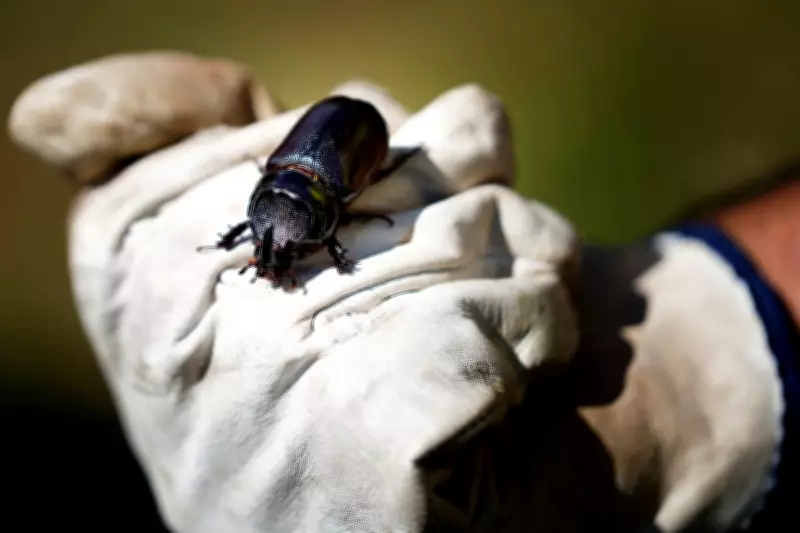
The suspected detection of a male beetle near Kaunakakai Harbor on Molokaʻi marks the first time this invasive species has been found on the island. Based on photographic evidence, the Department of Agriculture and Biosecurity has identified it as likely being a coconut rhinoceros beetle, with the specimen sent to Oʻahu for official confirmation.
On Maui, a single dead adult beetle was collected by the Maui Invasive Species Committee from a detection trap at Kahului Airport on April 1. This sighting is the first official one since November 2023, highlighting the persistent threat of this pest across the Hawaiian islands.

Resident Concerns and State Response
Residents on Molokaʻi had petitioned the state Department of Agriculture and Biosecurity over six months ago for enhanced protections against the beetle. This led to the implementation of strict regulations on importing products such as mulch, aimed at preventing the spread of the pest.
Dean Matsukawa of the Department of Agriculture and Biosecurity acknowledged a delay in public notification, attributing it to the recent departure of a public information officer. He emphasized the need for coordinated efforts to avoid chaotic responses, stating, "so we weren’t tripping each other like Keystone cops."
Threat to Palm Trees and Crops
The coconut rhinoceros beetle is notorious for its destructive feeding and breeding habits. It primarily targets palm species, especially coconuts, by boring into their hearts and killing them. The beetle also breeds in compost and green waste, with the ability to fly up to 2 miles daily. Additionally, it has been known to attack culturally important crops like kalo (taro) and banana.
If not contained, this voracious scarab beetle could decimate coconut palms on both Molokaʻi and Maui, which are vital as food sources and cultural symbols for residents.
Legislative and Community Actions
In response to the threat, Molokaʻi Rep. Mahina Poepoe introduced House Bill 1929 this year to establish an advisory board for the island. This board, composed of residents, would work with state biosecurity staff to develop a dedicated biosecurity plan, including the creation of a quarantine facility for secondary inspections of incoming goods. The bill has cleared the Senate Ways and Means Committee and remains active in the current legislative session.
Wayne Tanaka of the Hawaiʻi Sierra Club stressed the urgency of a swift state response, warning that if beetle populations reach the hundreds, eradication efforts could become futile. He described the detections as "incredibly alarming" for the entire state.
Ongoing Surveys and Public Vigilance
On Maui, personnel from the Maui Invasive Species Committee and the agriculture department are conducting surveys and deploying additional detection traps. Residents, businesses, and landowners within a 2-mile radius of Kahului Airport have been urged to check coconut palms and other large palms for feeding damage.
A similar response is underway on Molokaʻi, with residents near Kaunakakai Harbor asked to inspect palms and report green waste piles that could harbor the beetles. The public is also encouraged to remain vigilant when purchasing or moving mulch, compost, and soil products, avoiding items with damaged packaging.
Challenges in Biosecurity Efforts
Despite over $20 million in additional funding appropriated in 2024, the Department of Agriculture and Biosecurity faces challenges, including staff shortages and communication issues. Molokaʻi Sen. Lynn DeCoite expressed frustration, stating, "I have really no faith in where we’re going with biosecurity. We can’t help them if they’re not communicating."

Legislators have raised concerns about the agency's relationship with regulated agricultural groups, such as the nursery industry, which is known to be a key spreader of pests. The department is sending staff to Molokaʻi to assist, as there are no biosecurity personnel based on the island.
The detection of the coconut rhinoceros beetle on Molokaʻi and Maui underscores Hawaii's ongoing struggle with invasive species, emphasizing the need for robust biosecurity measures and community involvement to protect the islands' natural and agricultural resources.