Country Diary: The Field Where Spring Happens First
In the heart of the British countryside, there exists a remarkable field where spring arrives before anywhere else in the region. This unique location, often overlooked by casual observers, serves as an early indicator of the changing seasons, offering a glimpse into the intricate workings of nature.
Ecological Significance of the Early Spring Field
The field's microclimate, shaped by its topography and soil composition, creates conditions that foster premature growth. Scientists and naturalists have noted that this area experiences warmer temperatures and receives more sunlight during the late winter months, allowing flora and fauna to awaken weeks ahead of surrounding areas.
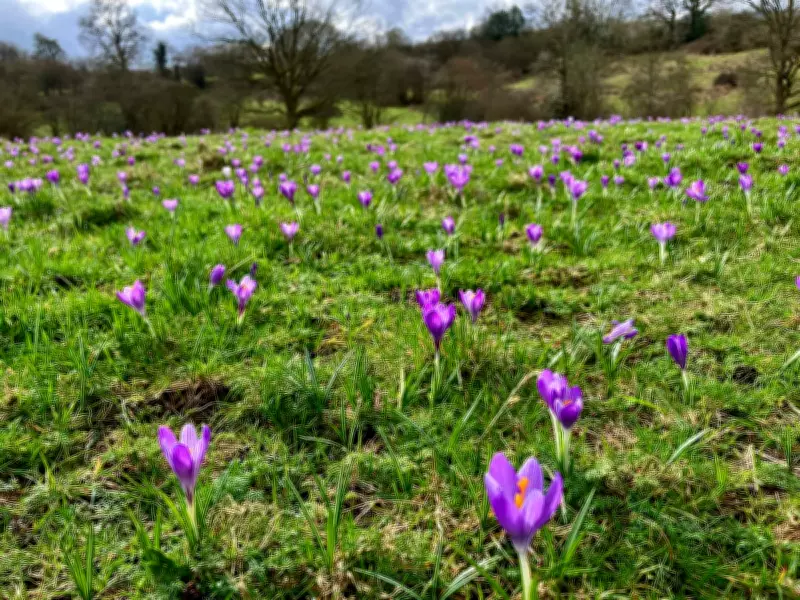
Key species such as snowdrops, primroses, and early-emerging insects like bumblebees are often spotted here first, signaling the onset of spring. This phenomenon not only delights wildlife enthusiasts but also provides valuable data for ecological studies on climate patterns and seasonal shifts.

Observations and Natural Phenomena
Regular visitors to the field report a symphony of sights and sounds as spring unfolds. The air fills with the gentle hum of pollinators, while the ground becomes carpeted with vibrant wildflowers. Bird species, including robins and blackbirds, are observed nesting earlier here, taking advantage of the abundant food sources.
- Early blooming of native plants
- Increased activity among insects and birds
- Subtle changes in soil temperature and moisture levels
These observations highlight the field's role as a natural barometer for seasonal changes, offering insights into how ecosystems adapt to environmental variations.
Implications for Conservation and Climate Awareness
The early spring field underscores the importance of preserving such unique habitats. Conservationists emphasize that protecting these areas can help monitor climate change impacts, as shifts in seasonal timing may indicate broader environmental trends. Public awareness campaigns often use this field as a case study to promote biodiversity and sustainable land management practices.
By documenting and sharing these natural occurrences, communities can foster a deeper appreciation for the UK's diverse landscapes and the delicate balance of its ecosystems.