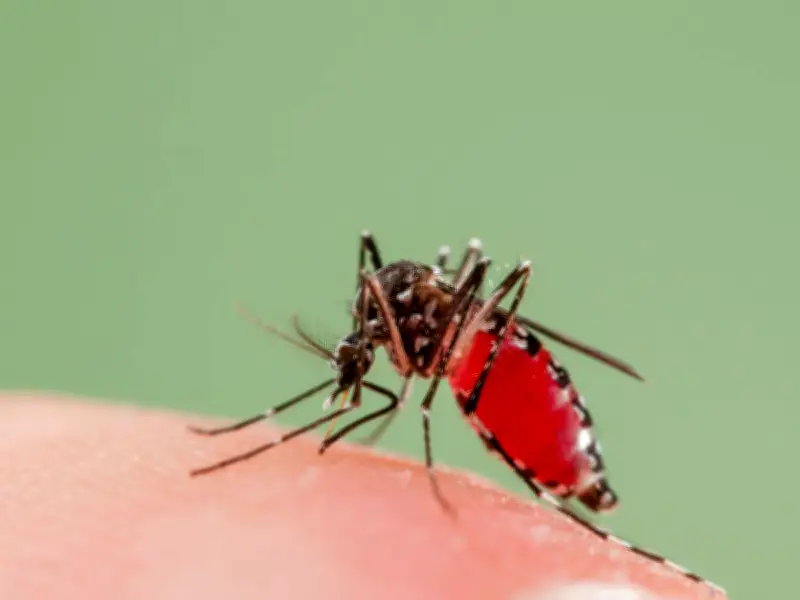
Washington DC is releasing 600,000 non-biting male mosquitoes into the city as the United States faces one of its earliest and most severe West Nile virus seasons on record. The male mosquitoes, which do not bite humans, carry a sterilizing gut bacterium called Wolbachia. They are deployed to mate with biting females, rendering the females infertile so their eggs never hatch, thereby controlling the mosquito population that spreads the virus.
Unprecedented West Nile Season
The US Centers for Disease Control and Prevention (CDC) confirmed at least 48 cases of West Nile virus as of June 30, 38 of which were severe. Since 2004, the average number of cases reported to the CDC by the end of June is around 10. Federal health officials reported that 23 states have found West Nile virus, the most in a decade. Scientists estimate that tens of thousands of people may be infected annually without knowing it, as many experience no symptoms or only mild ones such as headaches, body aches, joint pain, vomiting, diarrhea, and rashes. In severe cases, the virus can cause potentially deadly inflammation of the brain or spinal cord, with adults over 60 and those with underlying medical conditions or weakened immune systems at highest risk.
How the Sterile Mosquitoes Work
The Maryland company Bee Safe Mosquito Control is releasing the non-biting males, known as “ZAP males,” in Washington. “When they mate with the female, they actually cause that female to then become infertile for the rest of her life,” Todd Montgomery, owner of Bee Safe Mosquito Control, told WTOP. “She’s going around laying eggs that will never hatch.” The ZAP males specifically target the Asian Tiger mosquito, a common species in Washington that can also spread other diseases like encephalitis, dengue, and yellow fever.

Proven Technique
This sterilization method has been successfully used in other countries across South America, as well as in Singapore and Australia. “The tiger mosquito is a non-native invasive species, so removing it will not have a negative impact on the ecosystem,” the company states on its website. Health officials are also urging the public to use bug spray and support mosquito-control efforts to mitigate the outbreak.
Historical Context
West Nile virus was first reported in the United States in 1999 in New York and gradually spread across the country. It peaked in 2003, when nearly 10,000 cases were reported. The current surge marks the highest number of cases at this point in the year since then, prompting aggressive intervention.