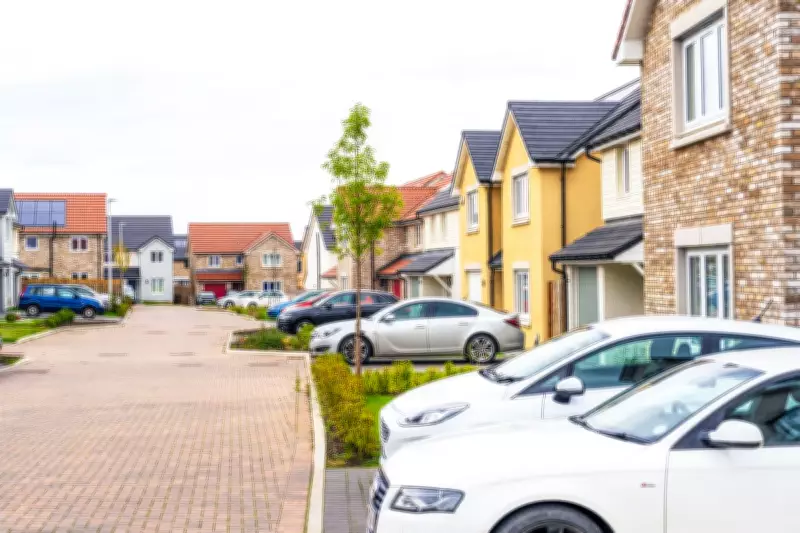
The Driveway Redesign That Could Protect Your Home From Flooding
As winter storm seasons intensify across the United Kingdom, homeowners are facing unprecedented flood risks. New research reveals a startling trend that's exacerbating this vulnerability: the rapid paving over of front gardens for driveways and parking spaces.
The Concrete Crisis in UK Gardens
According to comprehensive data analysis, approximately 54 percent of front gardens in the UK have now been completely or partially covered with concrete or other impermeable surfaces. This represents a significant increase from just 46 percent recorded in 1991, indicating an accelerating trend that's transforming the urban landscape.
This transformation comes with serious consequences for flood management. Gardens traditionally function as natural drainage systems, absorbing rainwater and preventing surface runoff that overwhelms drainage infrastructure during heavy storms. With each paved garden, the UK loses another piece of its natural flood defense network.

Why Gardens Matter in Flood Prevention
Urban green spaces – including private gardens, public parks, roadside verges, and urban woodlands – serve multiple critical functions in climate adaptation:
- They act as natural sponges, absorbing and slowing rainwater to prevent flash flooding
- Plant roots create pathways for water to infiltrate deeper soil layers
- Vegetation releases water vapor through transpiration, cooling urban areas during summer heatwaves
- Green spaces help purify water by filtering pollutants before they reach waterways
The statistics are compelling: in heavily built-up urban areas, approximately 55 percent of rainfall becomes surface runoff that can potentially enter homes. In contrast, green areas experience only about 10 percent runoff, with the remaining 90 percent being absorbed by soil and vegetation.
The Growing Flood Threat
Climate change is creating a perfect storm for urban flooding across the UK. More intense rainfall events combine with increasing soil sealing from garden paving to create heightened flood risks. Already, at least one in six people in the UK lives in areas vulnerable to flooding, and insurance claims related to extreme weather events continue to rise annually.
A recent Royal Horticultural Society report, launched on October 30, quantified the scale of the problem. UK front gardens now contain approximately 89,000 hectares of paved or concreted space, compared to only 73,500 hectares of planted areas. This represents a significant imbalance that reduces natural drainage capacity across urban landscapes.
Why Homeowners Are Paving Over Gardens
Several practical considerations drive the trend toward paved gardens:
- The need for off-road parking spaces for family vehicles
- Creating flat surfaces for waste bins and other household items
- Simplified maintenance compared to planted gardens
- The growing adoption of electric vehicles requiring charging points close to homes
This last factor presents particular challenges, as electric vehicle charging often requires additional paving near houses to accommodate charging infrastructure.
Innovative Solutions for Modern Driveways
Experts emphasize that practical needs don't have to conflict with environmental protection. Several innovative approaches allow homeowners to maintain parking functionality while preserving natural drainage:
Permeable paving systems represent one promising solution. These specially designed lattice-framed blocks can support vehicle weight while allowing plants to grow through gaps, maintaining drainage capacity. Alternatively, gravel pathways and drives provide access while creating opportunities for planting around edges.
Rain gardens offer another sophisticated approach. These specially designed garden areas capture runoff from roofs, driveways, and other surfaces, allowing water to slowly infiltrate into the ground. They simultaneously purify water by filtering pollutants through soil and plant roots.

Many attractive garden designs now incorporate gravel and scree surfaces that support colorful, drought-resistant plants while providing habitat for pollinating insects and birds. These designs prove that functional driveways can also be aesthetically pleasing and ecologically valuable.
The Path Forward for Urban Resilience
As climate change intensifies rainfall patterns across the UK, rethinking driveway design becomes increasingly urgent. Retaining good plant coverage in gardens and maintaining open soil for water infiltration represent significant factors in reducing urban flooding risks.
Most homeowners understandably want convenient vehicle access, but experts argue we need greater imagination in how we accommodate cars. Driveways don't need to be sterile concrete spaces – they can incorporate permeability, plants, and better design while simultaneously reducing flood risks for entire communities.
The challenge now lies in raising awareness about these alternatives and encouraging their adoption through both individual choices and supportive planning policies. As winter approaches with its heightened flood risks, the time for rethinking our relationship with driveway design has never been more pressing.