El Niño weather patterns are wreaking havoc on Australia's environment, intensifying the climate crisis with severe droughts, wildfires, and ecosystem disruptions. In a recent podcast episode from The Guardian, experts delve into the multifaceted impacts of El Niño on Australia's landscapes, agriculture, and communities.
Understanding El Niño's Role in Australia's Climate
El Niño, a natural climate phenomenon characterized by warming ocean temperatures in the Pacific, significantly alters weather patterns globally. For Australia, it typically brings drier conditions, particularly in eastern regions. This year, the effects are exacerbated by the underlying climate crisis, leading to more extreme and prolonged events.
Drought and Water Scarcity
The lack of rainfall during El Niño events exacerbates drought conditions, stressing water supplies for cities and farms. Reservoirs dwindle, and irrigation becomes challenging, threatening food production and livelihoods. The podcast highlights that rural communities are already facing water restrictions and crop failures.

Wildfires and Ecosystem Stress
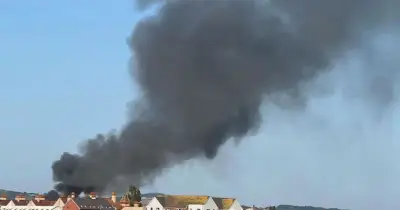
Dry vegetation and high temperatures increase the risk of bushfires. The 2019-2020 Black Summer fires were partly linked to El Niño, and similar conditions are emerging. Native wildlife, such as koalas and kangaroos, struggle to find food and water, while fragile ecosystems like the Great Barrier Reef face additional stress from heatwaves.
Economic and Social Consequences
The economic toll is substantial, with agriculture, tourism, and insurance sectors bearing the brunt. Farmers face reduced yields, while firefighting costs soar. Socially, mental health issues rise among affected communities, and indigenous groups see their cultural practices threatened by environmental changes.
Mitigation and Adaptation Strategies
Scientists and policymakers are urging for enhanced climate resilience. Investments in water-efficient technologies, early warning systems for fires, and sustainable land management are critical. The podcast emphasizes the need for global action to reduce emissions, as El Niño events are likely to become more severe with a warming planet.
In conclusion, El Niño serves as a stark reminder of the interconnectedness of natural phenomena and human-induced climate change. Australia's experience underscores the urgent need for comprehensive adaptation and mitigation efforts to safeguard its unique environment and communities.