Forever Chemicals Found in Honeybee Colonies Pose Severe Threat to Food Security
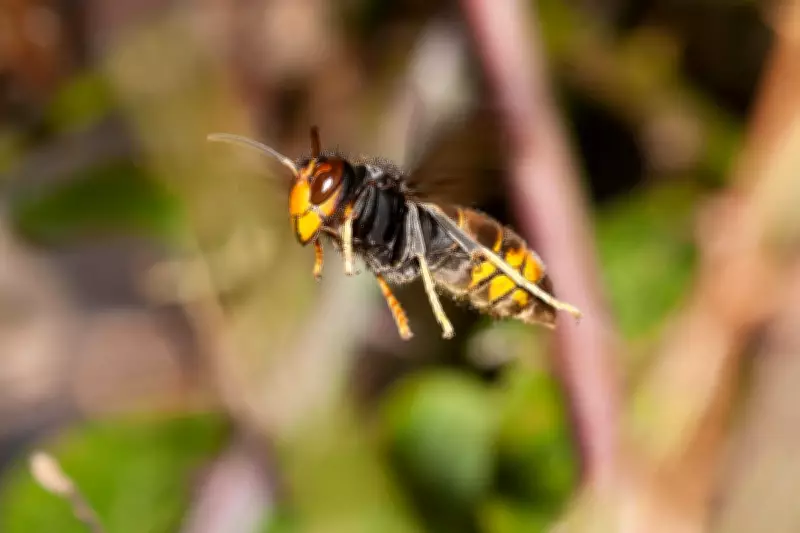
Australian researchers have issued a stark warning that toxic "forever chemicals," specifically PFOS, are accumulating in honeybee colonies and transferring to their honey, creating a significant risk to global food security and human health. A groundbreaking new study reveals that prolonged exposure to PFOS alters protein expression in European honeybees, resulting in notably lower body weight among juvenile bees. This discovery underscores a critical environmental and agricultural crisis that could have far-reaching consequences.
Impact on Bee Health and Colony Sustainability
The study indicates that PFOS may also degrade the quality of royal jelly, a vital substance used to feed larvae within the hive. This potential compromise threatens the development of future generations, thereby endangering the overall health and stability of entire bee colonies. The decline in bee populations, driven by PFOS contamination, is poised to severely diminish the pollination of essential agricultural crops. This reduction could drastically impact the production of fruits, vegetables, and other key food sources, leading to potential shortages and increased prices.
Persistent Environmental Contamination and Expert Recommendations
Despite PFOS being banned in numerous regions, legacy contamination persists in the environment, exposing bees through various pathways such as soil, water, and air. Experts strongly advise avoiding the use of PFAS-containing products in garden crop protection to mitigate further exposure. The accumulation of these chemicals in honey not only affects bee colonies but also poses a direct risk to consumers, as contaminated honey enters the food chain. This situation highlights the urgent need for stricter environmental regulations and enhanced monitoring of chemical pollutants.

The findings call for immediate action to address the pervasive issue of forever chemicals, emphasising the interconnectedness of ecosystem health, agricultural productivity, and human well-being. Protecting bee populations from PFOS contamination is crucial for sustaining biodiversity and ensuring a stable food supply for future generations.