Europe's political centre is once again grappling with a profound identity crisis, as highlighted by a recent green wake-up call directed at Friedrich Merz, a key figure in German and European politics. This development underscores the ongoing struggle of centrist forces to effectively address pressing environmental issues, which are increasingly shaping the continent's political landscape.
The Green Challenge for Friedrich Merz
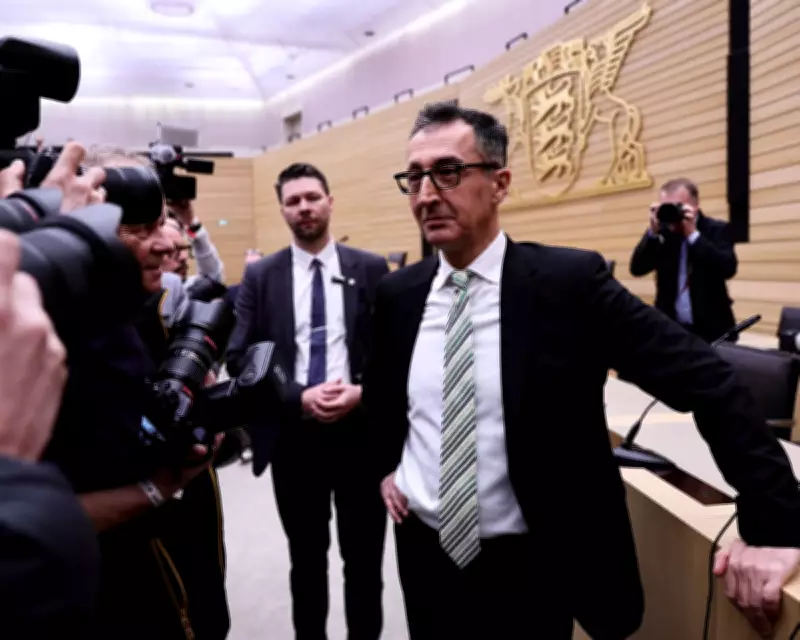
Friedrich Merz, a prominent leader within Germany's Christian Democratic Union (CDU) and a significant voice in European centre-right politics, has been confronted with urgent calls to embrace more ambitious green policies. This wake-up call comes at a time when environmental concerns, such as climate change and sustainability, are dominating public discourse and policy agendas across Europe. Merz's response, or lack thereof, is seen as a litmus test for the political centre's ability to adapt to these new realities.
Europe's Political Centre Loses Its Way
The situation with Merz is emblematic of a broader trend where Europe's political centre appears to be losing its direction. Historically, centrist parties have positioned themselves as pragmatic and moderate, but they now face mounting pressure from both the left and right on issues like green transformation. This has led to a sense of drift, as these parties struggle to formulate coherent and compelling responses to environmental challenges without alienating their traditional voter bases.

Analysts point out that the political centre's hesitation on green policies risks ceding ground to more radical factions. For instance, left-wing groups advocate for aggressive climate action, while right-wing populists often dismiss environmental concerns as elitist or economically damaging. In this polarized environment, figures like Friedrich Merz must navigate a delicate balance, but recent events suggest that the centre is faltering in this task.
Implications for European Politics
The green wake-up call for Friedrich Merz has significant implications for the future of European politics. If the political centre fails to articulate a clear and effective environmental agenda, it could further erode its relevance and influence. This could lead to increased fragmentation within European institutions, making it harder to achieve consensus on critical issues like energy transition, biodiversity protection, and carbon reduction targets.
Moreover, the situation highlights the need for a renewed vision within centrist politics. Rather than merely reacting to external pressures, leaders like Merz must proactively champion green initiatives that align with broader economic and social goals. This requires not only policy innovation but also effective communication to build public support and counter misinformation from opposing camps.
Looking Ahead: A Path Forward for the Centre
To regain its footing, Europe's political centre must embrace the green wake-up call as an opportunity for renewal. This involves developing comprehensive strategies that integrate environmental sustainability with economic growth and social equity. For Friedrich Merz and his peers, this means moving beyond incremental changes and advocating for bold, transformative policies that can address the scale of the climate crisis.
In conclusion, the green wake-up call for Friedrich Merz serves as a stark reminder of the challenges facing Europe's political centre. As environmental issues continue to rise in importance, centrist forces must find a way to lead rather than lag, or risk being sidelined in the evolving political landscape. The coming months will be crucial in determining whether they can rise to this challenge and chart a new course forward.