Greenland's Fishermen Face Unpredictable Seas as Climate Change Intensifies
Greenland's fishermen are confronting severe challenges as climate change drives warming weather, making sea ice unreliable and fish movements harder to predict. This crisis threatens the semiautonomous territory's economy, which relies heavily on fishing for up to 95% of its exports.
Unreliable Ice and Shifting Fish Patterns
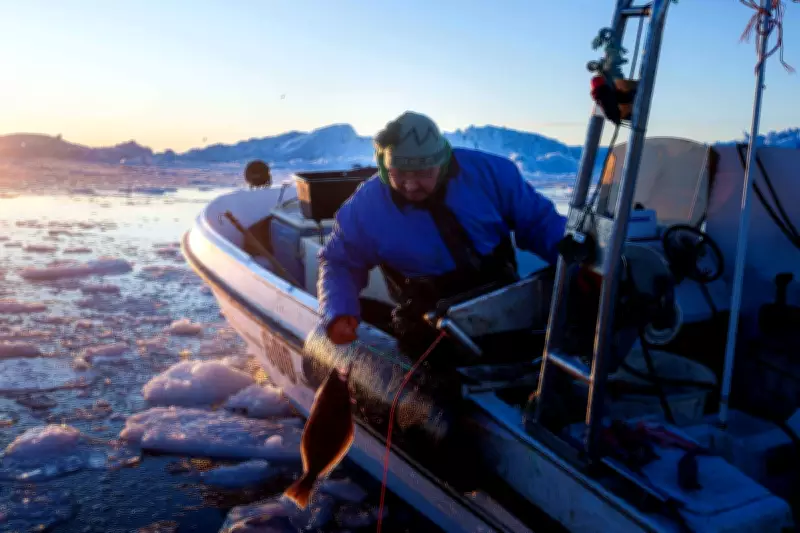
Fisherman Helgi Áargil exemplifies the struggle, spending days on his boat with unpredictable outcomes. Last year, his vessel got stuck in broken glacier ice; this year, conditions have been unusually wet. His income fluctuates wildly, from around 100,000 Danish kroner (approximately $15,700) per outing to nothing at all.
The Arctic is warming faster than any other region globally, fueled by the burning of fossil fuels like oil, gas, and coal. This rapid change disrupts traditional fishing methods, with sea ice that once supported ice fishermen starting to disappear around 1997, according to Karl Sandgreen of the Icefjord Center in Ilulissat.

Economic and Environmental Pressures
Fishing shapes Greenland's communities, with harbors at the heart of every town. However, the shift from ice-based to boat fishing brings extra costs and pollution, accelerating warming. Toke Binzer, CEO of Royal Greenland, the island's largest employer, expresses concern over diminished sea ice pushing traditional fishermen toward commercial operations.
Boris Worm, a marine biodiversity expert at Dalhousie University, warns that increased boat fishing could lead to overfishing. Already, signs like smaller halibut near shore indicate overfishing, as larger fish are caught and younger ones remain. Warmer weather may boost fish stocks by increasing nutrients from rain and melting ice, but fish behavior becomes less predictable, potentially seeking new food sources as algae under sea ice declines.
Limited Alternatives and Cultural Impact
Beyond fishing, options are scarce in Greenland. Tourism is growing but not yet significant economically. Tradition is at risk, with dog sledders confined to land without sea ice. Ken Jakobsen, manager at Royal Greenland's Nuuk factory, emphasizes fishing's importance, noting over 1,000 boats in the capital's harbor during summer in a territory of just over 50,000 people.
Áargil highlights another issue: warm weather drives fish deeper for colder waters, making them harder to catch. "It's too warm," he said, "I don't know where the fish is going, but there's not so much." This unpredictability poses a "huge" problem, as Binzer notes, with fishermen facing conditions where there is sometimes "too much ice to sail, too little to go out on."
Future Uncertainties and Global Context
While former U.S. President Donald Trump's interest in owning Greenland has shifted, the world's inability to slow climate change leaves fishermen vulnerable. Royal Greenland supports fishermen with loans for boats, repaid through catch sales, but this risks overfishing if widely adopted.
The story underscores how climate change not only threatens livelihoods but also cultural traditions in the Arctic, with far-reaching implications for global markets like China, the U.S., Japan, and Europe that depend on Greenland's exports.