Hawaii Floods Likely Diluted Pesticide Risk, But Toxic Mud Concerns Linger
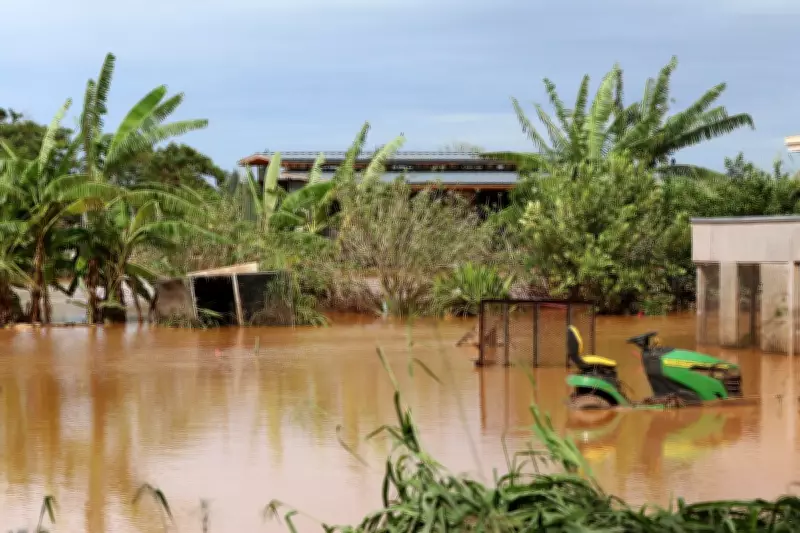
Residents on Hawaii's North Shore are grappling with extensive mud and debris following severe flooding, raising alarms about potential exposure to toxic farm chemicals from upstream agricultural operations. The deluge, part of Kona low storms that dumped approximately 2 trillion gallons of water statewide, has left communities scraping sludge from driveways and kitchens, while fears simmer over pesticide contamination in the muck.
Officials Downplay Immediate Chemical Threats
State officials have sought to reassure the public, asserting that the massive volume of floodwaters likely diluted pesticides to non-hazardous levels. Qing Li, a professor at the University of Hawai‘i’s molecular bioscience and bioengineering department, emphasized that based on current knowledge, the risk from pesticides is not terribly high. However, he noted that bacterial contamination poses a greater immediate danger, with pathogens like E. coli and salmonella detected in state sediment testing.
The Department of Health has issued contaminated water advisories for over two weeks in areas affected by flooding from late February through March. While bacteria results are consistent with regional expectations, the state awaits tests for 22 legacy pesticides, including banned chemicals like DDT, with results anticipated within two weeks.

Organic Farming Certification at Risk
The flooding has devastated North Shore farms, destroying crops and machinery, and threatening the organic certification of small-scale operations. Christian Zuckerman, vice president of the Hawaiʻi Farmers Union, explained that buffer zones designed to protect organic farms from pesticide drift may have failed under extreme conditions. Organic farmers could face a three-year wait to regain certification after clearing their land.
The University of Hawaiʻi College of Tropical Agriculture and Human Resilience is offering three months of free soil testing to help farmers assess contamination from nutrients, disease, and pesticide residues. Parwinder Grewal, the college's agriculture dean, acknowledged that pesticides are a definite concern in any disaster scenario.
Regulatory Battles Intensify Community Anxiety
Resident anxiety is compounded by recent legislative failures. State lawmakers killed several bills aimed at strengthening restrictions on pesticide use, even as the federal government moves to protect agrochemical companies from state rules and lawsuits. State Rep. Amy Perruso, representing Wahiawā and Waialua, highlighted particular concern over chemicals from upstream industrial agriculture washing onto land as sludge.
Advocacy groups point to significant pesticide use in the region. The Safe Farms Safe Food coalition reported over 400,000 pounds of carcinogenic fumigants and neurotoxic insecticides used in the Wahiawā-Waialua area from 2020 to 2022, with Dole Food Company Hawaiʻi accounting for about 300,000 pounds on pineapple lands. A bill to ban the fumigant Telone, linked to cancer and respiratory issues, died despite strong public support.
Federal Farm Bill Adds to Uncertainty
At the federal level, the Farm Bill negotiations have become a flashpoint. U.S. Rep. Jill Tokuda, a member of the House Agriculture Committee, described pesticide provisions as a poison pill, with the bill proposing relaxed labeling rules and potential preemption of state lawsuits against agrochemical companies. This could impact ongoing litigation, including Bayer's $7.25 billion settlement over Roundup (glyphosate), which has been widely used in Hawaii and linked to non-Hodgkin lymphoma.
Despite official assurances of diluted risks, the North Shore community's decades-long experience with polluted runoff leaves little room for complacency. As recovery efforts continue, seminars by the North Shore Economic Vitality Partnership aim to help farmers navigate the complex path to restoring their operations and livelihoods.