What landscape could be less obviously striking than grassland? Lacking the remote, windswept beauty of moorlands, the solemn green majesty of ancient woodlands, or the thrill of our wild rocky coastlands, grasslands are humbler places. Yet they teem with complex webs of life, tiny hidden dramas, and they also have a huge capacity for CO2 storage.
John Wright, one of our best-loved nature writers, has turned his attention to what many might dismiss as ‘just a patch of grass’, with his special love for British downland at the heart of his book. Grasslands is available now from the Mail Bookshop.
In wildlife value, it is the very opposite of those bright green fields of perennial ryegrass, ‘the monocultural, fertilized dud’ which fattens livestock. All of our grasslands combined add up to 40 per cent of Britain’s landmass, carved out of the wildwood, or possibly always there, even pre-farming, maintained by huge herds of free-roaming cattle and ponies.

The Remarkable Yellow Meadow Ant
Perhaps the most distinctive features of ancient downlands are the domed anthills of the yellow meadow ant. They make perfect spongy seats for the tired walker. Yet would we sit and squish them if we knew that they have been built by ants each weighing just 2mg, carrying one grain at a time?
A hectare of downland may have as many as 240 tons of this fine-grained soil, creating micro-habitats perfect for nectar-rich wild thyme. Ants were livestock farmers long before we were, keeping ‘flocks’ of sap-sucking aphids, consuming the sweet honeydew they excreted and protecting them from predators. They even keep their aphids free of fungal infections by licking them clean.
The Loss and Value of Wildflower Grasslands
Many of our most precious wildflower grasslands have been lost, ploughed or otherwise badly damaged since the Second World War: a staggering 97 per cent, some say. The remaining few, sensitively grazed and well-dunged, are as valuable as any rainforest. And they come in such variety too, in no fewer than 37 different classifications: lowland meadow, rush pasture, floodplain grazing marsh etc, each with its own distinctive flora and fauna.
Grasses include crested dog’s tail and Yorkshire fog, with flowers such as clustered bell-flower and bird’s-foot trefoil. The red-tailed mason bee lays her eggs inside empty snail shells, sealing them with leafy mulch, and camouflages them with leaves and grass.
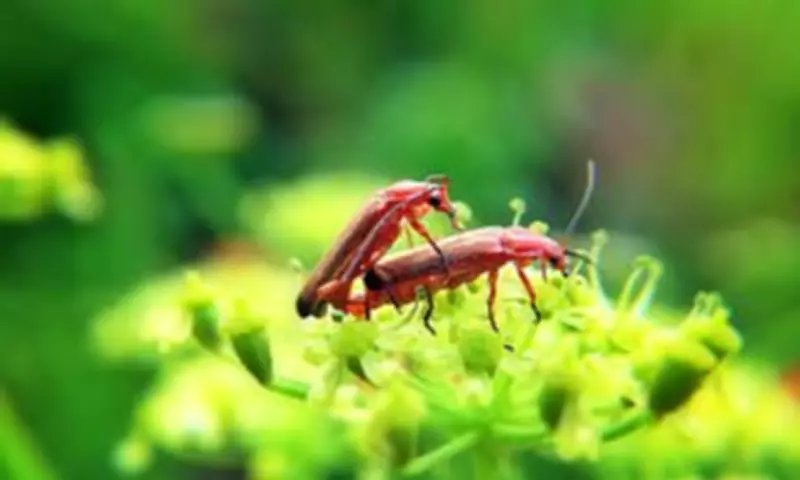
Our grasslands even support the hogweed bonking beetle. John Wright’s lovely new book is delightful from start to finish.