Environmental Catastrophe Unfolds in Iran Amid Ongoing Conflict
The war in Iran is rapidly escalating into a full-scale environmental disaster, with devastating consequences emerging from the relentless bombardment by US-Israeli forces. Since the beginning of March, thousands of bombs and missiles have targeted critical infrastructure across the country, leaving a toxic legacy that experts warn will blight the region for decades to come.
Black Rain Descends on Tehran as Symbol of Destruction
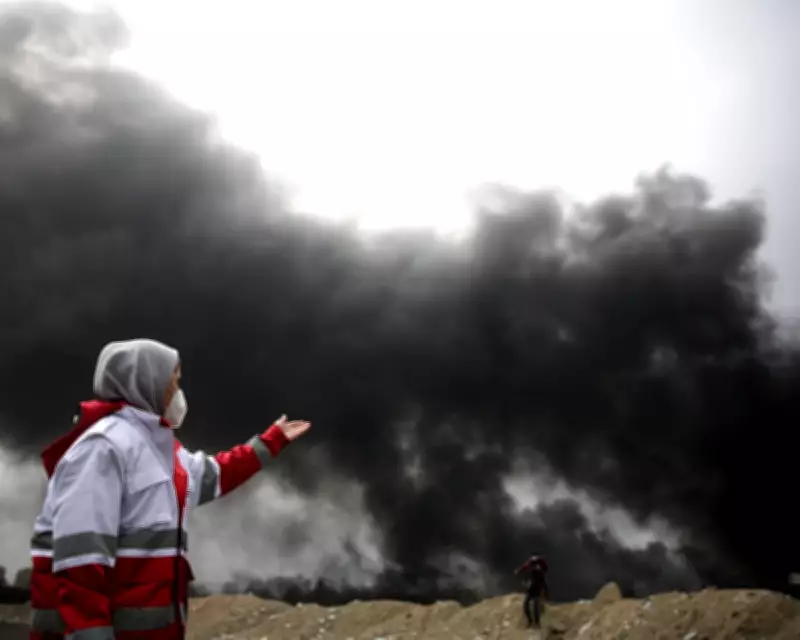
Perhaps the most striking manifestation of this ecological crisis occurred two weekends ago, when black rain fell across Tehran. This ominous phenomenon resulted directly from strikes on the Shehran oil depot and other fuel facilities in early March. When these depots were bombed, authorities urgently warned residents to remain indoors as fires released dangerous pollutants into the atmosphere.
Scientific analysis indicates that the infernos discharged substantial quantities of soot, smoke, oil particles, and sulphur compounds into the air. These contaminants dissolved within a low-pressure weather system developing over the capital before precipitating as black acid rain. This event serves as a powerful symbol of how military conflict inevitably inflicts severe collateral damage on the natural environment.

Monitoring the Mounting Environmental Harm
Environmental monitors are struggling to document the escalating damage as attacks continue unabated. Wim Zwijnenburg, a remote sensing specialist with the Dutch peace advocacy organisation Pax, has already compiled a database cataloguing more than 500 incidents of environmental harm within Iran, with an additional 100 incidents recorded outside the country's borders.
"What I'm looking at now are high-visibility impacts, like oil depot strikes and marine pollution," Zwijnenburg explained. Remote sensing technology, which analyses the Earth's surface using satellite imagery and aerial photography, has become crucial for tracking the conflict's environmental consequences amid restricted access to affected areas.
Military Targets Pose Additional Hazards
While any uncontrolled destruction causes environmental harm, attacks on military installations present particularly dangerous contamination risks. According to analysis published by the UK-based Conflict and Environment Observatory, these sites likely contain numerous hazardous substances that become dispersed during bombardment.
The probable contaminants include:
- Various fuels and oils
- Heavy metals
- Energetic compounds
- Per- and polyfluoroalkyl substances (PFAS)
Additionally, fires at these locations can release highly toxic dioxins and furans into the environment, creating persistent pollution that accumulates in ecosystems and food chains.
Information Blackout Complicates Assessment
Accurately assessing the full environmental impact remains challenging due to limited information sharing by Iranian authorities. Normally, environmental monitors would gather ground-level data from local observers and campaigners, but this channel has effectively closed in Iran's current political climate.
"Those are fairly nonexistent in Iran, because of the pushback against any environmental activism, traditionally associated with espionage," Zwijnenburg noted regarding the absence of local environmental observers.
Regional Ecological System on Knife-Edge
The conflict places the entire Gulf region in a precarious ecological position. Numerous barely protected oil and gas facilities ring the Gulf within range of Iranian missiles, while approximately one-fifth of global oil and gas supplies transit through the strategically vital Strait of Hormuz.
Should the conflict escalate to include systematic attacks on this critical fossil-fuel infrastructure, the consequences for both the local environment and global climate could prove catastrophic. Iran has consistently warned that attacks on its infrastructure would prompt retaliation in kind, creating a dangerous escalation dynamic.

The situation grew more tense on Wednesday when Israeli warplanes bombed Iran's South Pars gas field, one of the world's largest natural gas fields. This development raises serious concerns about potential retaliation and further environmental degradation as the conflict continues to evolve unpredictably.
Environmental organizations and monitoring groups continue to document the unfolding disaster, recognizing that the toxic legacy of this conflict will persist long after hostilities cease, affecting air quality, water systems, soil health, and marine environments throughout the region.